- Today
- Holidays
- Birthdays
- Reminders
- Cities
- Atlanta
- Austin
- Baltimore
- Berwyn
- Beverly Hills
- Birmingham
- Boston
- Brooklyn
- Buffalo
- Charlotte
- Chicago
- Cincinnati
- Cleveland
- Columbus
- Dallas
- Denver
- Detroit
- Fort Worth
- Houston
- Indianapolis
- Knoxville
- Las Vegas
- Los Angeles
- Louisville
- Madison
- Memphis
- Miami
- Milwaukee
- Minneapolis
- Nashville
- New Orleans
- New York
- Omaha
- Orlando
- Philadelphia
- Phoenix
- Pittsburgh
- Portland
- Raleigh
- Richmond
- Rutherford
- Sacramento
- Salt Lake City
- San Antonio
- San Diego
- San Francisco
- San Jose
- Seattle
- Tampa
- Tucson
- Washington
Florida Lawmakers Likely to Redraw Congressional Maps Before Supreme Court Ruling
DeSantis cites a Louisiana voting rights case as justification for a special session to redraw district boundaries ahead of the midterm elections.
Apr. 7, 2026 at 7:49pm
Got story updates? Submit your updates here. ›
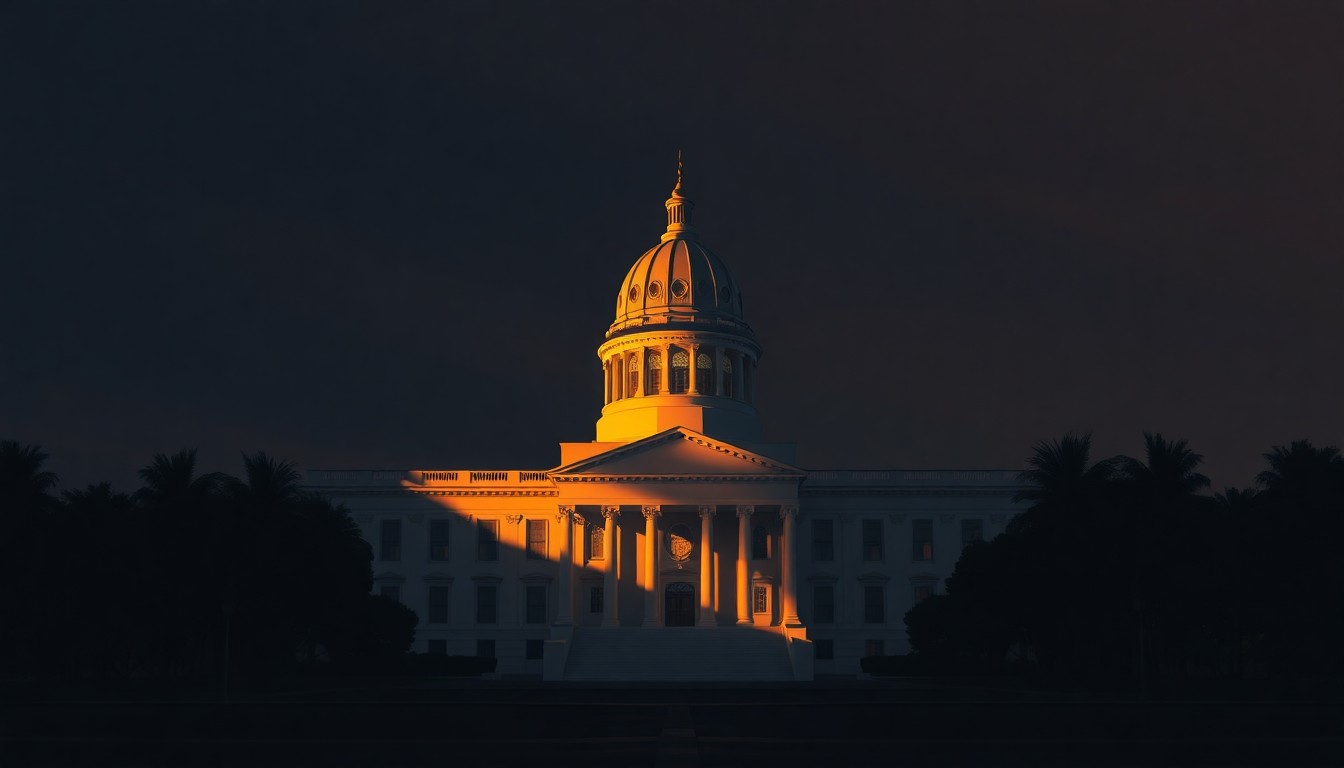 As Florida lawmakers prepare to redraw congressional district boundaries, the state capitol building stands as a symbol of the political maneuvering and legal battles that may unfold.Tallahassee Today
Florida lawmakers will return to the state capital in two weeks to redraw the state's congressional maps, even though they don't have the Supreme Court ruling that Gov. Ron DeSantis cited as the reason for the special session. DeSantis says the GOP-controlled legislature should move forward with redistricting regardless of when the court rules, claiming he knows how the Louisiana voting rights case will turn out.
Why it matters
Redrawing congressional district boundaries can have major political implications, potentially giving one party an advantage in future elections. Florida has a constitutional amendment banning gerrymandering, but the timing of this special session has raised concerns about potential partisan motives.
The details
DeSantis has ordered state lawmakers to return to Tallahassee on April 20 to redraw Florida's congressional maps, citing a Supreme Court case from Louisiana that is addressing the Voting Rights Act. However, the court has not yet issued a ruling in that case. Senate President Ben Albritton's office says he still agrees with a January memo asking senators to wait until they receive more guidance from the Supreme Court before making changes. Florida typically redraws its congressional districts once a decade after the census, but the governor wants the GOP-led legislature to act now, ahead of the 2022 midterm elections.
- The special session is scheduled to start on April 20, 2026.
- Florida typically redraws its congressional districts once a decade after the census.
The players
Ron DeSantis
The Republican governor of Florida who has ordered state lawmakers to hold a special session to redraw the state's congressional maps.
Ben Albritton
The Republican president of the Florida Senate, who has said he still agrees with a January memo asking senators to wait for more guidance from the Supreme Court before making changes to district boundaries.
Nikki Fried
The chair of the Florida Democratic Party, who has criticized the Republican efforts to redraw congressional maps as an attempt to "trick voters off the rolls" and defend the GOP's slim majority in Congress.
Susan MacManus
A political analyst who has said the timing of this special session is problematic, with so much uncertainty around the Supreme Court's upcoming ruling and potential legal challenges.
What they’re saying
“I think that's appropriate whether the decision comes before we do it or after.”
— Ron DeSantis, Governor
“Republicans nationwide have been scrambling to redraw our maps and rewrite the rules to defend their slim majority in Congress, redistricting in red states and trying to trick voters off the rolls with the SAVE Act.”
— Nikki Fried, Florida Democratic Party Chair
“The timing could not frankly be worse to have this special session.”
— Susan MacManus, Political Analyst
What’s next
The special session is scheduled to begin on April 20, 2026, when Florida lawmakers will convene to redraw the state's congressional district boundaries.
The takeaway
This special session to redraw Florida's congressional maps before the Supreme Court has ruled on a related voting rights case raises concerns about potential partisan gerrymandering, despite the state's constitutional ban. The timing and DeSantis' justification for the session have been criticized, with analysts warning of ongoing uncertainty and the potential for legal challenges.
Tallahassee top stories



Tallahassee events

Apr. 11, 2026
Hot Wheels VIP Backstage Experience - 10:45AM
Apr. 11, 2026
Hot Wheels VIP Backstage Experience - 5:45PM
Apr. 12, 2026
Hot Wheels VIP Backstage Experience - 12:45PM