- Today
- Holidays
- Birthdays
- Reminders
- Cities
- Atlanta
- Austin
- Baltimore
- Berwyn
- Beverly Hills
- Birmingham
- Boston
- Brooklyn
- Buffalo
- Charlotte
- Chicago
- Cincinnati
- Cleveland
- Columbus
- Dallas
- Denver
- Detroit
- Fort Worth
- Houston
- Indianapolis
- Knoxville
- Las Vegas
- Los Angeles
- Louisville
- Madison
- Memphis
- Miami
- Milwaukee
- Minneapolis
- Nashville
- New Orleans
- New York
- Omaha
- Orlando
- Philadelphia
- Phoenix
- Pittsburgh
- Portland
- Raleigh
- Richmond
- Rutherford
- Sacramento
- Salt Lake City
- San Antonio
- San Diego
- San Francisco
- San Jose
- Seattle
- Tampa
- Tucson
- Washington
Ponce de Leon Today
By the People, for the People
Bad Bunny's Super Bowl 2026 Halftime Show Sparks Controversy
The Puerto Rican rapper's performance raised questions about national identity and language.
Published on Feb. 10, 2026
Got story updates? Submit your updates here. ›
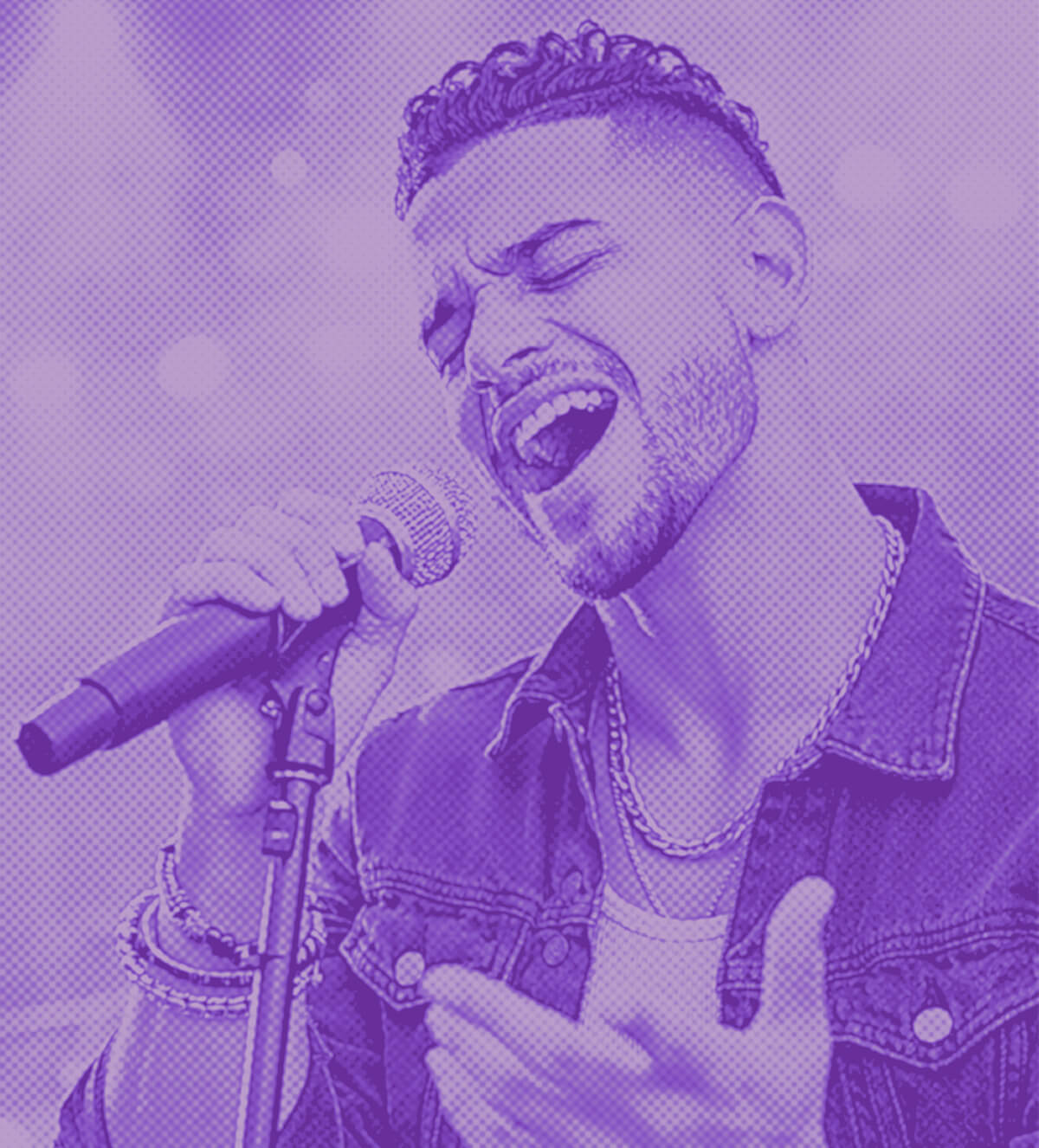
For the first time, the NFL gave its Super Bowl halftime show stage to a performer who sang primarily in a language that most Americans do not understand. Bad Bunny's performance also included comments that were seen by some as undermining America's claim to the name 'America', sparking debate about national identity and linguistic imperialism.
Why it matters
The Super Bowl halftime show is one of the most watched television events in the United States, and the NFL's decision to feature a performer who sang in Spanish and made comments about the use of the term 'America' was seen by some as a controversial move that challenged traditional American cultural norms.
The details
During his performance, Bad Bunny said 'God bless America' towards the end, but he was referring to the continents of North and South America, not just the United States. He also commented in a pre-Super Bowl press conference that 'English is not my first language. But it's OK, it's not America's first language either.' This was seen by some as a critique of the dominance of the English language and American cultural hegemony.
- Bad Bunny performed the Super Bowl 2026 halftime show on February 10, 2026.
The players
Bad Bunny
A Puerto Rican rapper who was the headliner for the Super Bowl 2026 halftime show, performing primarily in Spanish.
The NFL
The National Football League, which selected Bad Bunny to perform at the Super Bowl 2026 halftime show.
What they’re saying
“God bless America”
— Bad Bunny, Performer
“English is not my first language. But it's OK, it's not America's first language either.”
— Bad Bunny, Performer
What’s next
The NFL has not announced any plans for future Super Bowl halftime shows featuring non-English language performers.
The takeaway
Bad Bunny's Super Bowl 2026 halftime show highlighted the ongoing debate around national identity, language, and cultural representation in the United States. While the NFL's decision to feature a Spanish-language performer was seen as groundbreaking by some, it also sparked controversy and criticism from those who felt it undermined traditional American cultural norms.