- Today
- Holidays
- Birthdays
- Reminders
- Cities
- Atlanta
- Austin
- Baltimore
- Berwyn
- Beverly Hills
- Birmingham
- Boston
- Brooklyn
- Buffalo
- Charlotte
- Chicago
- Cincinnati
- Cleveland
- Columbus
- Dallas
- Denver
- Detroit
- Fort Worth
- Houston
- Indianapolis
- Knoxville
- Las Vegas
- Los Angeles
- Louisville
- Madison
- Memphis
- Miami
- Milwaukee
- Minneapolis
- Nashville
- New Orleans
- New York
- Omaha
- Orlando
- Philadelphia
- Phoenix
- Pittsburgh
- Portland
- Raleigh
- Richmond
- Rutherford
- Sacramento
- Salt Lake City
- San Antonio
- San Diego
- San Francisco
- San Jose
- Seattle
- Tampa
- Tucson
- Washington
Monticello Today
By the People, for the People
Forgotten History Reveals Centuries of U.S.-Iran Friendship
Thomas Jefferson's library and the legacy of Cyrus the Great show a long tradition of mutual respect between the two nations.
Mar. 30, 2026 at 2:57pm
Got story updates? Submit your updates here. ›
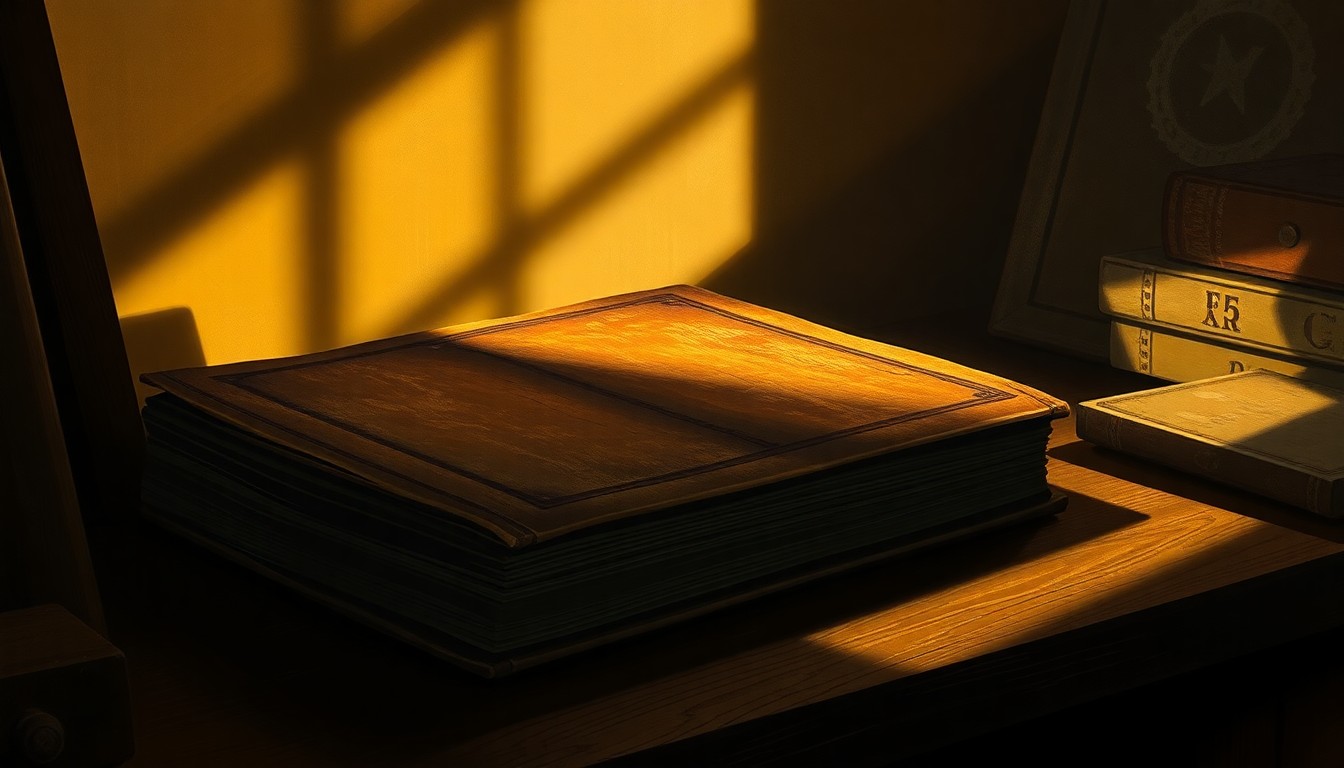 An ancient text from Thomas Jefferson's library offers a window into the forgotten history of friendship between the United States and Iran.Monticello Today
A new book explores the forgotten history of friendly relations between the United States and Iran, tracing the connection back to Thomas Jefferson's personal library and the influence of the ancient Iranian king Cyrus the Great. The article argues that the current era of hostility is the exception, not the norm, in U.S.-Iran relations, which have been marked by centuries of mutual admiration and cooperation.
Why it matters
Understanding the deep historical ties between the U.S. and Iran could help policymakers and the public move past the frozen conflicts of the past and find new avenues for diplomacy and cooperation. Reclaiming this forgotten history challenges the narrative of inherent enmity and shows that war is not the natural order of U.S.-Iranian relations.
The details
The article traces the origins of U.S.-Iranian friendship to Thomas Jefferson's personal library, where he kept a copy of the Cyropaedia, a text about the virtuous governance of the ancient Iranian king Cyrus the Great. Jefferson saw in Cyrus' Iran a model of a multi-ethnic, multi-faith society that inspired his own ideas about religious tolerance. In the 19th century, the admiration flowed the other way, as Iranian intellectuals began looking to the young American republic as an idealized power. The two nations initiated a treaty of friendship in 1850, and Iran even proposed that American-made warships should patrol the Persian Gulf. American missionaries, teachers, and financial experts also built strong ties with Iran in the late 19th and early 20th centuries. This period of friendship lasted through World War II, but the 1953 coup and the Cold War shifted U.S. priorities away from Iran's democratic aspirations. Yet even as the U.S. became Iran's primary benefactor, the human connections continued, with thousands of Americans and Iranians participating in study-abroad programs and cultural exchanges in the 1960s and 1970s.
- In the 6th century B.C., Cyrus the Great was the Iranian king depicted in the Old Testament as the liberator of Babylon who enabled the rebuilding of the Jewish temple in Jerusalem.
- In the 4th century B.C., Xenophon wrote the Cyropaedia, a text that served as a manual on governing with virtue, which Thomas Jefferson kept in his personal library at Monticello.
- In 1850, the U.S. and Iran initiated their first treaty of friendship.
- In the early 20th century, American missionaries, teachers, and financial experts built strong ties with Iran.
- In the 1960s and 1970s, thousands of Americans and Iranians participated in study-abroad programs and cultural exchanges between the two countries.
The players
Thomas Jefferson
The third U.S. president, who kept a copy of the Cyropaedia in his personal library at Monticello and was inspired by the ancient Iranian king Cyrus the Great's model of virtuous governance.
Cyrus the Great
The 6th century B.C. Iranian king who was depicted in the Old Testament as the liberator of Babylon and who enabled the rebuilding of the Jewish temple in Jerusalem.
Xenophon
A 4th century B.C. Greek historian who wrote the Cyropaedia, a text that served as a manual on governing with virtue and that was kept in Thomas Jefferson's personal library.
Samuel Jordan
An American missionary who spent 40 years living in Iran, building schools and hospitals and earning the lasting respect of Iranians.
Howard Baskerville
A young American teacher who died fighting alongside Iranian democracy advocates in 1906, becoming a symbol of shared sacrifice between Iranians and Americans.
What they’re saying
“When we view the current U.S.-Iranian conflict we run the risk of forgetting nearly two centuries of friendship and mutual admiration. This history is not merely a footnote, it is the foundation of a relationship that has lasted far longer than the current era of hostility.”
— Afshin Marashi, Author
The takeaway
By reclaiming the forgotten history of U.S.-Iranian friendship, policymakers and the public can move past the frozen conflicts of the past and find new avenues for diplomacy and cooperation, challenging the narrative of inherent enmity and recognizing that war is not the natural order of relations between the two nations.