- Today
- Holidays
- Birthdays
- Reminders
- Cities
- Atlanta
- Austin
- Baltimore
- Berwyn
- Beverly Hills
- Birmingham
- Boston
- Brooklyn
- Buffalo
- Charlotte
- Chicago
- Cincinnati
- Cleveland
- Columbus
- Dallas
- Denver
- Detroit
- Fort Worth
- Houston
- Indianapolis
- Knoxville
- Las Vegas
- Los Angeles
- Louisville
- Madison
- Memphis
- Miami
- Milwaukee
- Minneapolis
- Nashville
- New Orleans
- New York
- Omaha
- Orlando
- Philadelphia
- Phoenix
- Pittsburgh
- Portland
- Raleigh
- Richmond
- Rutherford
- Sacramento
- Salt Lake City
- San Antonio
- San Diego
- San Francisco
- San Jose
- Seattle
- Tampa
- Tucson
- Washington
Corneal Sensation Testing Key to Treating Neurotrophic Keratitis
Ophthalmologists urged to incorporate sensory testing to guide targeted therapies for degenerative corneal disease
Apr. 19, 2026 at 2:11pm
Got story updates? Submit your updates here. ›
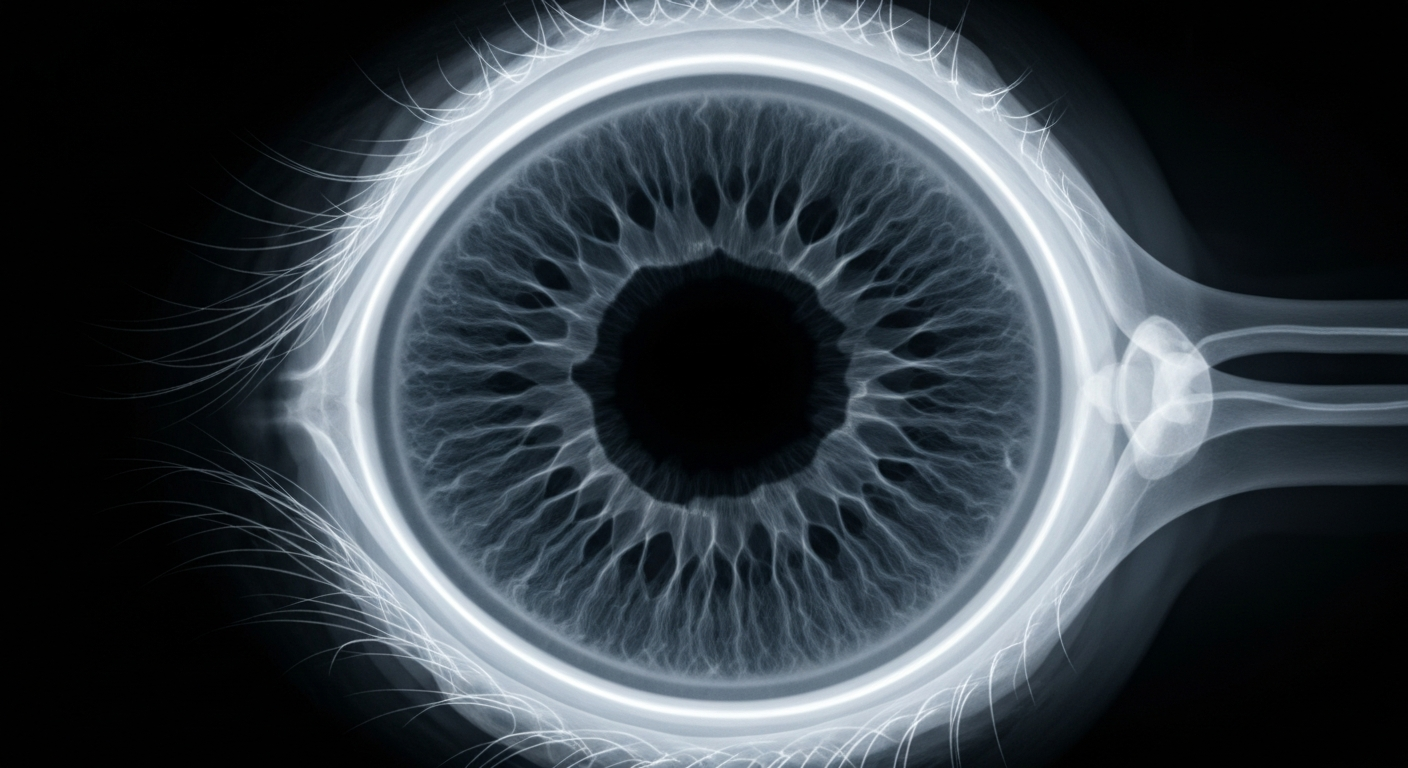 An X-ray view of the eye's delicate corneal nerves, which can be damaged in neurotrophic keratitis, underscoring the importance of sensory testing to guide treatment.Today in Miami
Physicians should routinely test corneal sensation to better understand nerve health and guide treatment for neurotrophic keratitis, a degenerative corneal disease caused by damage to the trigeminal nerve, according to Nandini Venkateswaran, MD, of Sunshine Eye & Retina. Evaluating corneal sensation is foundational to staging the disease and selecting appropriate therapies, from topical lubricants to surgical interventions.
Why it matters
Early detection through sensory testing allows clinicians to assess the severity of nerve damage and tailor interventions before irreversible corneal damage occurs. Underdiagnosis remains a challenge, as patients may present with mild symptoms despite significant nerve impairment, so objective testing provides a quantifiable metric to track disease progression and treatment efficacy.
The details
Neurotrophic keratitis impairs corneal sensation and disrupts the eye's natural healing processes. Without adequate nerve signaling, the cornea becomes vulnerable to breakdown, ulceration, and vision loss. Current treatment strategies include topical lubricants, autologous serum eye drops, and medications such as cenegermin-bkbj, a recombinant human nerve growth factor. For advanced cases, surgical options like tarsorrhaphy, amniotic membrane transplantation, or corneal neurotization may be considered to restore corneal integrity and sensation.
- The symposium was held on April 19, 2026 in Miami, Florida.
The players
Nandini Venkateswaran, MD
An ophthalmologist at Sunshine Eye & Retina who presented at the symposium on emerging therapies for neurotrophic keratitis.
Sunshine Eye & Retina
The medical practice that hosted the symposium on neurotrophic keratitis.
What they’re saying
“We have so many therapies we can now implement in our practices to treat these conditions, ranging from medical therapies to surgical interventions.”
— Nandini Venkateswaran, MD, Ophthalmologist
What’s next
Ongoing research explores corneal confocal microscopy and tear biomarkers as complementary methods to evaluate nerve density and regeneration, though these are not yet standard in clinical practice.
The takeaway
As awareness grows and targeted therapies expand, early identification of neurotrophic keratitis through routine corneal sensation testing may play an increasingly important role in preventing vision loss and improving long-term outcomes for patients.
Miami top stories



Miami events

Apr. 24, 2026
Friday Night Live - Improv Comedy Miami Show
Apr. 24, 2026
Que Pasa Improv - Improv en español
Apr. 24, 2026
Matute - Disco Stereo Tour