- Today
- Holidays
- Birthdays
- Reminders
- Cities
- Atlanta
- Austin
- Baltimore
- Berwyn
- Beverly Hills
- Birmingham
- Boston
- Brooklyn
- Buffalo
- Charlotte
- Chicago
- Cincinnati
- Cleveland
- Columbus
- Dallas
- Denver
- Detroit
- Fort Worth
- Houston
- Indianapolis
- Knoxville
- Las Vegas
- Los Angeles
- Louisville
- Madison
- Memphis
- Miami
- Milwaukee
- Minneapolis
- Nashville
- New Orleans
- New York
- Omaha
- Orlando
- Philadelphia
- Phoenix
- Pittsburgh
- Portland
- Raleigh
- Richmond
- Rutherford
- Sacramento
- Salt Lake City
- San Antonio
- San Diego
- San Francisco
- San Jose
- Seattle
- Tampa
- Tucson
- Washington
Trump Weighs Options on Cuba, From Economic Deal to Military Action
The president's choices on Cuba policy are politically fraught, with each path carrying significant risks and consequences.
Apr. 18, 2026 at 5:25pm
Got story updates? Submit your updates here. ›
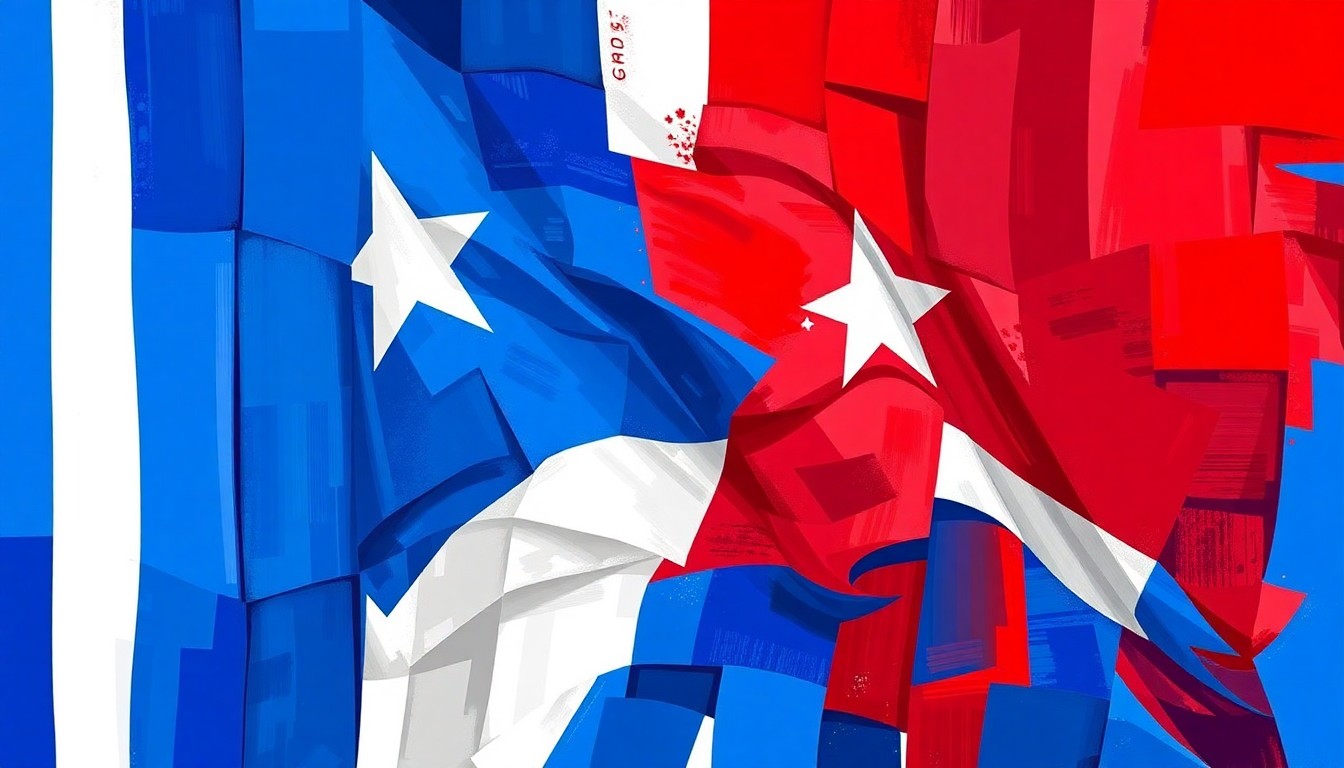 As tensions escalate over the future of Cuba, the island nation's flag appears to fracture and distort, reflecting the political uncertainty and instability surrounding its relationship with the United States.Today in Miami
President Donald Trump is considering various options for dealing with Cuba, including pursuing an economic agreement, pushing for regime change, or even a potential military intervention. However, each path is fraught with political landmines, from angering Cuban-American lawmakers to risking a costly nation-building mission. As the administration focuses on resolving the conflict in Iran, Cuba remains a priority, though the president's next steps remain uncertain.
Why it matters
Trump's Cuba policy will have lasting reverberations, both in Cuba and the United States. An economic deal could anger Cuban-American lawmakers, while military action could saddle the U.S. with an unpopular occupation. Inaction risks disappointing the Cuban-American voting bloc that had pinned its hopes on Trump-led change. The president's decision will shape U.S.-Cuba relations for years to come.
The details
The Trump administration is weighing several options for Cuba, each with its own challenges. An economic-focused agreement could involve deals on ports, energy and tourism, potentially allowing the Castro family to remain in power, which would be a red line for many Cuban-Americans. Pushing for regime change without military action would be difficult, as the administration seeks to force significant political and economic changes in Cuba. A military intervention, while potentially an easy victory for the U.S., would also bring the challenge of nation-building in a country with deteriorated infrastructure. Doing nothing and continuing to apply pressure through the oil embargo is another option, but risks angering the powerful Cuban-American voting bloc.
- On April 15, Pentagon planning for a possible military operation in Cuba quietly ramped up.
- On April 17, a U.S. Navy surveillance drone was tracked making a six-hour loop along Cuba's south coast, including holding patterns near Santiago de Cuba and Havana.
The players
Donald Trump
The President of the United States who is considering various options for dealing with Cuba.
Marco Rubio
The U.S. Secretary of State who has been dispatched by Trump to negotiate with Cuban officials.
Miguel Díaz-Canel
The President of Cuba who has said the country is open to dialogue and economic deals with the U.S., as long as they are allowed to govern as they please.
Josefina Vidal
The Cuban deputy foreign minister who has also expressed openness to dialogue and economic deals with the U.S.
Carlos Giménez
A Cuban-born Republican Congressman from Florida whose district includes the Miami suburbs, and who has said it would be unacceptable for anyone related to the Castros to lead Cuba.
What they’re saying
“Now, watch what happens.”
— Donald Trump, President of the United States
“We're not going to do any business with the Castros. They need to go and then we need to start all over again.”
— Maria Salazar, Cuban-American Congresswoman representing Miami
“It's a domestic political issue that seems to have very little upside for anyone involved.”
— Michael Bustamante, Cuban and Cuban-American Studies expert at the University of Miami
What’s next
The judge in the case will decide on Tuesday whether or not to allow Walker Reed Quinn out on bail.
The takeaway
Trump's Cuba policy options, from an economic deal to military intervention, all carry significant political risks and consequences. The president's decision will shape U.S.-Cuba relations for years to come, with implications for the powerful Cuban-American voting bloc and the potential for a costly nation-building mission.
Miami top stories


Miami events

Apr. 18, 2026
IMPROUD: An improv show celebrating the LGBTQ+ community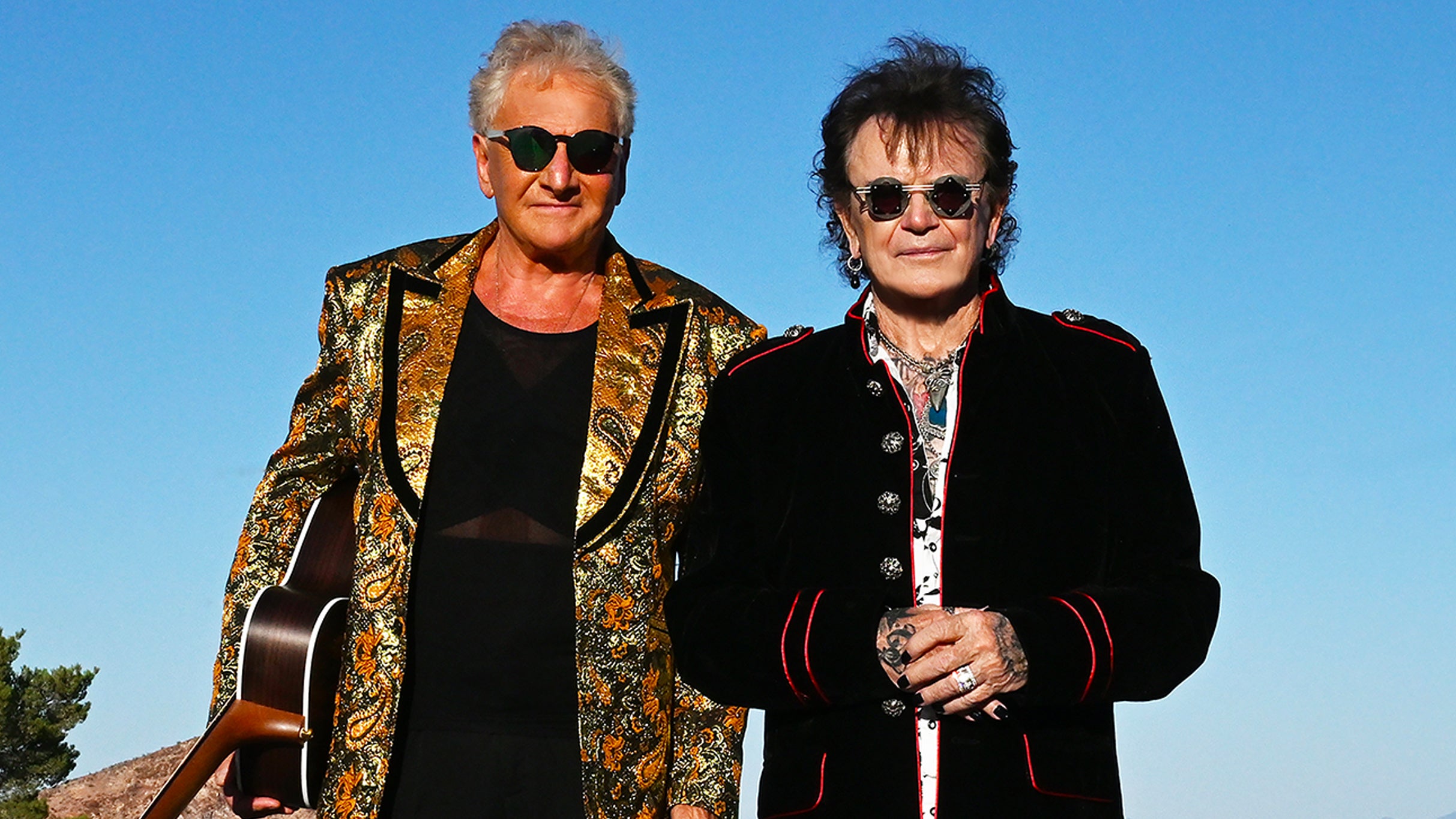
Apr. 18, 2026
Air Supply
Apr. 24, 2026
Friday Night Live - Improv Comedy Miami Show