- Today
- Holidays
- Birthdays
- Reminders
- Cities
- Atlanta
- Austin
- Baltimore
- Berwyn
- Beverly Hills
- Birmingham
- Boston
- Brooklyn
- Buffalo
- Charlotte
- Chicago
- Cincinnati
- Cleveland
- Columbus
- Dallas
- Denver
- Detroit
- Fort Worth
- Houston
- Indianapolis
- Knoxville
- Las Vegas
- Los Angeles
- Louisville
- Madison
- Memphis
- Miami
- Milwaukee
- Minneapolis
- Nashville
- New Orleans
- New York
- Omaha
- Orlando
- Philadelphia
- Phoenix
- Pittsburgh
- Portland
- Raleigh
- Richmond
- Rutherford
- Sacramento
- Salt Lake City
- San Antonio
- San Diego
- San Francisco
- San Jose
- Seattle
- Tampa
- Tucson
- Washington
Samsung's Galaxy S26 Ultra Flickers: Accessibility Flaw Exposes Display Tech Gaps
The flagship phone's low PWM rate raises concerns about eye strain and migraines for sensitive users.
Apr. 13, 2026 at 8:43am
Got story updates? Submit your updates here. ›
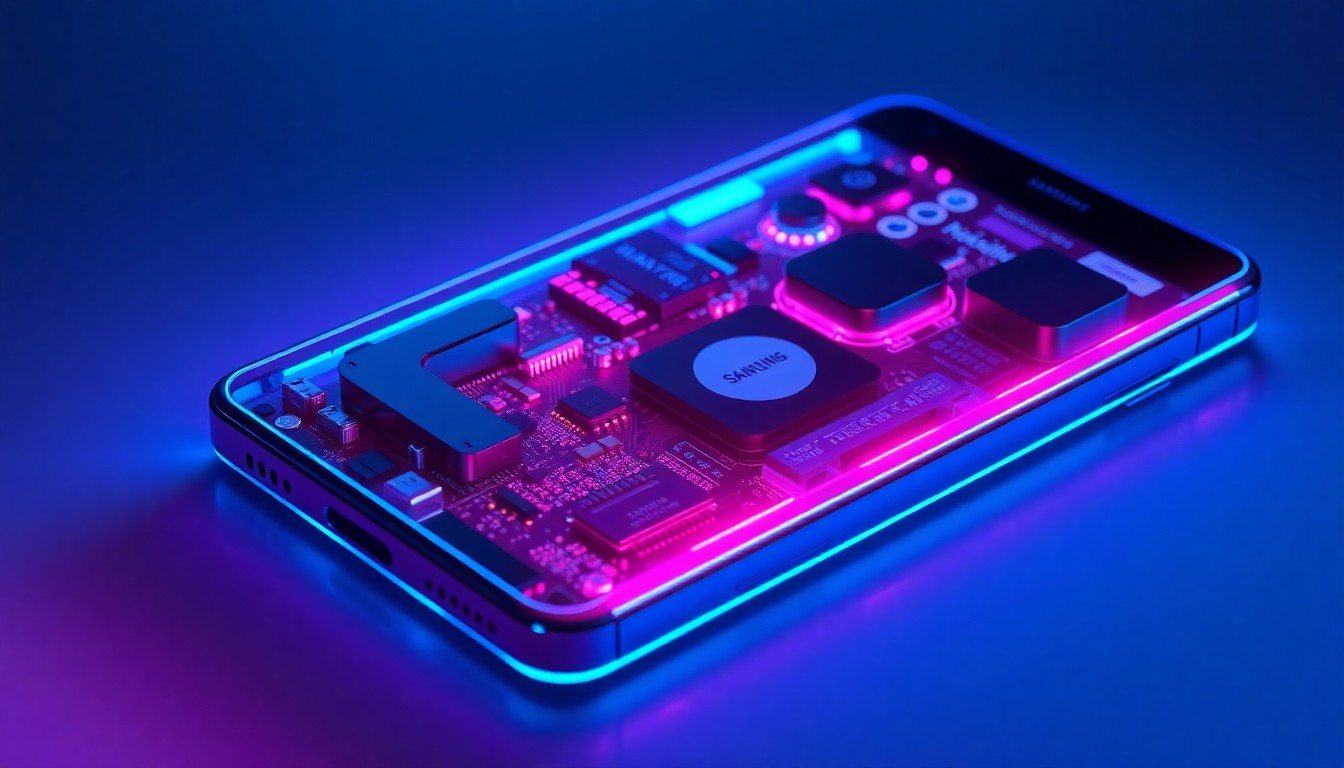 The flickering display of the Samsung Galaxy S26 Ultra highlights the need for better accessibility and transparency around eye-care features in flagship smartphones.Today in Miami
The launch of Samsung's Galaxy S26 Ultra has sparked a debate about display technology and accessibility. While the phone's innovative Privacy Display feature is praised, it also highlights a glaring omission - the lack of eye-care features to address display flickering, a problem that has been solved by cheaper Android devices for years.
Why it matters
Pulse Width Modulation (PWM) dimming, a common method to control display brightness, can cause discomfort and even migraines for some users. Lower PWM frequencies are associated with eyestrain, headaches, and nausea, and this issue is exacerbated at lower brightness levels. As the world's largest Android smartphone company, Samsung's oversight on this accessibility issue is a major concern for many users.
The details
Samsung could have easily implemented higher PWM frequencies, as demonstrated by brands like HONOR and OPPO. Even budget smartphones offer higher PWM rates, yet the S26 series lags behind with a low 480Hz rate. Samsung could have also adopted DC-like dimming or introduced software features to reduce flickering, as seen in devices like the Xiaomi 15 series and the OnePlus 13.
- The Galaxy S26 Ultra was launched in April 2026.
The players
Samsung
The South Korean multinational conglomerate and the world's largest Android smartphone company.
HONOR
A Chinese consumer electronics company that has implemented higher PWM frequencies in its smartphones.
OPPO
A Chinese consumer electronics company that has also implemented higher PWM frequencies in its smartphones.
Xiaomi
A Chinese consumer electronics company that has introduced software features to reduce display flickering in its smartphones.
OnePlus
A Chinese consumer electronics company that has also introduced software features to reduce display flickering in its smartphones.
What they’re saying
“Display accessibility is not a niche concern. Photophobia, or sensitivity to light, affects a significant portion of the global population, especially those with migraines.”
— Megan Ellis, Chronic migraine sufferer
What’s next
While Samsung has yet to address this issue, there is hope. The awareness and advocacy around display accessibility are growing, and brands like Xiaomi and OnePlus have taken steps to improve their devices. Samsung could follow suit and prioritize accessibility and transparency, ensuring that its devices cater to a wider range of users.
The takeaway
This case highlights the need for smartphone manufacturers to prioritize display accessibility and transparency, ensuring that their flagship devices cater to the needs of all users, including those with light sensitivity and other visual impairments.
Miami top stories


Miami events

Apr. 15, 2026
Whiplash In Concert
Apr. 16, 2026
Improv Acting 1 - Improv Scenework
Apr. 17, 2026
Friday Night Live - Improv Comedy Miami Show