- Today
- Holidays
- Birthdays
- Reminders
- Cities
- Atlanta
- Austin
- Baltimore
- Berwyn
- Beverly Hills
- Birmingham
- Boston
- Brooklyn
- Buffalo
- Charlotte
- Chicago
- Cincinnati
- Cleveland
- Columbus
- Dallas
- Denver
- Detroit
- Fort Worth
- Houston
- Indianapolis
- Knoxville
- Las Vegas
- Los Angeles
- Louisville
- Madison
- Memphis
- Miami
- Milwaukee
- Minneapolis
- Nashville
- New Orleans
- New York
- Omaha
- Orlando
- Philadelphia
- Phoenix
- Pittsburgh
- Portland
- Raleigh
- Richmond
- Rutherford
- Sacramento
- Salt Lake City
- San Antonio
- San Diego
- San Francisco
- San Jose
- Seattle
- Tampa
- Tucson
- Washington
F1 Delays Major 2026 Rule Changes: What This Means for Miami GP
The Art of Patience in Formula 1: Why Rushing Rule Changes Could Be a Costly Mistake
Apr. 13, 2026 at 2:58am
Got story updates? Submit your updates here. ›
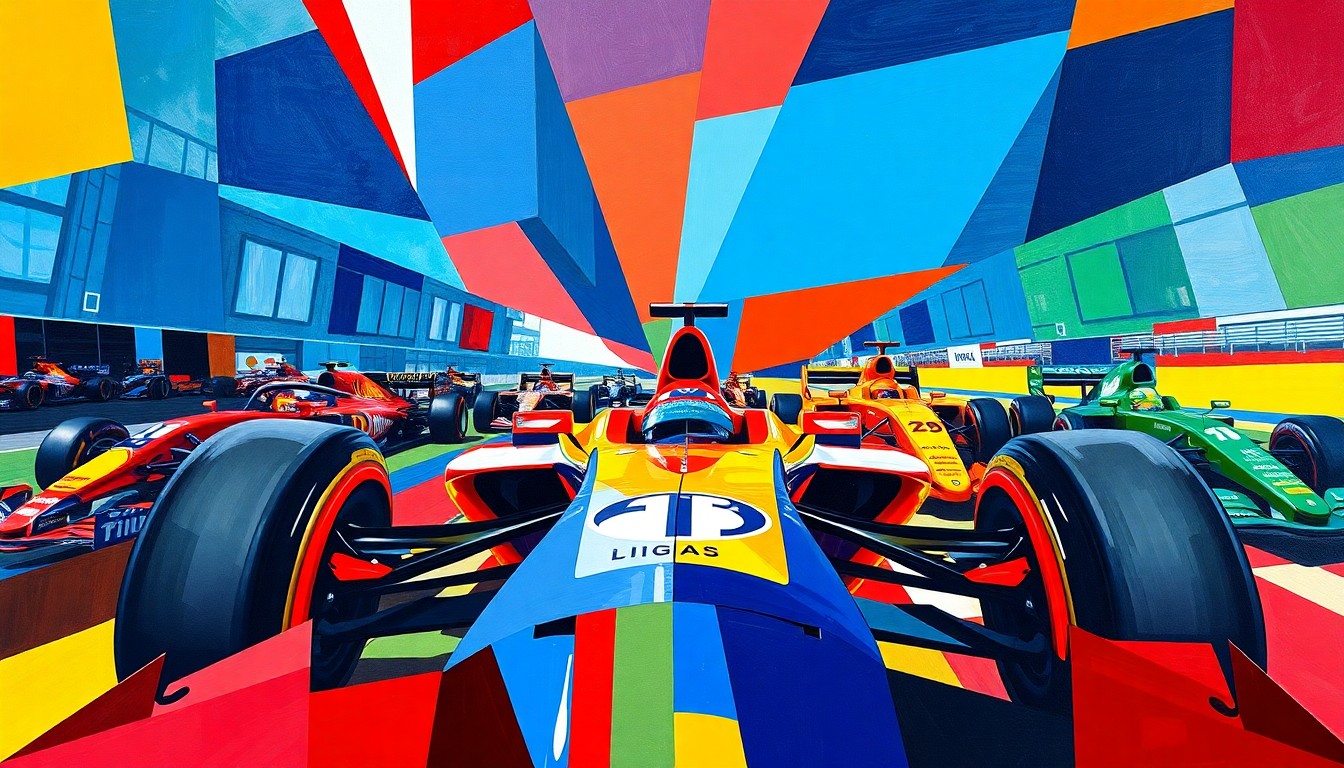 F1's decision to delay major rule changes until 2026 reflects a more thoughtful approach to governance, prioritizing long-term stability over knee-jerk reactions.Today in Miami
Formula 1 has decided to delay major rule changes until at least the Miami Grand Prix, a move that reflects a more thoughtful and deliberate approach to governance within the sport. The decision comes after the Chinese Grand Prix, where thrilling races challenged early perceptions about the 2026 regulations. This contrast highlights F1's tendency to judge new rules based on a single race, often on a track that doesn't represent the norm. The delay is seen as a strategic restraint that prioritizes long-term stability over knee-jerk fixes, a shift that could have far-reaching implications for the sport's future.
Why it matters
F1's history is littered with examples of hasty rule tweaks that created more problems than they solved. The decision to delay changes suggests the sport is finally learning to value patience over panic, a shift that could mark the beginning of a new era in F1 governance, one that prioritizes data, deliberation, and consensus over impulsivity. This approach could have ripple effects across other areas of the sport, from cost cap regulations to sustainability initiatives.
The details
After the Australian GP, the 2026 regulations were under fire, with drivers and fans voicing concerns about energy-starved cars and a lackluster spectacle. But the Chinese Grand Prix delivered a completely different picture, with thrilling races in both the sprint and the main event. This highlights a broader issue in F1: the tendency to judge new rules based on a single race, often on a track that doesn't represent the norm. Haas boss Ayao Komatsu's comment in China resonates deeply: 'If you're going to change something, we should change it once and then get it right.' The stark contrast in opinions between Max Verstappen and Lewis Hamilton also reflects the broader debate in F1: should the sport prioritize the spectacle of close racing or the purity of driver skill?
- The decision to delay major rule changes was made after the Chinese Grand Prix in 2026.
- The plan is to evaluate the regulations after the Japanese Grand Prix and implement changes by the Miami Grand Prix.
The players
Max Verstappen
The reigning Formula 1 champion who remains a vocal critic of the 2026 regulations.
Lewis Hamilton
A veteran Formula 1 driver who has been won over by the current racing, calling it 'the best I've ever experienced in Formula 1.'
Ayao Komatsu
The Haas boss who commented that 'If you're going to change something, we should change it once and then get it right.'
What they’re saying
“If you're going to change something, we should change it once and then get it right.”
— Ayao Komatsu, Haas boss
What’s next
The plan is to evaluate the regulations after the Japanese Grand Prix and implement changes by the Miami Grand Prix.
The takeaway
This decision to delay major rule changes reflects a maturing mindset within F1's leadership, one that prioritizes long-term stability over knee-jerk fixes. This shift could mark the beginning of a new era in F1 governance, one that values data, deliberation, and consensus over impulsivity, with potential ripple effects across other areas of the sport.
Miami top stories

Miami events
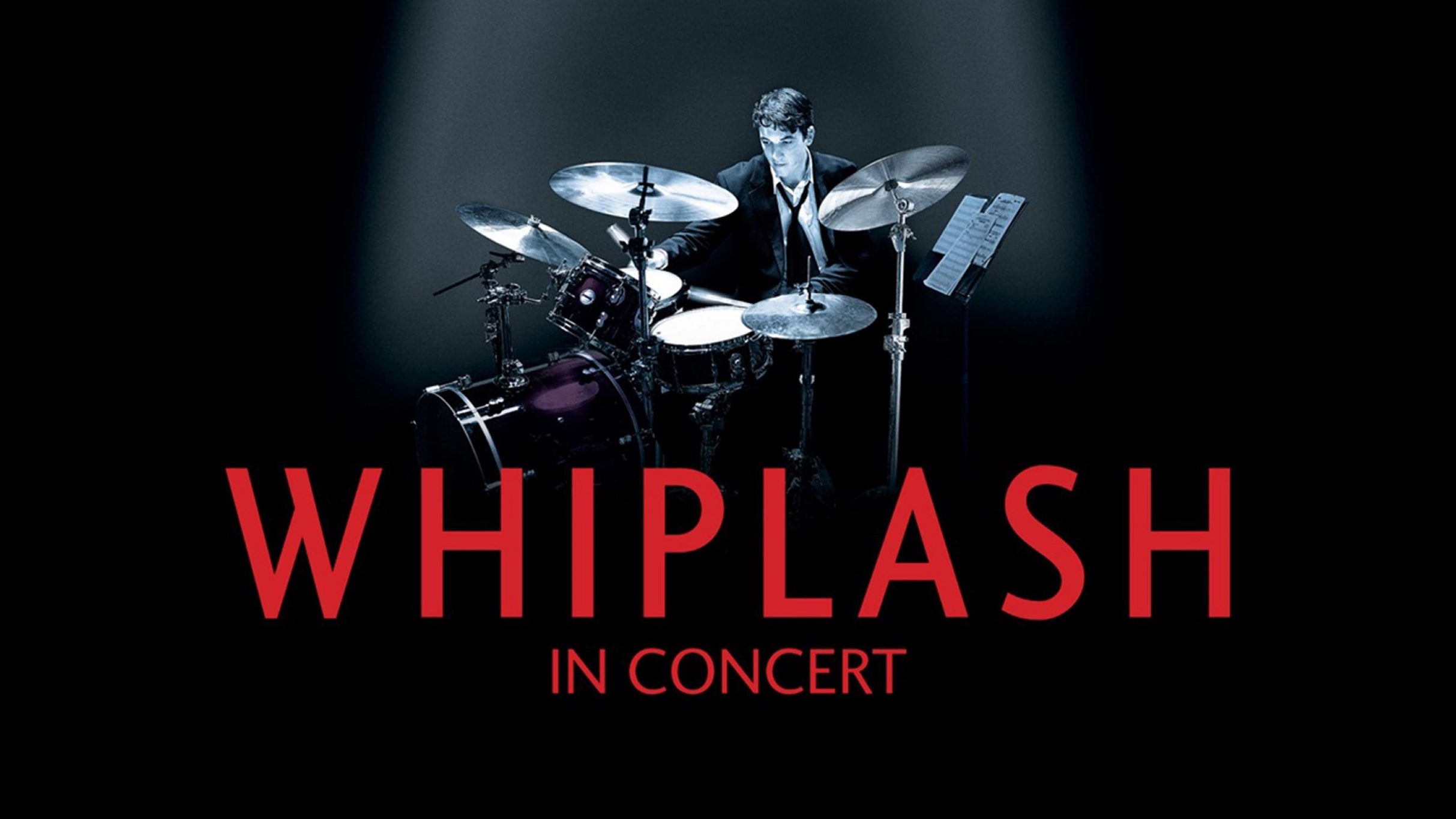
Apr. 15, 2026
Whiplash In Concert
Apr. 16, 2026
Improv Acting 1 - Improv Scenework
Apr. 17, 2026
Friday Night Live - Improv Comedy Miami Show