- Today
- Holidays
- Birthdays
- Reminders
- Cities
- Atlanta
- Austin
- Baltimore
- Berwyn
- Beverly Hills
- Birmingham
- Boston
- Brooklyn
- Buffalo
- Charlotte
- Chicago
- Cincinnati
- Cleveland
- Columbus
- Dallas
- Denver
- Detroit
- Fort Worth
- Houston
- Indianapolis
- Knoxville
- Las Vegas
- Los Angeles
- Louisville
- Madison
- Memphis
- Miami
- Milwaukee
- Minneapolis
- Nashville
- New Orleans
- New York
- Omaha
- Orlando
- Philadelphia
- Phoenix
- Pittsburgh
- Portland
- Raleigh
- Richmond
- Rutherford
- Sacramento
- Salt Lake City
- San Antonio
- San Diego
- San Francisco
- San Jose
- Seattle
- Tampa
- Tucson
- Washington
F1 Cancels Bahrain and Saudi Arabia Races Amid Iran Conflict
Geopolitical tensions force Formula 1 to rethink its Middle East expansion plans for 2026 season.
Apr. 11, 2026 at 4:34pm
Got story updates? Submit your updates here. ›
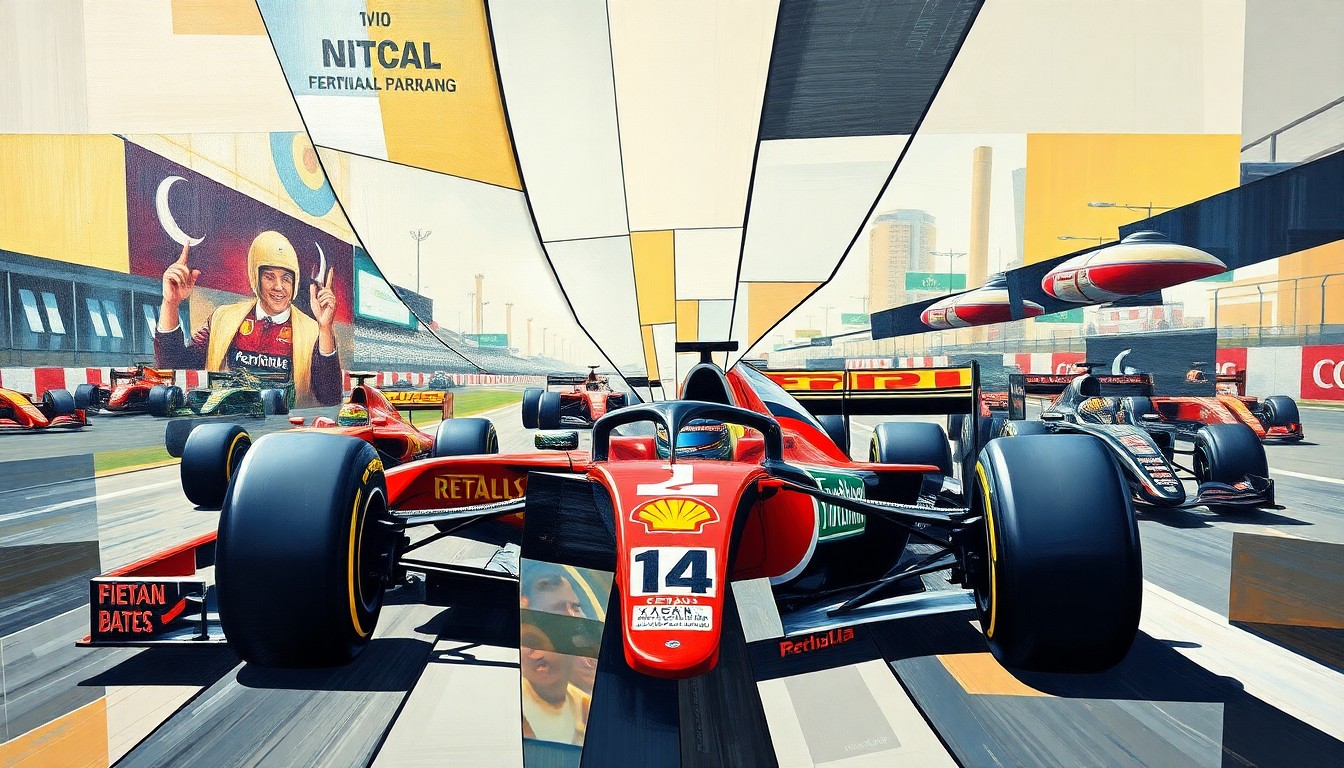 The cancellation of Formula 1's Middle East races reveals the sport's vulnerability to global instability, forcing it to navigate a complex geopolitical landscape.Today in Miami
Formula 1 has announced the likely cancellation of its Bahrain and Saudi Arabia races for the 2026 season due to the ongoing conflict with Iran. This decision, made with freight deadlines looming, reflects the sport's growing vulnerability to regional instability as it expands its global footprint. The cancellations raise questions about maintaining fairness in the championship and the risks of tying F1's identity to geopolitically volatile regions.
Why it matters
The cancellation of these high-profile races is more than just a scheduling hiccup - it's a stark reminder of how deeply global sports are intertwined with geopolitics. F1's reliance on the Middle East as a key market makes it susceptible to regional instability, forcing the sport to confront the challenges of operating in an increasingly unpredictable world.
The details
With thousands of personnel, tons of equipment, and millions in investment involved, F1 couldn't afford to wait and see if the Iran conflict would escalate. Replacing the Bahrain and Saudi Arabia races on the already packed 2026 calendar seems unlikely, raising questions about how the sport will maintain fairness in the championship. The cancellation also highlights F1's growing global ambitions and its vulnerability to tying its identity to geopolitically volatile regions.
- The cancellation decision was made with freight deadlines looming for the 2026 season.
- The five-week gap between the Japan and Miami races will be a test of F1's resilience as it navigates this geopolitical challenge.
The players
Stefano Domenicali
The CEO of Formula 1 who is leading the sport through this geopolitical crisis.
Lewis Hamilton
The seven-time Formula 1 world champion who has expressed confidence in Domenicali's leadership during this challenging time.
What they’re saying
“Leadership in times of crisis isn't about making easy decisions—it's about making the right ones.”
— Lewis Hamilton, Seven-time Formula 1 World Champion
What’s next
F1 will need to carefully consider how to replace the canceled Bahrain and Saudi Arabia races on the 2026 calendar while maintaining the integrity of the championship.
The takeaway
This cancellation is a wake-up call for global sports, forcing them to confront the reality that they can no longer operate in a vacuum when the world around them is in flux. F1's greatest challenge may now lie not on the track, but in the boardrooms and on the global stage as it navigates an increasingly unpredictable geopolitical landscape.
Miami top stories



Miami events

Apr. 11, 2026
Nu Deco Ensemble - Ages: 14+
Apr. 11, 2026
The BIG Show Improv Comedy Miami
Apr. 12, 2026
Paloma San Basilio - "Gracias Tour"