- Today
- Holidays
- Birthdays
- Reminders
- Cities
- Atlanta
- Austin
- Baltimore
- Berwyn
- Beverly Hills
- Birmingham
- Boston
- Brooklyn
- Buffalo
- Charlotte
- Chicago
- Cincinnati
- Cleveland
- Columbus
- Dallas
- Denver
- Detroit
- Fort Worth
- Houston
- Indianapolis
- Knoxville
- Las Vegas
- Los Angeles
- Louisville
- Madison
- Memphis
- Miami
- Milwaukee
- Minneapolis
- Nashville
- New Orleans
- New York
- Omaha
- Orlando
- Philadelphia
- Phoenix
- Pittsburgh
- Portland
- Raleigh
- Richmond
- Rutherford
- Sacramento
- Salt Lake City
- San Antonio
- San Diego
- San Francisco
- San Jose
- Seattle
- Tampa
- Tucson
- Washington
F1 Grapples with Yo-Yo Racing, Qualifying Woes and Safety Concerns Under New 2026 Rules
The introduction of 50-50 split engines and 'overtaking' and 'boost' modes has sparked intense debate in the sport.
Apr. 10, 2026 at 9:40am
Got story updates? Submit your updates here. ›
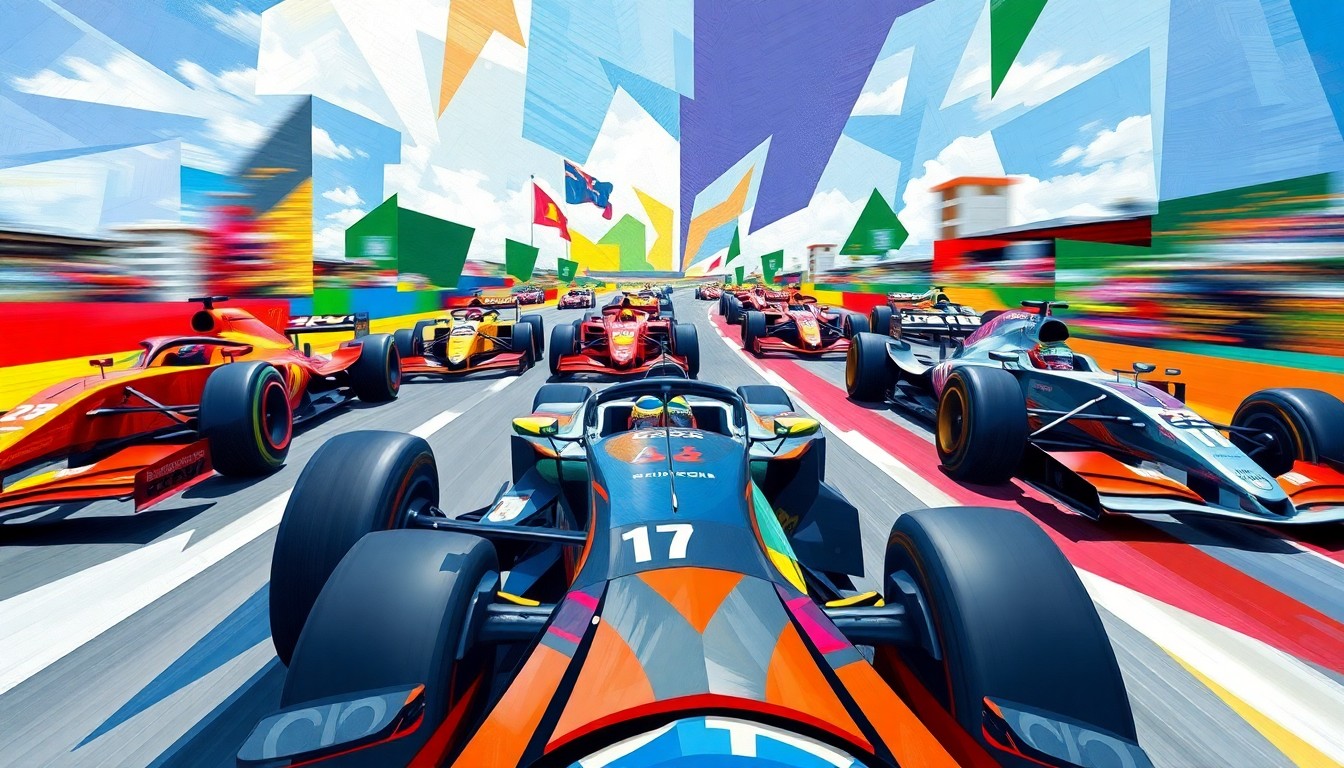 The new F1 rules have created a unique racing experience, but one that has sparked intense debate and raised concerns about the impact on the sport.Today in Miami
Formula 1's recent rule changes have created a unique racing experience, but one that is not without its critics. The new regulations have led to a 'yo-yo racing' effect, with cars passing and re-passing each other due to energy advantages, diminished driver skill, and significant speed differentials that have raised safety concerns among drivers and the Grand Prix Drivers' Association (GPDA).
Why it matters
The complex new rules, designed to balance speed and energy management, have led to a thorny issue that F1 bosses must address before the next race in Miami. With short-term and long-term solutions on the table, the future of Formula 1's racing dynamics and qualifying format remains uncertain, leaving fans and drivers alike awaiting a resolution.
The details
The introduction of 50-50 split engines, complete with 'overtaking' and 'boost' modes, has led to a unique racing experience, but one that is not without its critics. The new regulations have created a yo-yo racing effect, with cars passing and re-passing each other due to energy advantages, leading to accusations of artificiality from some drivers. The new engines have also diminished the importance of driver skill, as evidenced by the need for 'lift and coast' techniques during qualifying laps, which has made some of the sport's most challenging corners less demanding. The introduction of 'zero kilowatt zones' and power-limited periods has further complicated the rules, leading to counter-intuitive actions from drivers and concerns about safety. The significant speed differentials created by the new engines, as seen in Oliver Bearman's crash at Suzuka, have raised alarm bells among drivers and the GPDA.
- The new F1 rules were introduced in the 2026 season.
- The Chinese Grand Prix took place earlier this year.
- The Suzuka crash involving Oliver Bearman occurred recently.
The players
Max Verstappen
A four-time world champion who has likened the new F1 to the Mario Kart computer game, calling it 'a joke'.
Lewis Hamilton
A veteran driver who praised the intense battle with Charles Leclerc during the Chinese Grand Prix, describing it as 'the best battle' he's had in over a decade.
Oliver Bearman
A driver who was involved in a crash at Suzuka that raised safety concerns among drivers and the GPDA.
Grand Prix Drivers' Association (GPDA)
An organization that represents the interests of Formula 1 drivers and has raised concerns about the safety implications of the new rules.
What they’re saying
“The new F1 is a joke.”
— Max Verstappen, Four-time world champion
“That was the best battle I've had in over a decade.”
— Lewis Hamilton, Veteran driver
What’s next
F1 bosses are expected to address the issues raised by the new rules before the next race in Miami, with both short-term and long-term solutions being considered.
The takeaway
The complex new F1 rules have created a unique racing experience, but one that has sparked intense debate and raised concerns about the impact on racing dynamics, qualifying, and driver safety. With the future of the sport's format uncertain, all eyes are on F1 bosses to find a resolution that satisfies both drivers and fans.
Miami top stories
Miami events
Apr. 13, 2026
Stand Up Comedy Classes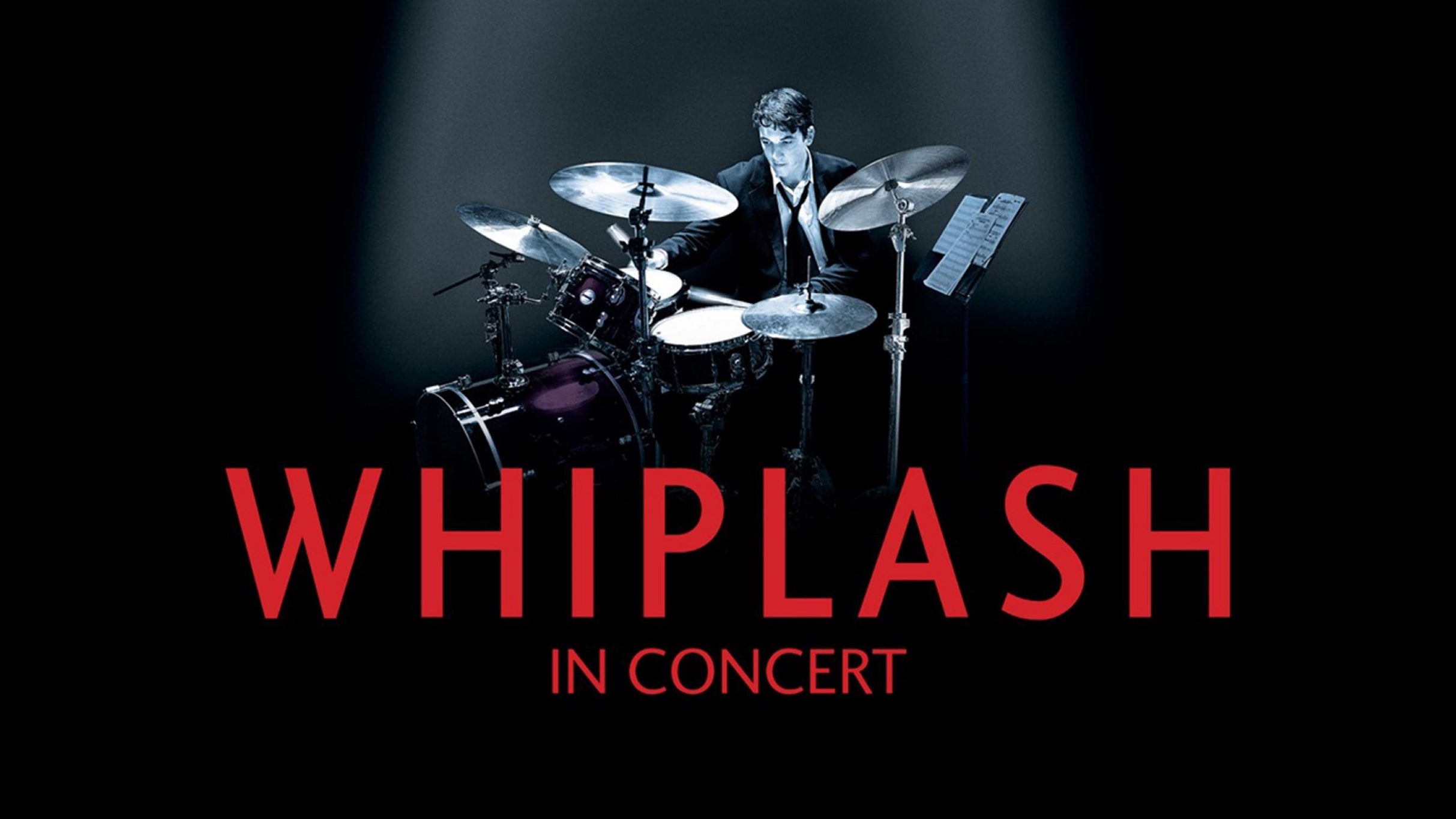
Apr. 15, 2026
Whiplash In Concert
Apr. 16, 2026
Improv Acting 1 - Improv Scenework