- Today
- Holidays
- Birthdays
- Reminders
- Cities
- Atlanta
- Austin
- Baltimore
- Berwyn
- Beverly Hills
- Birmingham
- Boston
- Brooklyn
- Buffalo
- Charlotte
- Chicago
- Cincinnati
- Cleveland
- Columbus
- Dallas
- Denver
- Detroit
- Fort Worth
- Houston
- Indianapolis
- Knoxville
- Las Vegas
- Los Angeles
- Louisville
- Madison
- Memphis
- Miami
- Milwaukee
- Minneapolis
- Nashville
- New Orleans
- New York
- Omaha
- Orlando
- Philadelphia
- Phoenix
- Pittsburgh
- Portland
- Raleigh
- Richmond
- Rutherford
- Sacramento
- Salt Lake City
- San Antonio
- San Diego
- San Francisco
- San Jose
- Seattle
- Tampa
- Tucson
- Washington
Miami Beach Today
By the People, for the People
Miracle Fruit May Help Cancer Patients Overcome Chemo Side Effect
The small red berry is gaining attention for its ability to make sour foods taste sweet, potentially improving nutrition for chemotherapy patients.
Apr. 13, 2026 at 4:34pm
Got story updates? Submit your updates here. ›
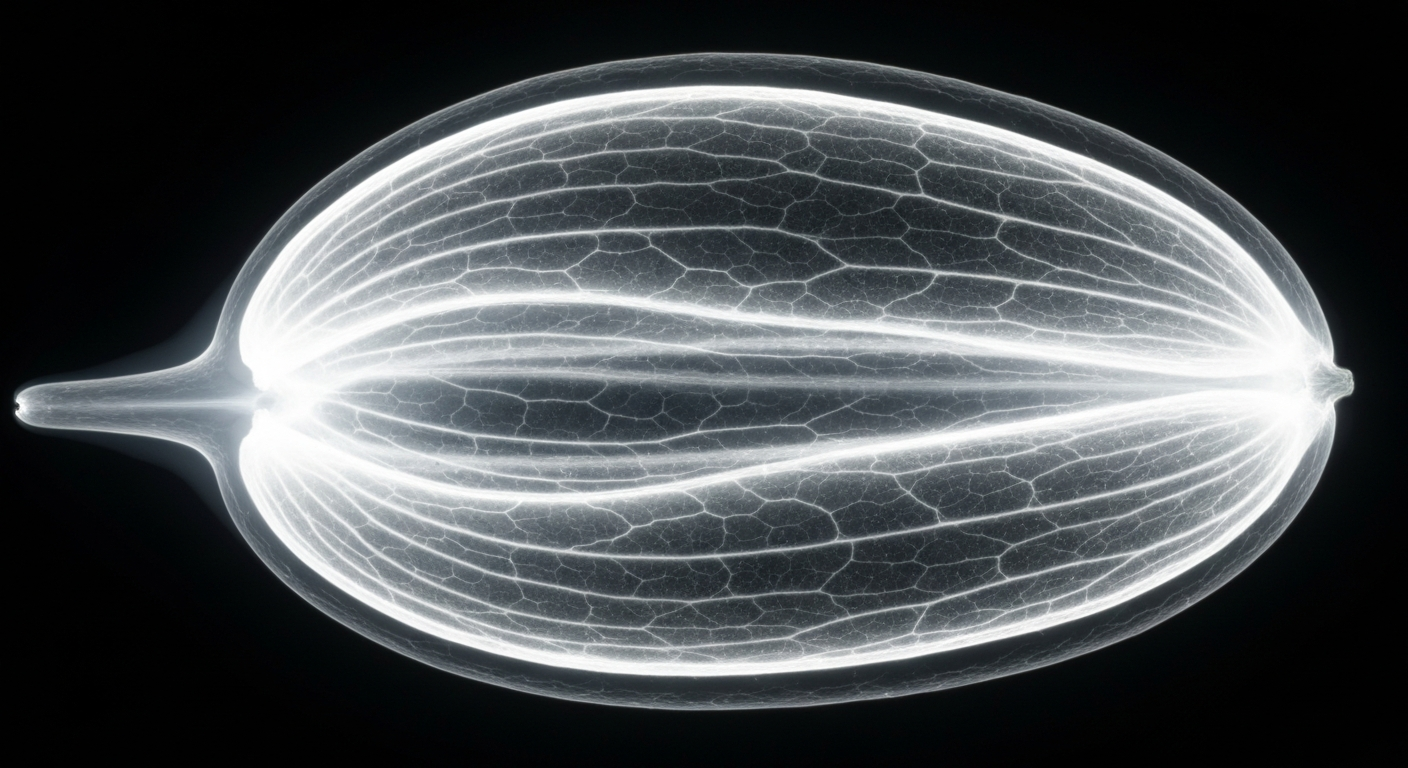 An X-ray view exposes the delicate inner workings of the 'miracle fruit', a small red berry that may help chemotherapy patients regain their sense of taste.Miami Beach Today
A small red berry called 'miracle fruit' is drawing attention for its ability to help some cancer patients cope with the unpleasant 'chemo mouth' side effect of treatment, which can make food taste metallic, bland, or spoiled. Researchers have found that about half of patients who tried the fruit reported improvements in taste, along with better overall quality of life, and some even gained weight. However, the evidence is still limited, and more research is needed to determine the fruit's effectiveness and safety.
Why it matters
Taste changes from chemotherapy can lead to weight loss, poor nutrition, and reduced motivation to eat, which can complicate ongoing cancer treatment. Finding ways to help patients better tolerate food and maintain a healthy diet during treatment is important for their overall well-being and recovery.
The details
The miracle fruit, scientifically known as Synsepalum dulcificum, contains a compound called miraculin that temporarily alters taste perception, making sour foods taste sweet. In a small clinical study, about half of the patients who tried the fruit reported improvements in taste, along with better overall quality of life, and 14% gained weight. However, the fruit did not work for everyone, and more rigorous research is needed to determine its effectiveness and which patients are most likely to benefit.
- The clinical study comparing miracle fruit to standard symptom management techniques was conducted recently.
- The miracle fruit has been gaining attention in the past few years as its availability has increased, though quality and effectiveness may vary between products.
The players
Dr. Mike Cusnir
A board-certified medical oncologist and co-director of gastrointestinal malignancies at Mount Sinai Medical Center in Miami Beach, Florida, who has researched the use of miracle fruit for cancer patients.
Memorial Sloan Kettering Cancer Center
A leading cancer research and treatment center that notes the evidence on the effectiveness of miracle fruit for chemotherapy patients remains limited and inconsistent.
What they’re saying
“A lot of side effects from cancer treatments are underreported. The alteration in taste will end up giving the patient the sensation that everything is absolutely bland. And we may think that that's negligible, that it's not that important — but with time it becomes bothersome to the point where the patient doesn't eat, then there's weight loss.”
— Dr. Mike Cusnir, Board-certified medical oncologist and co-director of gastrointestinal malignancies at Mount Sinai Medical Center
“Patients are tired, fatigued, and the time they spend with their family — if food is bothering them — it creates more isolation. Helping patients enjoy even a small part of a meal again can make a meaningful difference.”
— Dr. Mike Cusnir, Board-certified medical oncologist and co-director of gastrointestinal malignancies at Mount Sinai Medical Center
What’s next
Researchers are continuing to study the effectiveness and safety of miracle fruit for cancer patients, with the goal of determining which patients are most likely to benefit and how the fruit can be best incorporated into their care.
The takeaway
The miracle fruit shows promise as a natural way to help some cancer patients cope with the taste changes caused by chemotherapy, potentially improving their nutrition, quality of life, and overall well-being during treatment. However, more research is needed to fully understand its efficacy and safety before it can be widely recommended.
Miami Beach top stories


Miami Beach events

Apr. 16, 2026
The Midnight: Time Machines
Apr. 18, 2026
Manuel Medrano