- Today
- Holidays
- Birthdays
- Reminders
- Cities
- Atlanta
- Austin
- Baltimore
- Berwyn
- Beverly Hills
- Birmingham
- Boston
- Brooklyn
- Buffalo
- Charlotte
- Chicago
- Cincinnati
- Cleveland
- Columbus
- Dallas
- Denver
- Detroit
- Fort Worth
- Houston
- Indianapolis
- Knoxville
- Las Vegas
- Los Angeles
- Louisville
- Madison
- Memphis
- Miami
- Milwaukee
- Minneapolis
- Nashville
- New Orleans
- New York
- Omaha
- Orlando
- Philadelphia
- Phoenix
- Pittsburgh
- Portland
- Raleigh
- Richmond
- Rutherford
- Sacramento
- Salt Lake City
- San Antonio
- San Diego
- San Francisco
- San Jose
- Seattle
- Tampa
- Tucson
- Washington
Jupiter Island Today
By the People, for the People
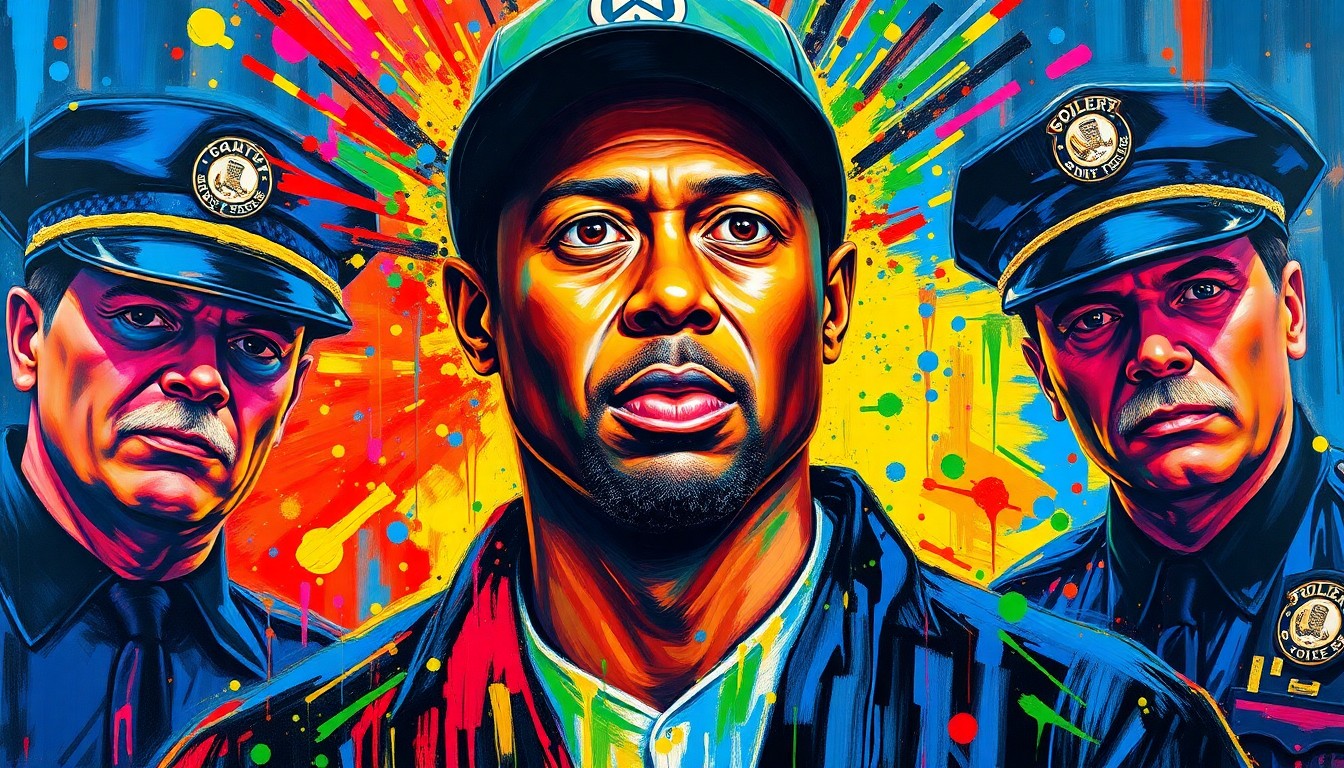
Tiger Woods Allowed to Seek Treatment Abroad After Second DUI Arrest
Florida judge approves motion for golfer to receive care outside the U.S. due to privacy concerns.
Apr. 3, 2026 at 4:07am
Got story updates? Submit your updates here. ›
 The legal complexities surrounding Tiger Woods' latest DUI arrest expose the double standards faced by high-profile individuals in the criminal justice system.Jupiter Island Today
A Florida judge has granted Tiger Woods permission to travel outside the United States for treatment following his second DUI arrest on Jupiter Island last Friday. Woods' legal team argued that no facility in the U.S. could adequately treat him because his privacy "has been repeatedly compromised." The golfer was arrested on charges of driving under the influence with property damage and refusal to submit to a blood alcohol level test. This is Woods' second DUI arrest in the last decade.
Why it matters
The decision to allow Woods to seek treatment abroad raises questions about the legal system's treatment of high-profile individuals, as the average American arrested on similar charges would not be granted the same opportunity to leave the country. The case highlights the perceived double standards in how the justice system handles celebrity substance abuse issues.
The details
According to the arrest affidavit, Woods was "sweating profusely" at the time of his arrest and officers found "two white pills" in his pocket. He submitted to a Breathalyzer test after being booked, which resulted in a 0.00 reading, but he declined to submit a urine test, leading to an additional charge. Woods' legal team argued that the "ongoing medical scrutiny and public exposure" in the U.S. would create "significant barriers to his care and would result in setbacks and an inability to fully engage in treatment."
- Woods was arrested on charges of driving under the influence with property damage and refusal to submit to a blood alcohol level test on Friday, April 3, 2026.
- On Tuesday, April 6, 2026, Woods released a statement on social media after entering a plea of not guilty, waiving his right to an arraignment, and demanding a trial with a jury.
The players
Tiger Woods
A professional golfer who has won 15 major championships and is considered one of the greatest players in the history of the sport. Woods was arrested on his second DUI charge in the last decade.
Judge Darren Steele
The Florida judge who approved the motion filed by Woods' attorney to allow the golfer to travel outside the United States for treatment.
Douglas N. Duncan
The attorney representing Tiger Woods in this case.
What they’re saying
“Based upon the Defendant's treating physician, the out of country treatment facility recommendation is based upon the Defendant's complex clinical presentation and the urgent need for a level of care that cannot safely or effectively be done within the United States as his privacy has been repeatedly compromised.”
— Douglas N. Duncan, Woods' Attorney
“I know and understand the seriousness of the situation I find myself in today. I am stepping away for a period of time to seek treatment and focus on my health. This is necessary in order for me to prioritize my well-being and work toward lasting recovery.”
— Tiger Woods
What’s next
The judge's decision to allow Woods to travel abroad for treatment will be closely watched, as the golfer faces a jury trial on the DUI charges. The timeline for his potential return to professional golf remains uncertain.
The takeaway
This case highlights the perceived double standards in how the justice system handles celebrity substance abuse issues, as the average American arrested on similar charges would not be granted the same opportunity to leave the country for treatment. While Woods deserves the chance to get well, the legal maneuvering raises questions about accountability and the influence of wealth and fame in the criminal justice process.