- Today
- Holidays
- Birthdays
- Reminders
- Cities
- Atlanta
- Austin
- Baltimore
- Berwyn
- Beverly Hills
- Birmingham
- Boston
- Brooklyn
- Buffalo
- Charlotte
- Chicago
- Cincinnati
- Cleveland
- Columbus
- Dallas
- Denver
- Detroit
- Fort Worth
- Houston
- Indianapolis
- Knoxville
- Las Vegas
- Los Angeles
- Louisville
- Madison
- Memphis
- Miami
- Milwaukee
- Minneapolis
- Nashville
- New Orleans
- New York
- Omaha
- Orlando
- Philadelphia
- Phoenix
- Pittsburgh
- Portland
- Raleigh
- Richmond
- Rutherford
- Sacramento
- Salt Lake City
- San Antonio
- San Diego
- San Francisco
- San Jose
- Seattle
- Tampa
- Tucson
- Washington
U.S. Unveils 'Greater North America' Plan, Reshaping Latin American Geopolitics
The Trump administration's new regional strategy aims to consolidate U.S. influence from Ecuador to Greenland, sparking concerns over national sovereignty.
Apr. 15, 2026 at 5:56am
Got story updates? Submit your updates here. ›
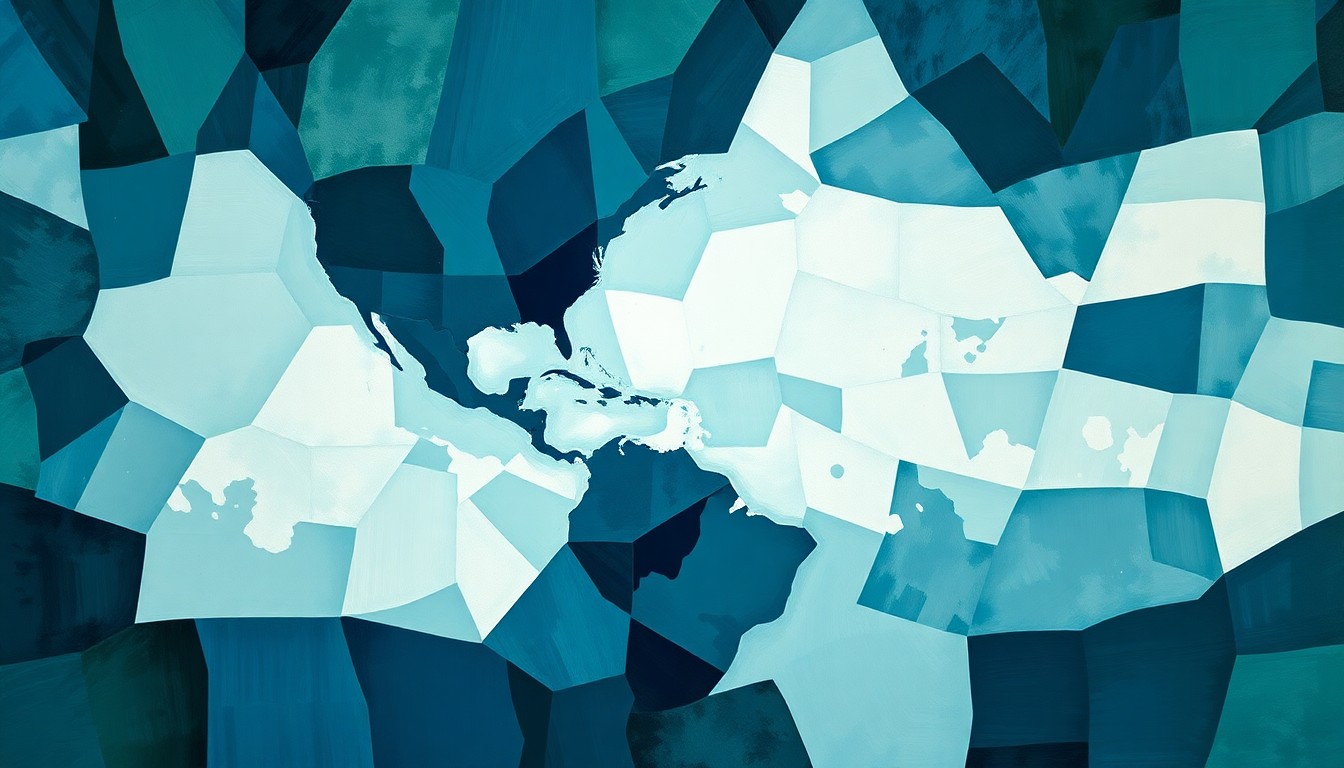 The 'Greater North America' plan fragments the geopolitical map of the Americas, undermining regional autonomy and consolidating U.S. control over critical resources and security.Doral Today
The Trump administration has announced a new 'Greater North America' initiative that redefines the geopolitical boundaries of Latin America and the Caribbean. This plan, framed within the U.S. hemispheric security strategy, stretches from Ecuador to Greenland and encompasses the Caribbean, Central America, Mexico, Colombia, Venezuela, and Guyana. The goal is to strengthen Washington's influence and control over the continent, viewing these countries as key partners. This move has been met with strategic silence from regional leaders, who prefer to ignore a decision they were not consulted on.
Why it matters
The 'Greater North America' plan represents a significant shift in U.S. foreign policy toward Latin America, abandoning the concept of the 'Global South' and asserting direct control over the region's resources and security. This undermines the autonomy and sovereignty of countries in the region, which had previously sought to develop regional cooperation frameworks like UNASUR and CELAC to preserve their independence. The plan also comes amid heightened tensions in the Middle East, suggesting the U.S. is rapidly consolidating a continental economic and energy bloc to reduce reliance on global supply chains.
The details
The 'Greater North America' initiative was announced by U.S. Secretary of War Pete Hegseth, on the eve of President Trump's address to the nation in which he stated the U.S. would strike Iran 'extremely hard' in the coming weeks. Hegseth defined this new regional geography, stretching from Ecuador to Greenland, as falling within the U.S. zone of direct defense interest. The aim is to ensure the security of critical resources, maritime routes, and the Panama Canal, with the stated goal of strengthening defense cooperation and controlling drug trafficking routes. This move effectively removes more than a dozen Latin American and Caribbean countries from the 'Global South' designation, which has historically represented a counterweight to U.S. hegemony.
- On March 5, Secretary of War Pete Hegseth hosted the defense ministers of 17 countries at the Southern Command headquarters in Doral, Florida to lay the groundwork for direct military strikes against narco-terrorism.
- On March 7, the presidents of the region signed the Doral Charter at a meeting in Doral, Miami, sealing an alliance that institutionalizes military cooperation and intelligence sharing.
- On March 31, the formalization of 'Greater North America' was announced, fragmenting the continent and burying the aspirations for autonomy of regional organizations like UNASUR and CELAC.
The players
Pete Hegseth
U.S. Secretary of War who announced the 'Greater North America' initiative.
Donald Trump
President of the United States who stated the U.S. would strike Iran 'extremely hard' in the coming weeks.
Delcy Rodríguez
Venezuela's interim President who expressed gratitude for the Trump administration's decision to remove her from U.S. sanctions lists.
Lula da Silva
President of Brazil who has maintained a strategic silence on the 'Greater North America' plan, despite being a critic of U.S. foreign policy in the region.
Laura Richardson
Former head of the U.S. Southern Command who referred to the region's natural resources as a matter of national security for the United States.
What they’re saying
“We must control the region at any cost.”
— Laura Richardson, Former head of the U.S. Southern Command
“This removal from the 'Clinton List' lifted the financial and trade restrictions that had been in place since 2018, now allowing her to interact freely with U.S. companies and investors. Delcy Rodríguez described the measure as a 'step toward the normalization and strengthening of relations' between Venezuela and the United States.”
— Delcy Rodríguez, Venezuela's interim President
What’s next
The U.S. is expected to press forward with the 'Greater North America' plan despite limited resistance from the largely subdued region, as it seeks to consolidate control over the continent's natural resources and security.
The takeaway
The 'Greater North America' initiative represents a unilateral U.S. effort to redefine the geopolitical boundaries of Latin America and the Caribbean, abandoning the concept of the 'Global South' and asserting direct control over the region's resources and security. This move undermines the autonomy and sovereignty of countries in the region, which had previously sought to develop regional cooperation frameworks to preserve their independence.