- Today
- Holidays
- Birthdays
- Reminders
- Cities
- Atlanta
- Austin
- Baltimore
- Berwyn
- Beverly Hills
- Birmingham
- Boston
- Brooklyn
- Buffalo
- Charlotte
- Chicago
- Cincinnati
- Cleveland
- Columbus
- Dallas
- Denver
- Detroit
- Fort Worth
- Houston
- Indianapolis
- Knoxville
- Las Vegas
- Los Angeles
- Louisville
- Madison
- Memphis
- Miami
- Milwaukee
- Minneapolis
- Nashville
- New Orleans
- New York
- Omaha
- Orlando
- Philadelphia
- Phoenix
- Pittsburgh
- Portland
- Raleigh
- Richmond
- Rutherford
- Sacramento
- Salt Lake City
- San Antonio
- San Diego
- San Francisco
- San Jose
- Seattle
- Tampa
- Tucson
- Washington
Florida SNAP Restricts Food Purchases
New rules aim to promote healthier diets for low-income residents
Apr. 20, 2026 at 12:46pm
Got story updates? Submit your updates here. ›
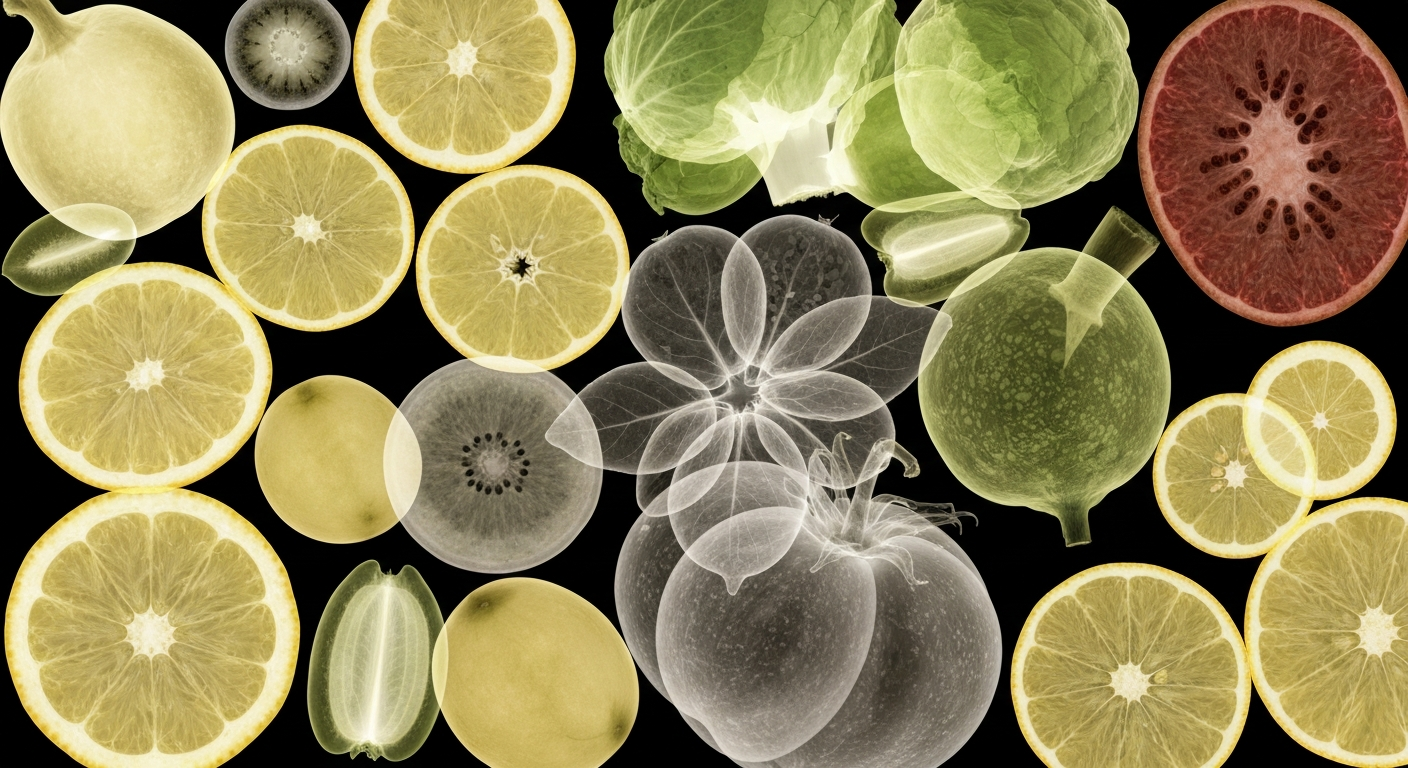 Florida's SNAP program aims to steer low-income residents towards more nutritious food choices through new purchasing restrictions.Daytona Beach Today
The Florida Supplemental Nutrition Assistance Program (SNAP) has implemented new restrictions on the types of food items that can be purchased using SNAP benefits. The goal is to align the program more closely with its mission of providing access to a nutritious diet and promoting healthier eating habits among low-income residents.
Why it matters
SNAP is a critical food assistance program that helps millions of Floridians afford groceries each month. By restricting certain less healthy items, the state hopes to steer SNAP recipients towards more nutritious food choices that can improve overall health outcomes.
The details
Under the new SNAP rules, certain food and beverage items have been removed from the list of eligible purchases. This includes sugary drinks, candies, and snack foods high in fat, salt, or added sugars. The state believes these changes will encourage SNAP recipients to select more fruits, vegetables, whole grains, lean proteins, and other nutrient-dense foods.
- The new SNAP restrictions went into effect on April 1, 2026.
The players
Florida Supplemental Nutrition Assistance Program (SNAP)
A federal food assistance program that provides monthly benefits to low-income individuals and families to purchase eligible grocery items.
What they’re saying
“We must do everything we can to help SNAP recipients make healthier choices that will improve their long-term wellbeing.”
— Jill Levine, Florida SNAP Director
What’s next
Florida officials will monitor the impact of the new SNAP restrictions over the next year to determine if further adjustments are needed to better align the program with public health goals.
The takeaway
By restricting less nutritious food and beverage options, Florida's SNAP program is taking an important step towards ensuring low-income residents have access to a healthier diet. However, the long-term success of these changes will depend on providing SNAP recipients with education, resources, and support to make sustainable improvements to their eating habits.