- Today
- Holidays
- Birthdays
- Reminders
- Cities
- Atlanta
- Austin
- Baltimore
- Berwyn
- Beverly Hills
- Birmingham
- Boston
- Brooklyn
- Buffalo
- Charlotte
- Chicago
- Cincinnati
- Cleveland
- Columbus
- Dallas
- Denver
- Detroit
- Fort Worth
- Houston
- Indianapolis
- Knoxville
- Las Vegas
- Los Angeles
- Louisville
- Madison
- Memphis
- Miami
- Milwaukee
- Minneapolis
- Nashville
- New Orleans
- New York
- Omaha
- Orlando
- Philadelphia
- Phoenix
- Pittsburgh
- Portland
- Raleigh
- Richmond
- Rutherford
- Sacramento
- Salt Lake City
- San Antonio
- San Diego
- San Francisco
- San Jose
- Seattle
- Tampa
- Tucson
- Washington
Auburndale Today
By the People, for the People
Florida's Citrus Industry Withers as Groves Give Way to Development
Once a thriving economic engine, the Sunshine State's orange groves are disappearing at an alarming rate due to disease, climate change, and unchecked real estate development.
Apr. 20, 2026 at 9:40am
Got story updates? Submit your updates here. ›
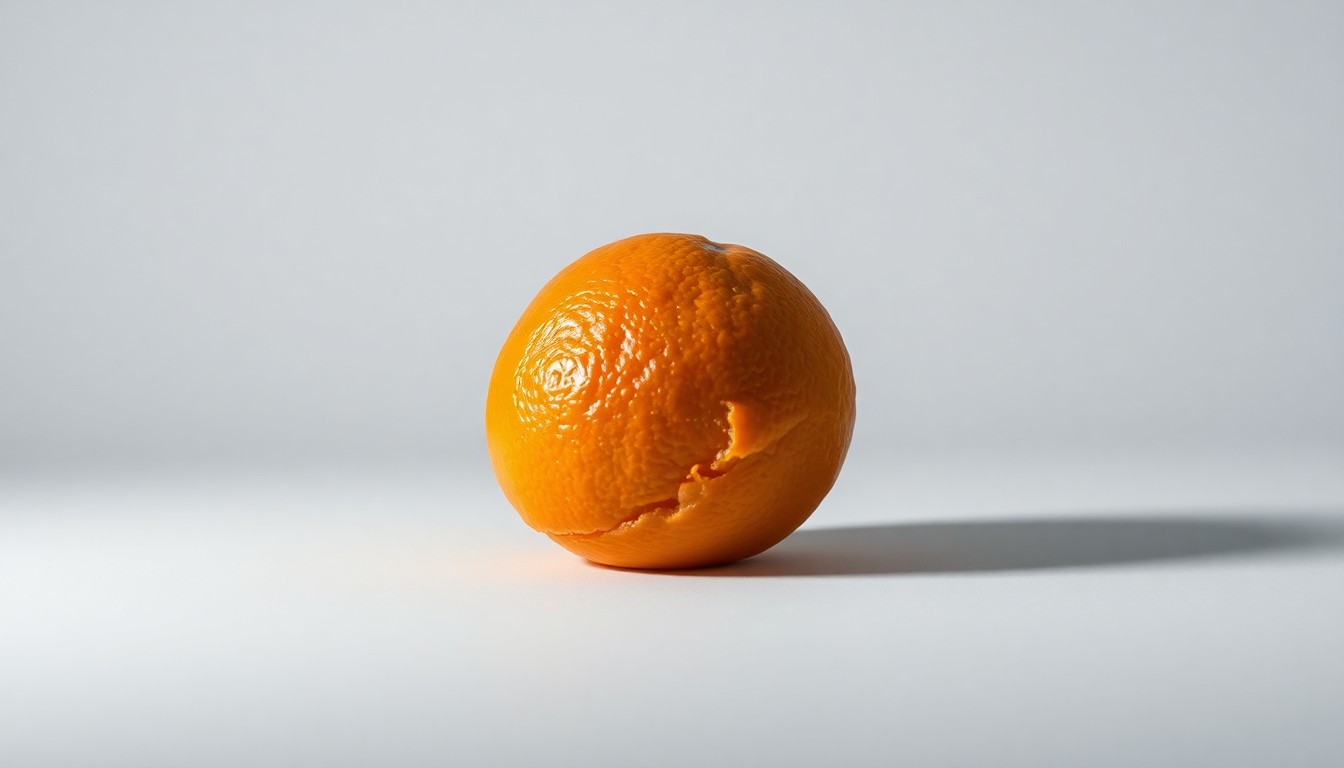 The iconic Florida orange, once a symbol of the state's prosperity, now lies alone and forgotten as the citrus industry crumbles.Auburndale Today
Florida's once-mighty citrus industry is in a state of crisis, with production plummeting by over 95% in the past two decades. Citrus greening disease, a bacterial infection spread by the Asian citrus psyllid, has ravaged the state's orange groves, while hurricanes, droughts, and unchecked development have further decimated the industry. As growers struggle to keep their operations afloat, developers are rapidly converting former citrus lands into housing and commercial projects, erasing the iconic orange groves that once defined the Florida landscape.
Why it matters
The decline of Florida's citrus industry has far-reaching implications, both economically and culturally. Citrus has long been a cornerstone of the state's identity, with the orange blossom becoming the official state flower in 1909 and orange juice a breakfast staple for generations of Americans. The industry's collapse threatens the livelihoods of thousands of growers and workers, while also diminishing a unique piece of Florida's heritage and natural environment.
The details
Citrus greening disease, first detected in Florida in 2005, has infected virtually every orange tree in the state, slowly choking the life out of the trees and rendering the fruit unpalatable. Growers have tried various treatments, including the antibiotic oxytetracycline, but nothing has proven to be a lasting solution. Meanwhile, a series of devastating hurricanes, including Irma, Ian, and Milton, have further weakened the trees and disrupted harvests. As the industry has struggled, developers have seized the opportunity to convert former citrus lands into housing, commercial, and industrial projects, accelerating the industry's decline.
- In 2005, citrus greening disease was first detected in Florida.
- In 2017, Hurricane Irma caused significant damage to citrus groves across the state.
- In 2021, a record 47.63% of orange trees in Brazil's Citrus Belt were affected by greening, mirroring the crisis in Florida.
- In 2025, Alico, the largest citrus grower in Florida, announced it was abandoning 53,000 acres of citrus production.
- In 2026, the last oranges are expected to be harvested from the Joshua Grove, once the largest contiguous citrus grove in the country.
The players
Waymo
An American autonomous driving company and a subsidiary of Alphabet Inc., Google's parent company.
Walker Reed Quinn
A 45-year-old San Francisco resident who has a history of vandalism and was out on bail for prior cases related to Waymo vehicles.
Rainbow Grocery Cooperative
A local food natural foods grocery store, organized as an employee-owned co-op and born out of a 1970s grassroots natural food movement calling for access to nutritious and organic food.
Gordon Edgar
A 31-year employee who oversees Rainbow's cheese counter.
Rick Dantzler
A third-generation citrus grower from Winter Haven, Florida, and the former chief operating officer of the Citrus Research and Development Foundation.
What they’re saying
“'It's been a dumpster fire of a year.'”
— Rick Dantzler, Former chief operating officer, Citrus Research and Development Foundation
“'Hopefully you can stay in business.'”
— Researcher
“'The orange is gone. It's dead.'”
— Mike, Employee, former citrus processing plant
“'I think they killed it themselves, with chemicals. That's a fact.'”
— Jack Gunther, Security guard, former citrus grove
What’s next
Alico, the largest citrus grower in Florida, will complete the process of converting 53,000 acres of citrus groves to other agricultural uses or development projects by the end of 2026, marking the effective end of the state's once-dominant orange industry.
The takeaway
The collapse of Florida's citrus industry, once a symbol of the state's identity and economic prosperity, serves as a cautionary tale about the fragility of agricultural systems in the face of disease, climate change, and unchecked development. The loss of this iconic industry will have lasting impacts on Florida's communities, culture, and environment.