- Today
- Holidays
- Birthdays
- Reminders
- Cities
- Atlanta
- Austin
- Baltimore
- Berwyn
- Beverly Hills
- Birmingham
- Boston
- Brooklyn
- Buffalo
- Charlotte
- Chicago
- Cincinnati
- Cleveland
- Columbus
- Dallas
- Denver
- Detroit
- Fort Worth
- Houston
- Indianapolis
- Knoxville
- Las Vegas
- Los Angeles
- Louisville
- Madison
- Memphis
- Miami
- Milwaukee
- Minneapolis
- Nashville
- New Orleans
- New York
- Omaha
- Orlando
- Philadelphia
- Phoenix
- Pittsburgh
- Portland
- Raleigh
- Richmond
- Rutherford
- Sacramento
- Salt Lake City
- San Antonio
- San Diego
- San Francisco
- San Jose
- Seattle
- Tampa
- Tucson
- Washington
Alford Today
By the People, for the People
GOP Congressmen Demand Investigation of Bad Bunny's 'Indecent' Super Bowl Halftime Show
Tennessee Rep. Andy Ogles accused the Puerto Rican rapper of putting on a hypersexual performance, echoing similar criticism that Latina halftime singers Jennifer Lopez and Shakira received in 2020
Published on Feb. 11, 2026
Got story updates? Submit your updates here. ›
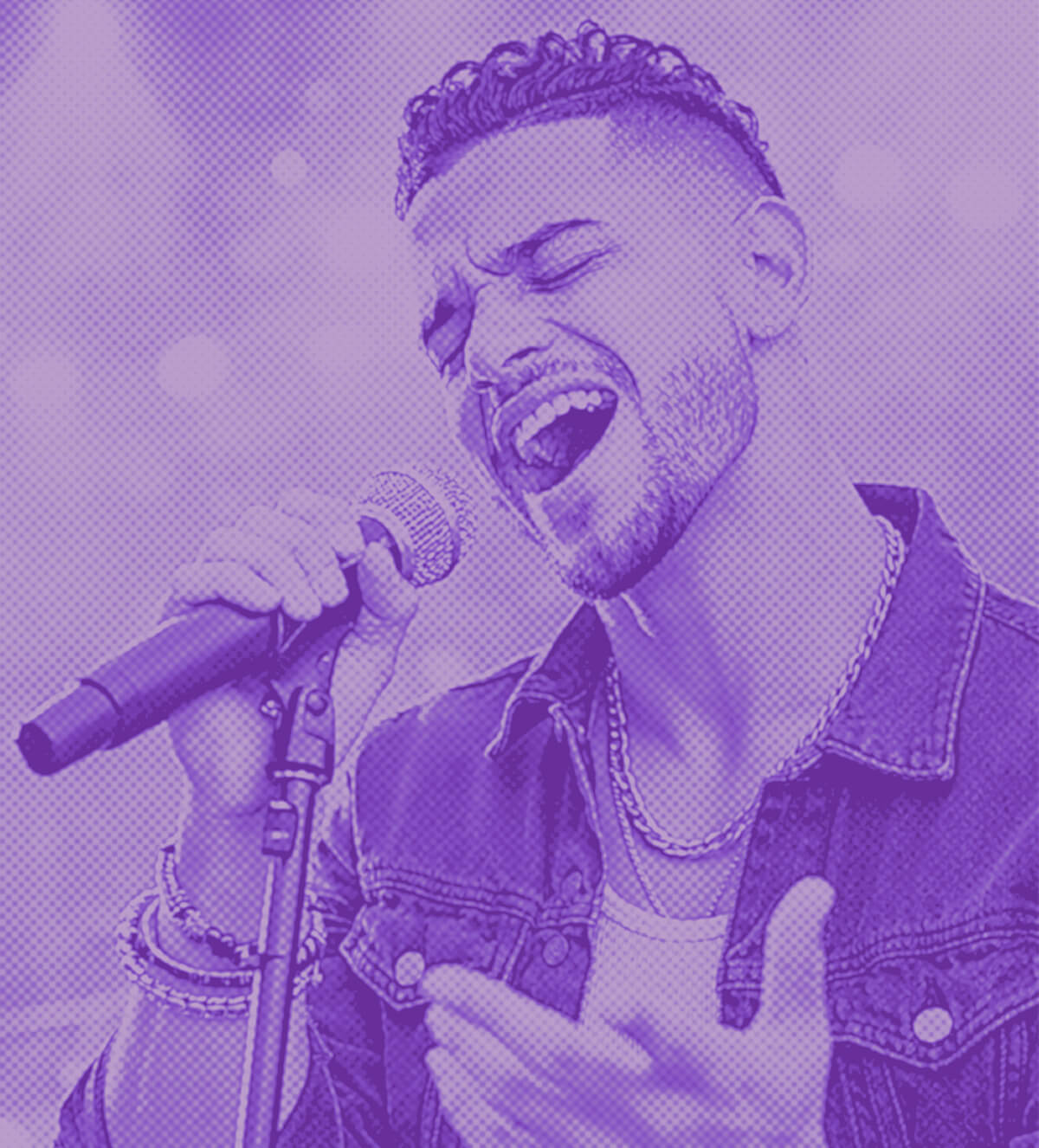
A handful of Republican congressmen are calling for Bad Bunny's Super Bowl LX halftime show to be investigated, with one describing the performance as 'explicit and indecent.' Tennessee Rep. Andy Ogles sent a letter to the House of Energy and Commerce Committee demanding a 'formal congressional inquiry' into the NFL and NBCUniversal over their approval and review process for the Puerto Rican rapper's halftime show performance. Florida Rep. Randy Fine and Missouri Rep. Mark Alford also took issue with the performance and suggested the FCC should get involved.
Why it matters
This case highlights the ongoing debate over the content and appropriateness of high-profile halftime performances, particularly when featuring Latino artists. It echoes similar controversies from past Super Bowls, where Latina singers like Jennifer Lopez and Shakira faced criticism for their 'sexualized' performances.
The details
In his letter, Ogles claimed that Bad Bunny's performance featured 'explicit displays of gay sexual acts, women gyrating provocatively, and Bad Bunny shamelessly grabbing his crotch while dry-humping the air.' He also accused the lyrics of 'openly glorifying sodomy and countless other unspeakable depravities.' Ogles suggested the NFL and NBC did not hold the Spanish-language performance to the same content standards as English performances.
- Bad Bunny's Super Bowl LX halftime show performance took place on February 9, 2026.
- Ogles sent his letter to the House of Energy and Commerce Committee on Monday, February 9, 2026, demanding a congressional inquiry.
The players
Andy Ogles
A Republican congressman from Tennessee who is calling for a formal congressional inquiry into Bad Bunny's Super Bowl halftime show performance.
Randy Fine
A Republican congressman from Florida who suggested the FCC should take action against the NFL, NBC, and Bad Bunny over the 'disgusting halftime show.'
Mark Alford
A Republican congressman from Missouri who said Bad Bunny's halftime show could be 'much worse than the Janet Jackson wardrobe malfunction.'
Bad Bunny
A Puerto Rican rapper who performed the Super Bowl LX halftime show, which has drawn criticism from some Republican congressmen.
NFL
The National Football League, which approved and oversaw Bad Bunny's Super Bowl halftime show performance.
What they’re saying
“Children were forced to endure explicit displays of gay sexual acts, women gyrating provocatively, and Bad Bunny shamelessly grabbing his crotch while dry-humping the air.”
— Andy Ogles, Republican Congressman from Tennessee (X)
“And if that weren't outrageous enough, the performance's lyrics openly glorified sodomy and countless other unspeakable depravities. These flagrant, indecent acts are illegal to be displayed on public airways.”
— Andy Ogles, Republican Congressman from Tennessee (X)
“We are sending [FCC chairman] Brendan Carr a letter calling for dramatic action, including fines and broadcast license reviews, against the NFL, NBC and 'Bad Bunny.' Lock them up.”
— Randy Fine, Republican Congressman from Florida (X)
“This could be much worse than the Janet Jackson wardrobe malfunction, let's put it that way.”
— Mark Alford, Republican Congressman from Missouri (Newsmax)
What’s next
The House of Energy and Commerce Committee, which has jurisdiction over broadcast regulation and oversees the FCC, will decide whether to launch a formal congressional inquiry into the NFL and NBCUniversal's approval and review process for Bad Bunny's Super Bowl halftime show performance.
The takeaway
This controversy highlights the ongoing tensions around the content and appropriateness of high-profile halftime performances, particularly when featuring Latino artists. It reflects a broader debate over cultural representation, artistic expression, and community standards in major televised events.