- Today
- Holidays
- Birthdays
- Reminders
- Cities
- Atlanta
- Austin
- Baltimore
- Berwyn
- Beverly Hills
- Birmingham
- Boston
- Brooklyn
- Buffalo
- Charlotte
- Chicago
- Cincinnati
- Cleveland
- Columbus
- Dallas
- Denver
- Detroit
- Fort Worth
- Houston
- Indianapolis
- Knoxville
- Las Vegas
- Los Angeles
- Louisville
- Madison
- Memphis
- Miami
- Milwaukee
- Minneapolis
- Nashville
- New Orleans
- New York
- Omaha
- Orlando
- Philadelphia
- Phoenix
- Pittsburgh
- Portland
- Raleigh
- Richmond
- Rutherford
- Sacramento
- Salt Lake City
- San Antonio
- San Diego
- San Francisco
- San Jose
- Seattle
- Tampa
- Tucson
- Washington
Residential Interior Wood Doors Market Projected to Reach $27.81B by 2036
Asia Pacific leads growth, driven by major players like JELD-WEN and Simpson Door
Apr. 3, 2026 at 5:18am
Got story updates? Submit your updates here. ›
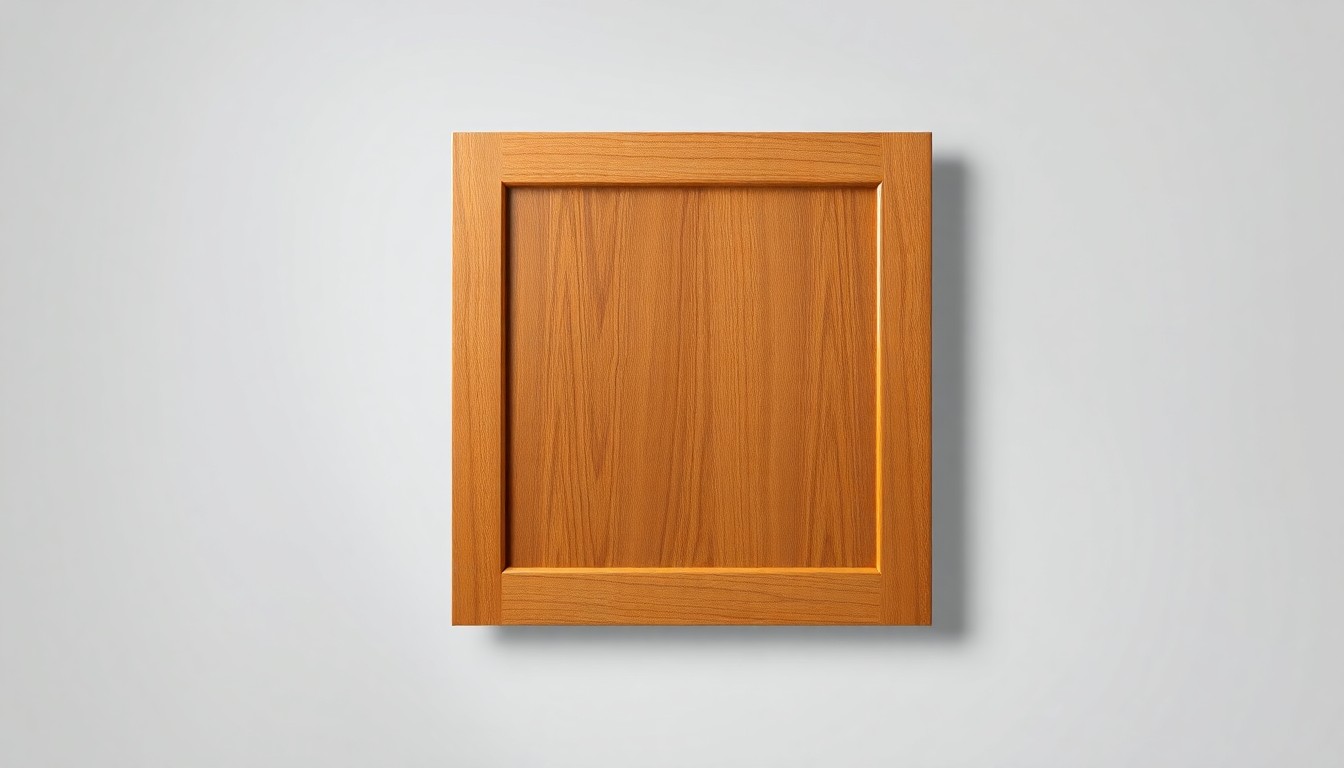 As the residential interior wood doors market evolves, premium engineered and composite systems are gaining ground over traditional solid wood for their cost-efficiency and performance consistency.Newark Today
The global residential interior wood doors market is valued at $19.72 billion in 2026 and is projected to reach $27.81 billion by 2036, expanding at a CAGR of 3.5%. Growth is supported by sustained housing construction in Asia Pacific and renovation-driven replacement cycles in North America and Europe, alongside a shift toward engineered and composite wood door systems offering cost efficiency and consistent quality.
Why it matters
The residential interior wood doors market represents a steady, volume-driven building materials segment where manufacturing scale, material innovation, and distribution reach are key competitive factors. As the industry transitions from solid wood to engineered and composite systems, companies that fail to adapt risk margin pressure and loss of builder contracts.
The details
Mid-range/standard doors lead by product type with a 42.3% share, while bedroom doors dominate applications with 38.7% share. Key regions driving growth include Asia Pacific, North America, and Europe, with major players such as JELD-WEN, ASSA ABLOY, Simpson Door Company, and TruStile Doors. The shift from solid wood to engineered and composite doors is driven by cost advantages, dimensional stability, and sustainability compliance.
- The market size in 2026 is $19.72 billion and is expected to reach $27.81 billion by 2036, growing at a CAGR of 3.5%.
- Between 2026 and 2030, the market is projected to reach approximately $23.5 billion, driven by steady housing completions and builder-grade procurement in multi-unit developments.
- From 2030 to 2036, the market expands further to $27.81 billion, supported by premiumization trends in renovation markets and increasing adoption of factory-finished, pre-hung door systems.
The players
JELD-WEN
A leading global manufacturer of interior and exterior doors, windows, and related building products.
ASSA ABLOY
A multinational group that develops and markets lock and door opening solutions, including residential interior wood doors.
Simpson Door Company
A manufacturer of high-quality interior and exterior wood doors for residential and commercial applications.
TruStile Doors
A producer of custom, high-end interior wood doors for the residential and commercial markets.
The takeaway
The residential interior wood doors market is expected to grow steadily over the next decade, driven by ongoing housing construction, renovation demand, and premium interior design trends. Growth will be supported by increased adoption of engineered materials, expansion of online sales channels, and innovation in smart and energy-efficient door systems.