- Today
- Holidays
- Birthdays
- Reminders
- Cities
- Atlanta
- Austin
- Baltimore
- Berwyn
- Beverly Hills
- Birmingham
- Boston
- Brooklyn
- Buffalo
- Charlotte
- Chicago
- Cincinnati
- Cleveland
- Columbus
- Dallas
- Denver
- Detroit
- Fort Worth
- Houston
- Indianapolis
- Knoxville
- Las Vegas
- Los Angeles
- Louisville
- Madison
- Memphis
- Miami
- Milwaukee
- Minneapolis
- Nashville
- New Orleans
- New York
- Omaha
- Orlando
- Philadelphia
- Phoenix
- Pittsburgh
- Portland
- Raleigh
- Richmond
- Rutherford
- Sacramento
- Salt Lake City
- San Antonio
- San Diego
- San Francisco
- San Jose
- Seattle
- Tampa
- Tucson
- Washington
Fed Nominee Warsh Faces Senate Grilling on Monetary Policy
Former Fed governor's criticism of central bank policies now under scrutiny as he seeks top job
Apr. 20, 2026 at 12:11pm
Got story updates? Submit your updates here. ›
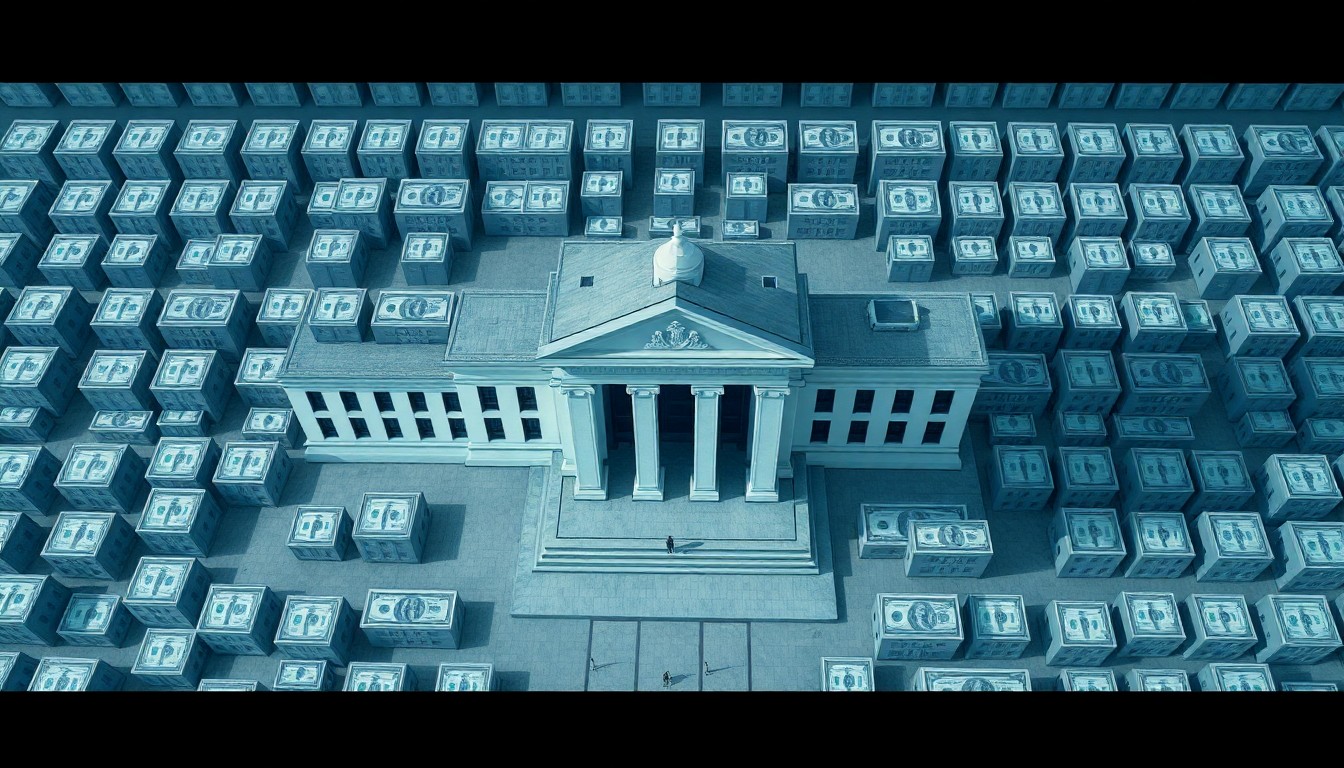 The Federal Reserve's expansive balance sheet and influential role in the economy face heightened scrutiny as a former critic seeks to lead the central bank.Washington Today
After over a decade of criticizing the Federal Reserve, former Fed governor Kevin Warsh faces a crucial Senate hearing as he seeks to become the next Fed chair. Lawmakers are expected to press Warsh on his monetary policy views and past role during the 2008 financial crisis.
Why it matters
Warsh's nomination comes at a critical time for the Fed, which is facing the most intense challenges to its independence and standing since the post-World War II era. His past criticism of the central bank's policies and calls for 'regime change' have raised concerns about his commitment to the Fed's dual mandate of price stability and maximum employment.
The details
Warsh, a 56-year-old financier, has been a frequent critic of the Fed, calling for lower interest rates and a reduction in the central bank's $6.71 trillion balance sheet. However, his views have evolved, with Warsh now arguing that lower rates are appropriate due to technology-driven productivity gains. Lawmakers will likely press Warsh to reconcile his past hawkish stance with his more recent dovish leanings.
- The Senate Banking Committee hearing is scheduled for Tuesday, April 20, 2026.
- Warsh's nomination comes as Fed Chair Jerome Powell's last day in the top job is ostensibly May 15, 2026.
The players
Kevin Warsh
A former Federal Reserve governor who has been nominated to become the next Fed chair. Warsh has been a frequent critic of the central bank's policies and is known for his tight-money, inflation-hawk reputation, which has evolved to include support for lower interest rates.
Jerome Powell
The current Federal Reserve chair, whose last day in the top job is expected to be May 15, 2026.
Donald Trump
The former U.S. president who has waged an aggressive campaign to gain more influence over the Federal Reserve, demanding steep interest rate cuts.
Scott Bessent
The U.S. Treasury Secretary who has also been critical of the Fed and has discussed the possibility of overhauling the central bank's operations or striking a new 'accord' between the Fed and the Treasury.
Elizabeth Warren
The top Democrat on the Senate Banking Committee, who has raised concerns about Warsh's role during the 2008 financial crisis.
What they’re saying
“Does Warsh voice unconditional support for Fed independence and distance himself from the administration's call for steep rate cuts?”
— Matthew Luzzetti, Chief U.S. economist, Deutsche Bank
“In the lead-up to the crisis, Mr. Warsh failed to meaningfully identify or address the risks associated with subprime mortgages and derivatives.”
— Elizabeth Warren, U.S. Senator
What’s next
Key Republican lawmakers have committed to blocking Warsh's confirmation until the Trump administration drops a criminal probe of Powell and the central bank, which they consider frivolous and a threat to the Fed's independence.
The takeaway
Warsh's nomination to lead the Federal Reserve comes at a critical juncture, as the central bank faces intense challenges to its standing and independence. His past criticism of the Fed's policies and his evolving views on monetary policy will be closely scrutinized by lawmakers, who will seek to understand his commitment to the Fed's dual mandate and its operational independence.
Washington top stories



Washington events
Apr. 20, 2026
Washington Nationals vs. Atlanta Braves
Apr. 20, 2026
HEALTH x CARPENTER BRUT
Apr. 20, 2026
Krooked Kings