- Today
- Holidays
- Birthdays
- Reminders
- Cities
- Atlanta
- Austin
- Baltimore
- Berwyn
- Beverly Hills
- Birmingham
- Boston
- Brooklyn
- Buffalo
- Charlotte
- Chicago
- Cincinnati
- Cleveland
- Columbus
- Dallas
- Denver
- Detroit
- Fort Worth
- Houston
- Indianapolis
- Knoxville
- Las Vegas
- Los Angeles
- Louisville
- Madison
- Memphis
- Miami
- Milwaukee
- Minneapolis
- Nashville
- New Orleans
- New York
- Omaha
- Orlando
- Philadelphia
- Phoenix
- Pittsburgh
- Portland
- Raleigh
- Richmond
- Rutherford
- Sacramento
- Salt Lake City
- San Antonio
- San Diego
- San Francisco
- San Jose
- Seattle
- Tampa
- Tucson
- Washington
Trump Administration Proposes Tying Federal Aid to Student Earnings
New regulations would cut off funding for programs that fail to boost graduates' incomes above high school diploma holders.
Apr. 19, 2026 at 3:00pm
Got story updates? Submit your updates here. ›
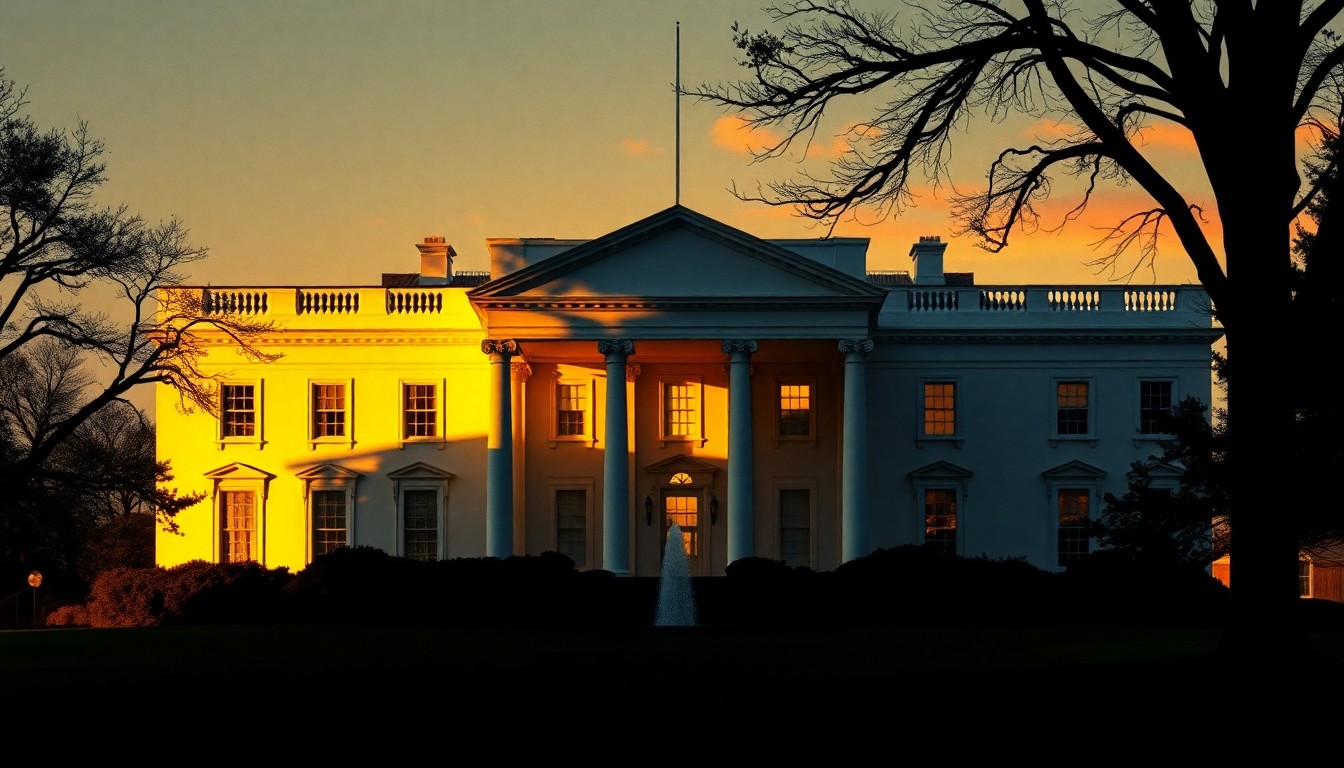
 The Trump administration's proposed higher education accountability framework casts a long shadow over the future of federal student aid.Washington Today
The Trump administration has proposed new regulations that would require colleges and universities to demonstrate their graduates are earning more than workers with only a high school diploma. Programs that fail to meet these earnings thresholds for two out of three years would lose access to federal student loans and Pell Grants.
Why it matters
The proposal aims to hold all post-secondary programs accountable for their graduates' financial outcomes, not just for-profit colleges which have faced scrutiny in recent years. Critics argue the measures are too blunt, but the administration says taxpayers should not subsidize programs that do not improve students' earnings.
The details
The 'Do No Harm' or earnings test would require all undergraduate, certificate, associate's and master's programs to prove their graduates earn more than the median income for workers with only a high school diploma or a bachelor's degree, respectively. Schools would lose federal aid eligibility if they fail to meet the thresholds for two out of three years. The proposal also eliminates a Biden-era rule that increased scrutiny on for-profit colleges.
- The proposed regulations (RIN 1840-AE06) will be published on April 20, 2026.
- The public comment period will be open until May 20, 2026.
- The new regulations are set to take effect on July 1, 2026.
The players
Department of Education
The federal agency that oversees higher education and is proposing the new accountability regulations.
Nicholas Kent
Education Under Secretary, who stated the proposal is 'grounded in common sense' to ensure taxpayers do not subsidize programs that do not improve graduates' earnings.
Jason Altmire
President and CEO of the Career Education Colleges and Universities trade group, who expressed support for the universal application of the accountability requirements across all sectors.
What they’re saying
“The Trump Administration's proposed accountability framework is grounded in common sense: if postsecondary education programs do not leave graduates better off, taxpayers should not subsidize them.”
— Nicholas Kent, Education Under Secretary
“We are pleased that the Department applied the accountability requirements universally across all sectors, an approach we have advocated for many years, ensuring that all schools can be held accountable for their outcomes.”
— Jason Altmire, President and CEO, Career Education Colleges and Universities
What’s next
The proposed regulations will be open for public comment until May 20, 2026, before taking effect on July 1, 2026.
The takeaway
This proposal aims to hold all colleges and universities accountable for their graduates' financial outcomes, not just for-profit institutions. While some see the measures as too blunt, the administration argues taxpayers should not subsidize programs that fail to improve students' earnings potential.
Washington top stories

Washington events
Apr. 20, 2026
Washington Nationals vs. Atlanta Braves
Apr. 20, 2026
HEALTH x CARPENTER BRUT
Apr. 20, 2026
Krooked Kings