- Today
- Holidays
- Birthdays
- Reminders
- Cities
- Atlanta
- Austin
- Baltimore
- Berwyn
- Beverly Hills
- Birmingham
- Boston
- Brooklyn
- Buffalo
- Charlotte
- Chicago
- Cincinnati
- Cleveland
- Columbus
- Dallas
- Denver
- Detroit
- Fort Worth
- Houston
- Indianapolis
- Knoxville
- Las Vegas
- Los Angeles
- Louisville
- Madison
- Memphis
- Miami
- Milwaukee
- Minneapolis
- Nashville
- New Orleans
- New York
- Omaha
- Orlando
- Philadelphia
- Phoenix
- Pittsburgh
- Portland
- Raleigh
- Richmond
- Rutherford
- Sacramento
- Salt Lake City
- San Antonio
- San Diego
- San Francisco
- San Jose
- Seattle
- Tampa
- Tucson
- Washington
Strait of Hormuz Reopening Offers Fertilizer Supply Relief
Analysts say the move could help ease pressure on agricultural input costs if it holds.
Apr. 18, 2026 at 2:35am
Got story updates? Submit your updates here. ›
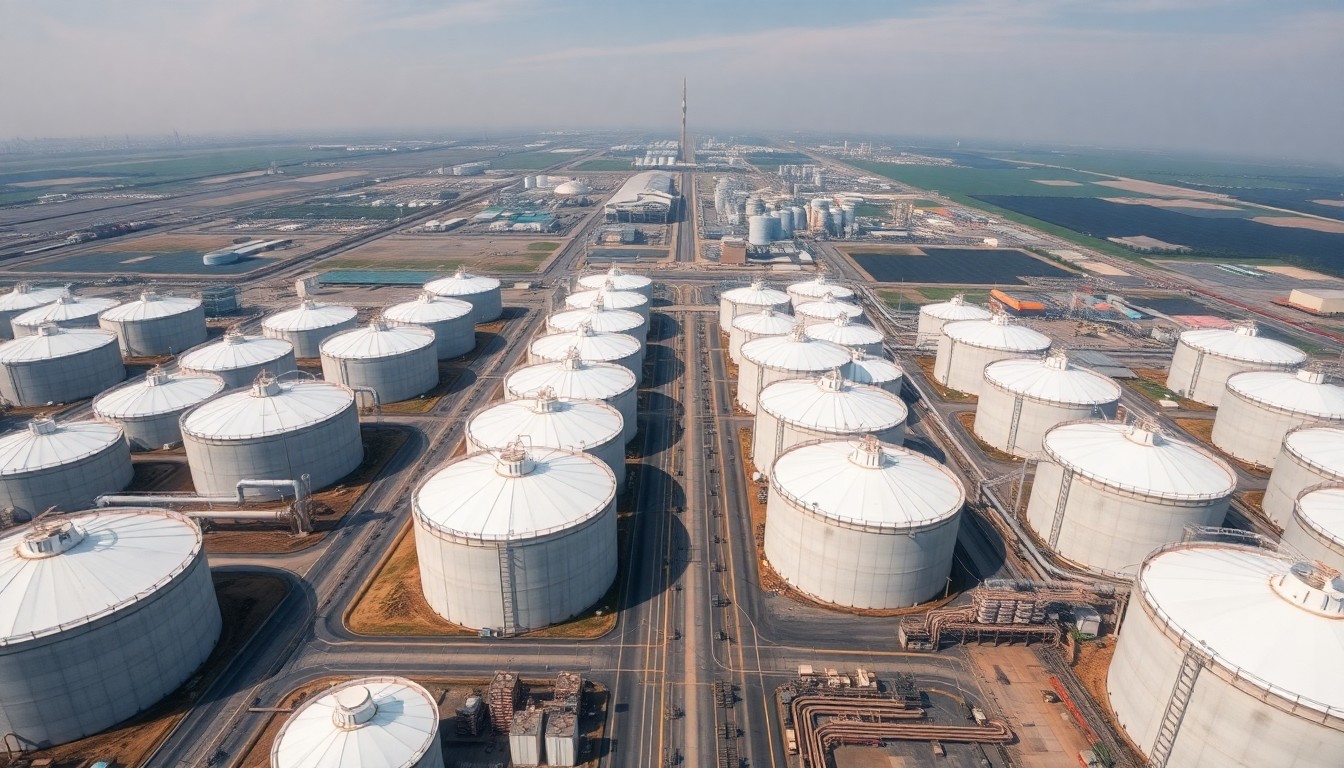 The reopening of the Strait of Hormuz could help alleviate pressure on the global fertilizer supply chain, which is a critical component of modern agriculture.Washington Today
Reports indicate that the reopening of the Strait of Hormuz, a critical global shipping chokepoint, is being viewed as a positive development for agriculture, particularly for fertilizer supply chains. Policy analyst Randy Russell says the move could help relieve pressure on input costs if it holds, as a significant portion of urea and processed phosphates move through the strait.
Why it matters
The Strait of Hormuz is a strategic global waterway, and its closure has had major implications for the worldwide supply and pricing of key agricultural inputs like fertilizers. The reopening of the strait could provide much-needed relief to farmers and agricultural producers grappling with high input costs.
The details
Russell notes that around 35% of the world's urea and 40% of processed phosphates move through the Strait of Hormuz. The reopening of this critical shipping chokepoint could help stabilize the supply and pricing of these essential fertilizers. Discussions are also ongoing in Washington about potential additional farm assistance to help offset the impact of high input costs.
- The Strait of Hormuz reportedly reopened in April 2026.
The players
Randy Russell
A policy analyst who has commented on the potential impact of the Strait of Hormuz reopening on agricultural input costs.
John Hoeven
A U.S. senator who is weighing options for additional farm assistance in response to high input costs.
John Thune
A U.S. senator who is weighing options for additional farm assistance in response to high input costs.
John Boozman
A U.S. senator who is weighing options for additional farm assistance in response to high input costs.
What they’re saying
“We've got about 35 percent of the urea, and about 40 percent of the processed phosphates that go through the Strait of Hormuz.”
— Randy Russell, Policy Analyst
“You hear numbers in the range of 15 to 20 billion, I think there's still a fairly decent chance we'll see some more farm assistance.”
— Randy Russell, Policy Analyst
What’s next
Lawmakers in Washington are continuing to discuss potential additional farm assistance measures to help offset the impact of high input costs on agricultural producers.
The takeaway
The reopening of the Strait of Hormuz could provide much-needed relief to the agricultural sector by helping to stabilize the supply and pricing of essential fertilizers. However, high input costs remain a significant challenge, and further government support may be needed to help farmers weather the ongoing economic pressures.
Washington top stories



Washington events

Apr. 18, 2026
DC Defenders vs. St. Louis Battlehawks
Apr. 18, 2026
Glow Block Party: Chris Lake
Apr. 18, 2026
Nimesh Patel: With All Due Disrespect Tour