- Today
- Holidays
- Birthdays
- Reminders
- Cities
- Atlanta
- Austin
- Baltimore
- Berwyn
- Beverly Hills
- Birmingham
- Boston
- Brooklyn
- Buffalo
- Charlotte
- Chicago
- Cincinnati
- Cleveland
- Columbus
- Dallas
- Denver
- Detroit
- Fort Worth
- Houston
- Indianapolis
- Knoxville
- Las Vegas
- Los Angeles
- Louisville
- Madison
- Memphis
- Miami
- Milwaukee
- Minneapolis
- Nashville
- New Orleans
- New York
- Omaha
- Orlando
- Philadelphia
- Phoenix
- Pittsburgh
- Portland
- Raleigh
- Richmond
- Rutherford
- Sacramento
- Salt Lake City
- San Antonio
- San Diego
- San Francisco
- San Jose
- Seattle
- Tampa
- Tucson
- Washington
Wall Street Buys Trump's Assurances on Iran War Ending Soon
Booming indexes don't erase the impact of the conflict, with the World Bank warning disruptions could last for months.
Apr. 16, 2026 at 1:09am
Got story updates? Submit your updates here. ›
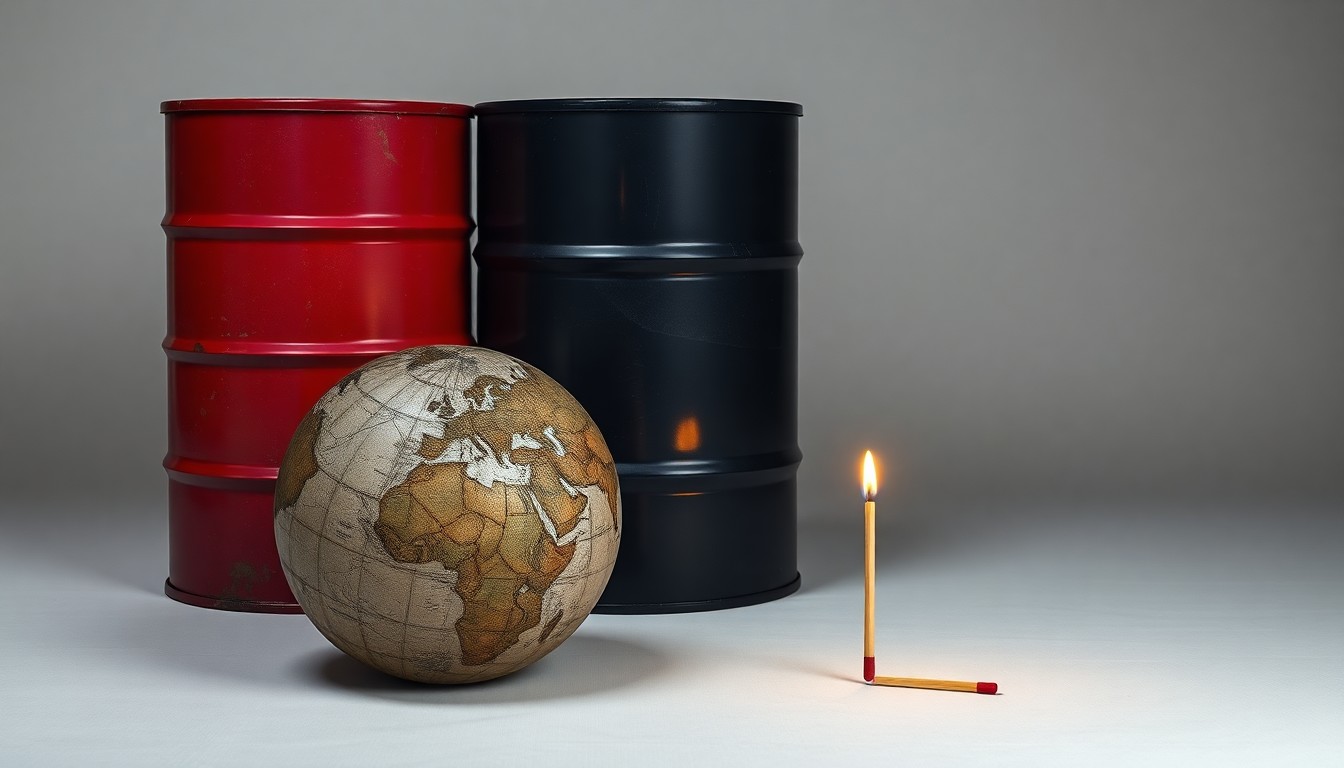 A photographic still life captures the global energy disruption caused by the ongoing Iran conflict.Washington Today
Despite President Trump's repeated assurances that the Iran war would end swiftly, the conflict-related disruptions are likely to last for months, according to World Bank President Ajay Banga. The S&P 500 and Nasdaq Composite rose to new all-time highs, but the war has already damaged an estimated $58 billion worth of energy infrastructure, leading countries like South Korea to rethink their energy security.
Why it matters
The ongoing Iran war has had significant economic impacts, including disruptions to global energy markets. While Wall Street has rallied, the World Bank's warnings suggest the conflict's effects could linger, underscoring the challenges in predicting the duration and resolution of modern wars.
The details
The U.S. and Iran are set to return to Pakistan next week for a second round of peace negotiations, according to two senior Pakistani officials. However, the World Bank's Ajay Banga cautioned that conflict-related disruptions would likely last for months, even if a ceasefire holds and the Strait of Hormuz is reopened. Consulting firm Rystad Energy estimates the Iran war has damaged as much as $58 billion worth of energy infrastructure, with more than 80 facilities attacked and over a third severely damaged.
- The Iran war began on February 28, 2026.
- The U.S. and Iran will return to Pakistan next week for a second round of peace talks.
- Federal Reserve Chair Jerome Powell's term expires on May 15, 2026.
The players
Donald Trump
The President of the United States who has repeatedly assured the public that the Iran war will end soon, despite the conflict's ongoing economic impacts.
Ajay Banga
The President of the World Bank, who warned that conflict-related disruptions from the Iran war could last for months.
Jerome Powell
The current Chair of the Federal Reserve, whose term is set to expire on May 15, 2026, and who has been threatened with termination by President Trump.
Kevin Warsh
The former Federal Reserve Governor who has been nominated by President Trump to succeed Jerome Powell as the next Fed Chair.
Kim Sung-hwan
The Energy Minister of South Korea, who told CNBC that the Iran war is serving as a significant turning point for Seoul to shift towards renewable energy and away from oil.
What they’re saying
“Wars begin when you will, but they do not end when you please.”
— Niccolò Machiavelli, Renaissance political philosopher
“The stock market is going to boom.”
— Donald Trump, President of the United States
“Conflict-related disruptions would likely last for months, even if the current shaky ceasefire lasts and the Strait of Hormuz is reopened.”
— Ajay Banga, President of the World Bank
“The current situation was serving as a significant turning point for Seoul to shift to renewable energy and away from oil.”
— Kim Sung-hwan, Energy Minister of South Korea
What’s next
The U.S. and Iran will likely return to Pakistan next week for a second round of peace negotiations, according to two senior Pakistani officials.
The takeaway
The ongoing Iran war has had significant economic impacts, disrupting global energy markets and leading countries like South Korea to rethink their energy strategies. Despite President Trump's assurances, the World Bank warns that the conflict's effects could linger for months, underscoring the challenges in predicting the duration and resolution of modern wars.