- Today
- Holidays
- Birthdays
- Reminders
- Cities
- Atlanta
- Austin
- Baltimore
- Berwyn
- Beverly Hills
- Birmingham
- Boston
- Brooklyn
- Buffalo
- Charlotte
- Chicago
- Cincinnati
- Cleveland
- Columbus
- Dallas
- Denver
- Detroit
- Fort Worth
- Houston
- Indianapolis
- Knoxville
- Las Vegas
- Los Angeles
- Louisville
- Madison
- Memphis
- Miami
- Milwaukee
- Minneapolis
- Nashville
- New Orleans
- New York
- Omaha
- Orlando
- Philadelphia
- Phoenix
- Pittsburgh
- Portland
- Raleigh
- Richmond
- Rutherford
- Sacramento
- Salt Lake City
- San Antonio
- San Diego
- San Francisco
- San Jose
- Seattle
- Tampa
- Tucson
- Washington
Middle East War Damages $58 Billion in Energy Infrastructure
Rystad Energy estimates extensive damage to oil, gas, and LNG facilities across the region.
Apr. 15, 2026 at 6:56pm
Got story updates? Submit your updates here. ›
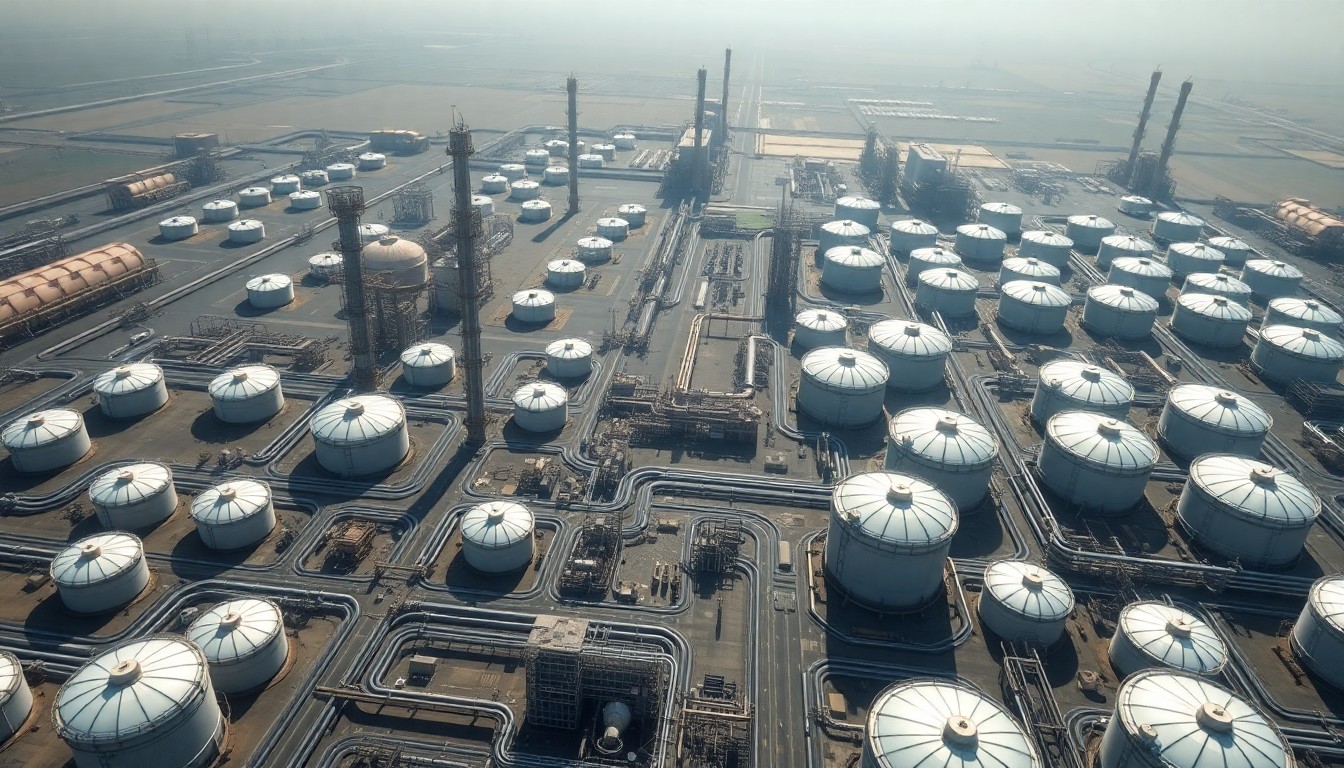 Extensive damage to critical energy facilities across the Middle East will disrupt global oil and gas supplies for years to come.Washington Today
The Middle East war has caused an estimated $58 billion in damage to energy infrastructure across the region, according to a report by consulting firm Rystad Energy. More than 80 energy facilities have been attacked, with over a third severely damaged. Repair costs are estimated to be at least $34 billion, and it could take up to two years to restore production to pre-war levels.
Why it matters
The extensive damage to critical energy infrastructure in the Middle East will have far-reaching impacts on global energy supplies and prices. The region is a major producer of oil, gas, and LNG, and disruptions to production and exports could lead to supply shortages and price spikes worldwide.
The details
The attacks have targeted a wide range of energy facilities, including oil and gas production sites, refineries, pipelines, and LNG plants. Iran has struck the infrastructure of its Gulf Arab neighbors, while Israel has bombed facilities in Iran. The most severe damage has been to Iran's own energy infrastructure, with an estimated $19 billion in repair costs. Qatar also faces steep costs of $20 billion after its key LNG facility was hit, and the damage will take up to five years to repair.
- The Middle East war began on February 28, 2026.
- More than 80 energy facilities have been attacked since the start of the war.
- The International Energy Agency estimates it could take up to two years to restore production to pre-war levels.
The players
Rystad Energy
A global energy consulting firm that published the estimate of $58 billion in damage to energy infrastructure in the Middle East.
Fatih Birol
The executive director of the International Energy Agency, who provided details on the extent of the damage to energy facilities in the region.
QatarEnergy
The state-owned energy company of Qatar, which reported $20 billion in lost revenue and a five-year repair timeline for its damaged LNG facility.
What’s next
The International Energy Agency will continue to monitor the situation and provide updates on the status of energy infrastructure repairs and the timeline for restoring production to pre-war levels.
The takeaway
The extensive damage to energy infrastructure in the Middle East will have significant global implications, as the region is a critical supplier of oil, gas, and LNG. Restoring production and exports will be a lengthy and costly process, underscoring the vulnerability of the global energy system to geopolitical conflicts.
Washington top stories



Washington events

Apr. 17, 2026
Washington Nationals vs. San Francisco Giants
Apr. 17, 2026
GoldFord: Space of the Heart Tour
Apr. 17, 2026
Black Pistol Fire - Flagrant Act of Bliss