- Today
- Holidays
- Birthdays
- Reminders
- Cities
- Atlanta
- Austin
- Baltimore
- Berwyn
- Beverly Hills
- Birmingham
- Boston
- Brooklyn
- Buffalo
- Charlotte
- Chicago
- Cincinnati
- Cleveland
- Columbus
- Dallas
- Denver
- Detroit
- Fort Worth
- Houston
- Indianapolis
- Knoxville
- Las Vegas
- Los Angeles
- Louisville
- Madison
- Memphis
- Miami
- Milwaukee
- Minneapolis
- Nashville
- New Orleans
- New York
- Omaha
- Orlando
- Philadelphia
- Phoenix
- Pittsburgh
- Portland
- Raleigh
- Richmond
- Rutherford
- Sacramento
- Salt Lake City
- San Antonio
- San Diego
- San Francisco
- San Jose
- Seattle
- Tampa
- Tucson
- Washington
US Wholesale Prices Surge 4% After Iran War Drives Up Energy Costs
The producer price index rose 0.5% from February and 4% from March 2025, the biggest year-over-year gain in more than three years.
Apr. 14, 2026 at 10:51pm
Got story updates? Submit your updates here. ›
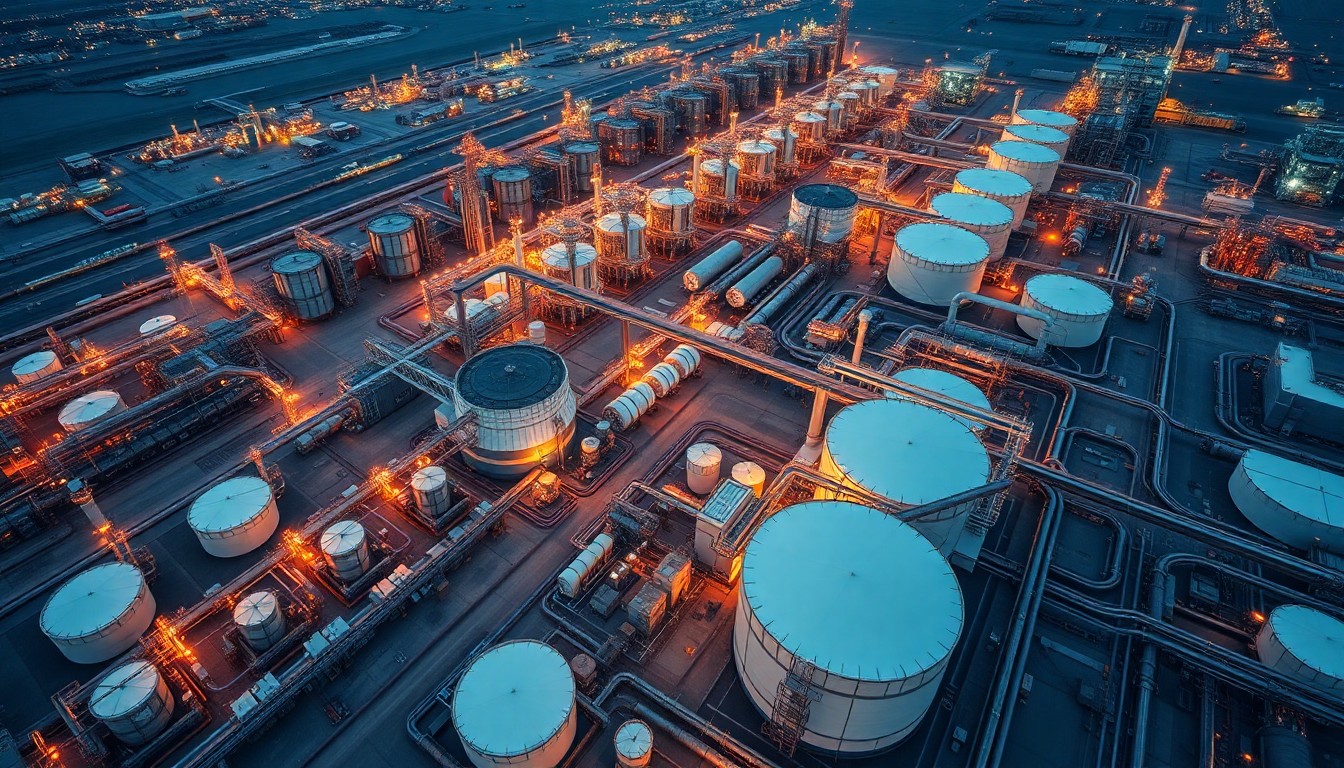 The Iran war's impact on global energy supplies has driven a surge in wholesale prices, complicating the Federal Reserve's efforts to control inflation.Washington Today
U.S. wholesale prices surged last month as the war in Iran drove up the cost of energy. The Labor Department reported that its producer price index, which measures inflation before it hits consumers, rose 0.5% from February and 4% from March 2025. Energy prices surged 8.5% from February, though food prices fell 0.3% after a previous 2.4% jump.
Why it matters
The surge in wholesale prices complicates the work of the Federal Reserve, which has faced pressure to lower interest rates but may now need to raise them to combat the inflation threat from higher energy costs. The rising prices could also become a political issue ahead of the midterm elections, with food prices being a particular concern.
The details
The Labor Department's producer price index, which measures inflation before it hits consumers, rose 0.5% from February and 4% from March 2025. Excluding volatile food and energy prices, core producer prices rose a more modest 0.1% from February and 3.8% from a year earlier. The gains in wholesale prices were smaller than economists had forecast. Energy prices surged 8.5% from February, while food prices fell 0.3% after a 2.4% jump the previous month.
- The Labor Department reported the data on Tuesday, April 14, 2026.
- The year-over-year gains were the biggest in more than three years.
The players
Labor Department
The U.S. government agency that reported the producer price index data.
Federal Reserve
The U.S. central banking system that is responsible for setting monetary policy and fighting inflation.
President Donald Trump
The former U.S. president who has pressured the Federal Reserve to lower interest rates.
Scott Bessent
The U.S. Treasury Secretary who commented on the economic impact of the Iran conflict.
International Energy Agency
The international organization that forecasts oil demand and expects a decline due to the Iran war.
What they’re saying
“The decline in food prices is overdue, and welcome news for everyone. Food price increases are at the core of political arguments over affordability.”
— Carl Weinberg, Chief Economist, High Frequency Economics
“A small bit of economic pain for a few weeks is worth taking off the incalculable tail risk of the either a nuclear Iran or a nuclear Iran that uses that weapon.”
— Scott Bessent, U.S. Treasury Secretary
What’s next
Diplomats are continuing attempts to arrange a new round of peace talks between the United States and Iran to try to end the conflict, which has driven up energy prices and contributed to the surge in wholesale inflation.
The takeaway
The sharp rise in wholesale prices, driven by surging energy costs from the Iran war, will put pressure on the Federal Reserve to raise interest rates to combat inflation, even as it faces political pressure to lower them. This economic fallout from the conflict could become a major issue in the upcoming midterm elections.
Washington top stories


Washington events

Apr. 14, 2026
Maisie Peters: Before The Bloom
Apr. 14, 2026
Whiskey & History: Lincoln Assassination
Apr. 14, 2026
Paul Anka