- Today
- Holidays
- Birthdays
- Reminders
- Cities
- Atlanta
- Austin
- Baltimore
- Berwyn
- Beverly Hills
- Birmingham
- Boston
- Brooklyn
- Buffalo
- Charlotte
- Chicago
- Cincinnati
- Cleveland
- Columbus
- Dallas
- Denver
- Detroit
- Fort Worth
- Houston
- Indianapolis
- Knoxville
- Las Vegas
- Los Angeles
- Louisville
- Madison
- Memphis
- Miami
- Milwaukee
- Minneapolis
- Nashville
- New Orleans
- New York
- Omaha
- Orlando
- Philadelphia
- Phoenix
- Pittsburgh
- Portland
- Raleigh
- Richmond
- Rutherford
- Sacramento
- Salt Lake City
- San Antonio
- San Diego
- San Francisco
- San Jose
- Seattle
- Tampa
- Tucson
- Washington
US Blockade of Hormuz Strait Threatens Asia's Energy Supply
Ongoing Iran conflict and naval blockade disrupt critical oil shipping route
Apr. 14, 2026 at 11:32am
Got story updates? Submit your updates here. ›
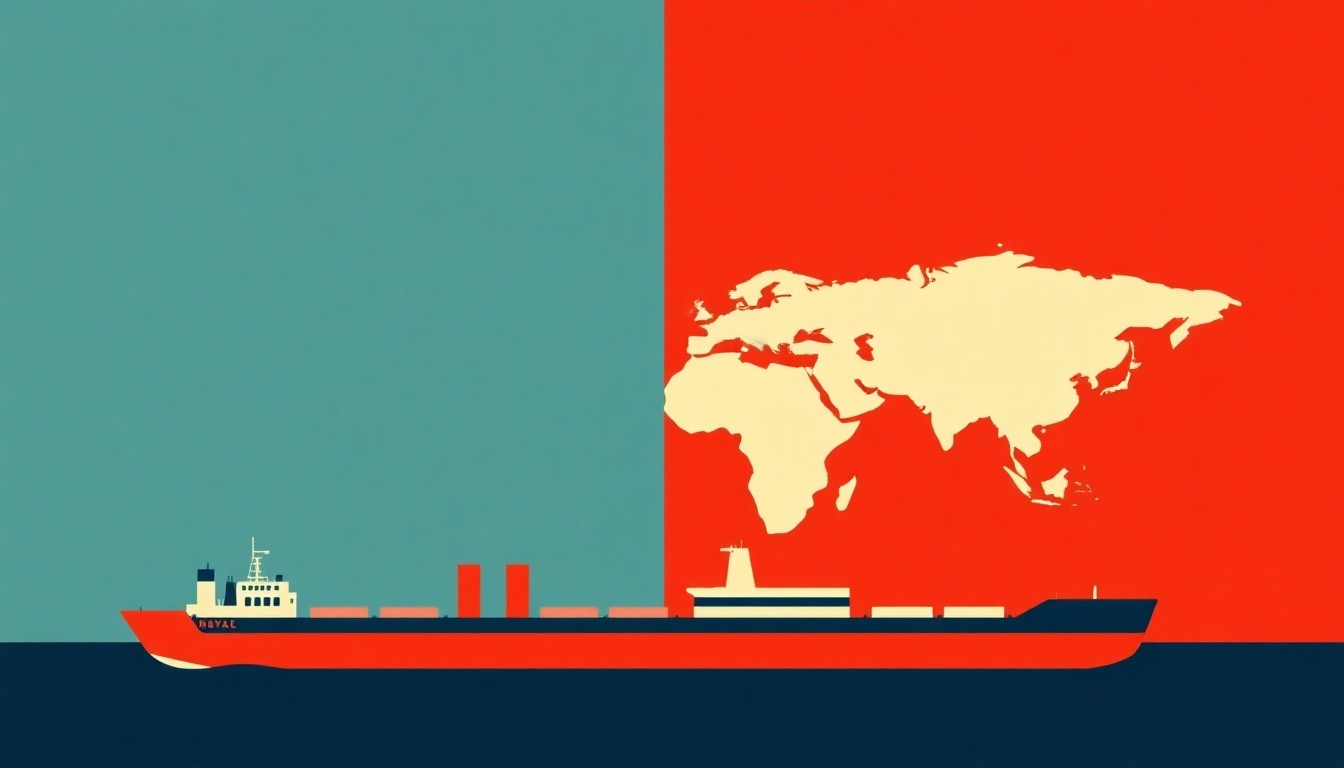 A visual metaphor for the energy crisis in Asia caused by the US naval blockade of a critical global oil shipping route.Washington Today
The United States' naval blockade of the Strait of Hormuz is pushing Asia toward an unprecedented energy crisis, as peace talks on the Iran war remain stalled with no resolution in sight. The blockade is disrupting the critical oil shipping route, which many Asian countries rely on for their energy needs.
Why it matters
The Strait of Hormuz is a vital global chokepoint for oil shipments, with around 20% of the world's oil supply passing through the narrow waterway. Any disruption to this route has major ramifications for energy-hungry Asian economies that are heavily dependent on imported oil and gas from the Middle East.
The details
The US Navy has enforced a blockade around the Strait of Hormuz since the outbreak of the Iran war in 2024, aiming to cut off Iran's oil exports and cripple its economy. This has led to a severe shortage of energy supplies for many Asian countries, which are struggling to find alternative sources on short notice.
- The US naval blockade of the Strait of Hormuz began in early 2024 following the outbreak of the Iran war.
- Peace talks between the US, Iran, and other global powers to resolve the conflict have been ongoing but have yet to yield a breakthrough.
The players
United States
The US government has enforced a naval blockade around the Strait of Hormuz since the start of the Iran war in 2024, disrupting a critical global oil shipping route.
Iran
Iran is engaged in an ongoing conflict with the US, which has led to the blockade of the Strait of Hormuz, a vital energy chokepoint for many Asian economies.
Asia
Many Asian countries, including economic powerhouses like China and Japan, are heavily dependent on oil and gas imports from the Middle East that pass through the Strait of Hormuz, making them vulnerable to the current supply disruptions.
What they’re saying
“The blockade of the Strait of Hormuz is an act of economic warfare against Asia, and we cannot allow our energy security to be held hostage by this conflict.”
— Jiang Xueqin, Energy Policy Analyst, Chinese Academy of Social Sciences
“If this situation is not resolved soon, we could see widespread blackouts, factory shutdowns, and social unrest across the region as energy supplies dwindle.”
— Takeshi Nakamura, Energy Security Specialist, Japan Institute of International Affairs
What’s next
Ongoing peace talks between the US, Iran, and other global powers are the key to resolving the blockade and restoring energy supplies to Asia. However, the negotiations have been slow and contentious, with no clear timeline for a breakthrough.
The takeaway
The US blockade of the Strait of Hormuz has created an energy crisis in Asia, highlighting the region's vulnerability to disruptions in global oil and gas supply chains. Resolving the underlying conflict between the US and Iran is crucial to restoring energy security and stability in the region.
Washington top stories



Washington events

Apr. 18, 2026
DC Defenders vs. St. Louis Battlehawks
Apr. 18, 2026
Glow Block Party: Chris Lake
Apr. 18, 2026
Nimesh Patel: With All Due Disrespect Tour