- Today
- Holidays
- Birthdays
- Reminders
- Cities
- Atlanta
- Austin
- Baltimore
- Berwyn
- Beverly Hills
- Birmingham
- Boston
- Brooklyn
- Buffalo
- Charlotte
- Chicago
- Cincinnati
- Cleveland
- Columbus
- Dallas
- Denver
- Detroit
- Fort Worth
- Houston
- Indianapolis
- Knoxville
- Las Vegas
- Los Angeles
- Louisville
- Madison
- Memphis
- Miami
- Milwaukee
- Minneapolis
- Nashville
- New Orleans
- New York
- Omaha
- Orlando
- Philadelphia
- Phoenix
- Pittsburgh
- Portland
- Raleigh
- Richmond
- Rutherford
- Sacramento
- Salt Lake City
- San Antonio
- San Diego
- San Francisco
- San Jose
- Seattle
- Tampa
- Tucson
- Washington
Ford Recalls Over 600K Vehicles Due to Faulty Windshield Wipers
The issue can reduce visibility and increase crash risk, automaker says.
Mar. 5, 2026 at 7:40pm
Got story updates? Submit your updates here. ›
Ford is recalling more than 600,000 vehicles, including certain 2020-2022 Explorers, Escapes, Lincoln Aviators, and Lincoln Corsairs, due to a defect in the windshield wiper motor that can cause the wipers to fail and reduce visibility for drivers.
Why it matters
Faulty windshield wipers pose a serious safety risk, as they can significantly impair a driver's visibility and increase the chances of a crash. This recall highlights the importance of automakers quickly addressing potential vehicle defects that could endanger the public.
The details
According to the recall report, the issue is caused by a poor connection during the assembly of the front windshield wiper motor, which can result in a loss of power for the wiper motor over time. Ford initially investigated the problem in 2021 but closed the case, only to reopen it in late 2025 after another spike in warranty claims related to the faulty wipers.
- Ford opened an investigation into the faulty wiper motors in June 2021.
- Ford closed the investigation in September 2021, deeming it "an unreasonable risk to motor vehicle safety."
- The case was reopened in November 2025 after another spike in claims related to the defective wipers.
The players
Ford Motor Company
The American automaker issuing the recall for over 600,000 vehicles due to a defect in the windshield wiper motors.
National Highway Traffic Safety Administration
The U.S. government agency that issued the recall notice for the faulty windshield wipers in Ford vehicles.
What’s next
Ford will notify owners of the recalled vehicles, and dealers will replace the windshield wiper motor free of charge.
The takeaway
This recall underscores the importance of automakers quickly addressing potential safety issues and the critical role of government oversight in ensuring vehicles on the road meet safety standards to protect drivers and the public.
Washington top stories


Washington events

Mar. 27, 2026
Disney's Beauty and the Beast (Touring)
Mar. 27, 2026
The Crucible w/ Washington National Opera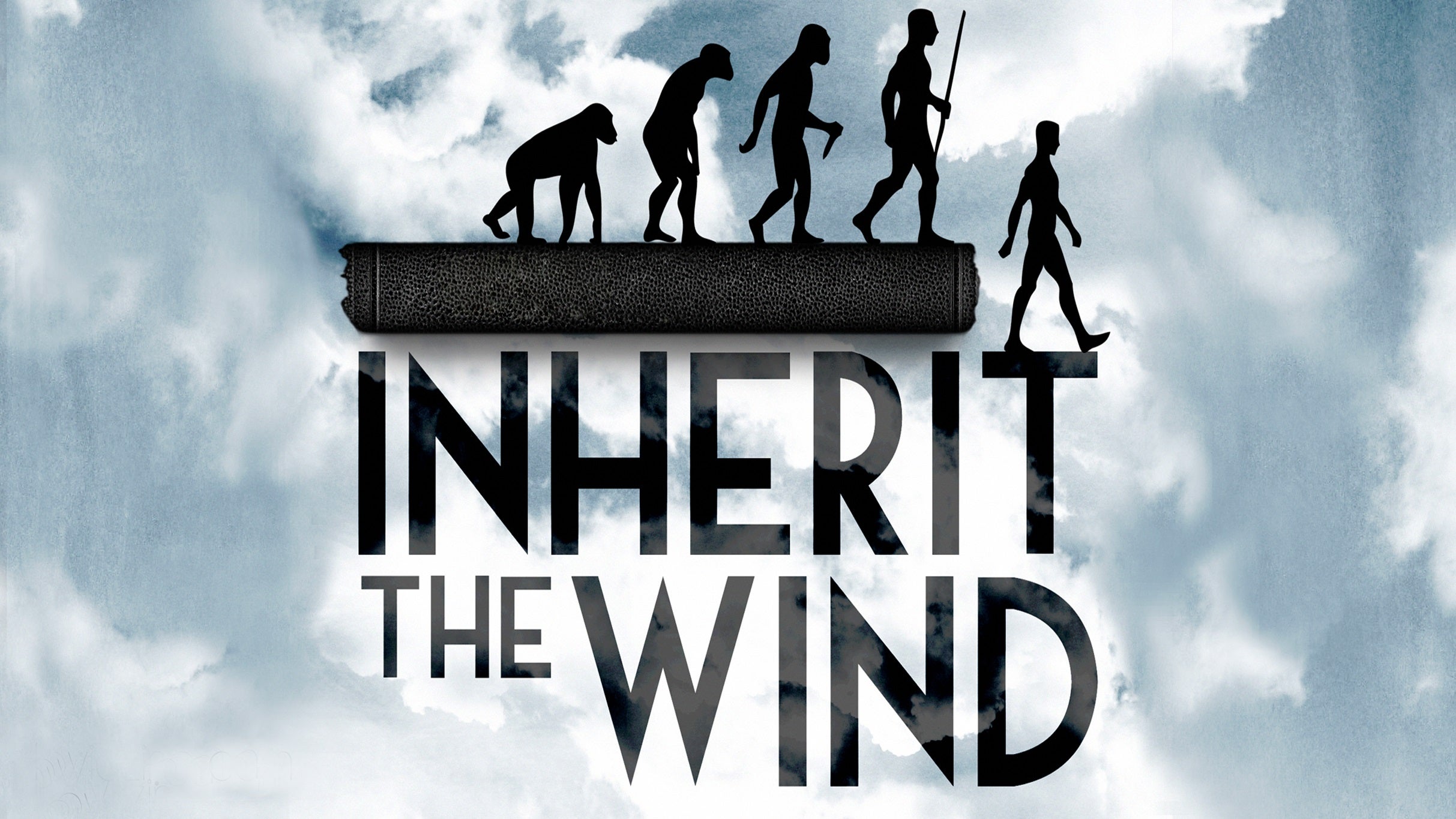
Mar. 27, 2026
Inherit the Wind