- Today
- Holidays
- Birthdays
- Reminders
- Cities
- Atlanta
- Austin
- Baltimore
- Berwyn
- Beverly Hills
- Birmingham
- Boston
- Brooklyn
- Buffalo
- Charlotte
- Chicago
- Cincinnati
- Cleveland
- Columbus
- Dallas
- Denver
- Detroit
- Fort Worth
- Houston
- Indianapolis
- Knoxville
- Las Vegas
- Los Angeles
- Louisville
- Madison
- Memphis
- Miami
- Milwaukee
- Minneapolis
- Nashville
- New Orleans
- New York
- Omaha
- Orlando
- Philadelphia
- Phoenix
- Pittsburgh
- Portland
- Raleigh
- Richmond
- Rutherford
- Sacramento
- Salt Lake City
- San Antonio
- San Diego
- San Francisco
- San Jose
- Seattle
- Tampa
- Tucson
- Washington
Iran Holds IAEA Meeting in Geneva Ahead of Renewed U.S. Nuclear Negotiations
Tehran signals willingness to discuss nuclear limits and sanctions relief as diplomatic efforts resume under mounting regional tensions.
Published on Feb. 16, 2026
Got story updates? Submit your updates here. ›
Iran's foreign minister met with the head of the United Nations nuclear watchdog in Geneva, days before a second round of negotiations with the United States over Tehran's nuclear program. The meeting with the IAEA director-general marks a notable development after Iran suspended full cooperation with the agency following its June conflict with Israel. Tehran has signaled a willingness to compromise on its nuclear program in exchange for sanctions relief, as the U.S. and Iran prepare to resume diplomatic efforts.
Why it matters
The renewed U.S.-Iran nuclear negotiations come amid heightened regional tensions, with the two countries engaging in a conflict in June and Iran warning it would respond if attacked by the U.S. The outcome of these talks could have significant implications for nuclear nonproliferation efforts and the stability of the Middle East.
The details
Iran's Foreign Minister Abbas Araghchi met with IAEA Director-General Rafael Grossi in Geneva, ahead of a second round of negotiations with the U.S. on Tuesday. Araghchi also said he would meet with the Omani Foreign Minister, as Oman had previously hosted indirect talks between Iran and the U.S. on February 6. Araghchi signaled Iran's willingness to discuss nuclear limits and sanctions relief, but emphasized that Iran's nuclear program is for peaceful purposes and that the 'ball is in America's court' to prove its sincerity in reaching a deal.
- The meeting with Grossi took place on Monday, February 16, 2026.
- The second round of U.S.-Iran negotiations is scheduled for Tuesday, February 17, 2026.
- The previous indirect talks between Iran and the U.S. hosted by Oman occurred on February 6, 2026.
The players
Abbas Araghchi
Iran's Foreign Minister who met with the IAEA director-general and said Iran has 'real ideas to achieve a fair and equitable deal' with the U.S.
Rafael Grossi
Director-General of the International Atomic Energy Agency (IAEA) who met with Iran's Foreign Minister.
Badr al-Busaidi
Omani Foreign Minister who previously hosted indirect talks between Iran and the U.S.
Majid Takht-Ravanchi
Iran's Deputy Foreign Minister who indicated Tehran could consider compromise but emphasized the need for sanctions relief.
Donald Trump
The former U.S. President who said the USS Gerald R. Ford aircraft carrier is being redeployed from the Caribbean to the Middle East to join other U.S. assets in the region.
What they’re saying
“I am in Geneva with real ideas to achieve a fair and equitable deal.”
— Abbas Araghchi, Iran's Foreign Minister (X)
“The ball is in America's court. They have to prove they want to have a deal with us. If we see a sincerity on their part, I am sure that we will be on a road to have an agreement.”
— Majid Takht-Ravanchi, Iran's Deputy Foreign Minister (BBC)
“We are ready to discuss this and other issues related to our program provided that they are also ready to talk about the sanctions.”
— Majid Takht-Ravanchi, Iran's Deputy Foreign Minister (BBC)
What’s next
The judge in the case will decide on Tuesday whether or not to allow Walker Reed Quinn out on bail.
The takeaway
The renewed U.S.-Iran nuclear negotiations highlight the delicate balance of diplomacy and regional tensions, with both sides signaling a willingness to compromise but also maintaining firm positions on key issues like uranium enrichment and sanctions relief. The outcome of these talks could have far-reaching implications for nuclear nonproliferation efforts and the stability of the Middle East.
Washington top stories

Washington events

Feb. 18, 2026
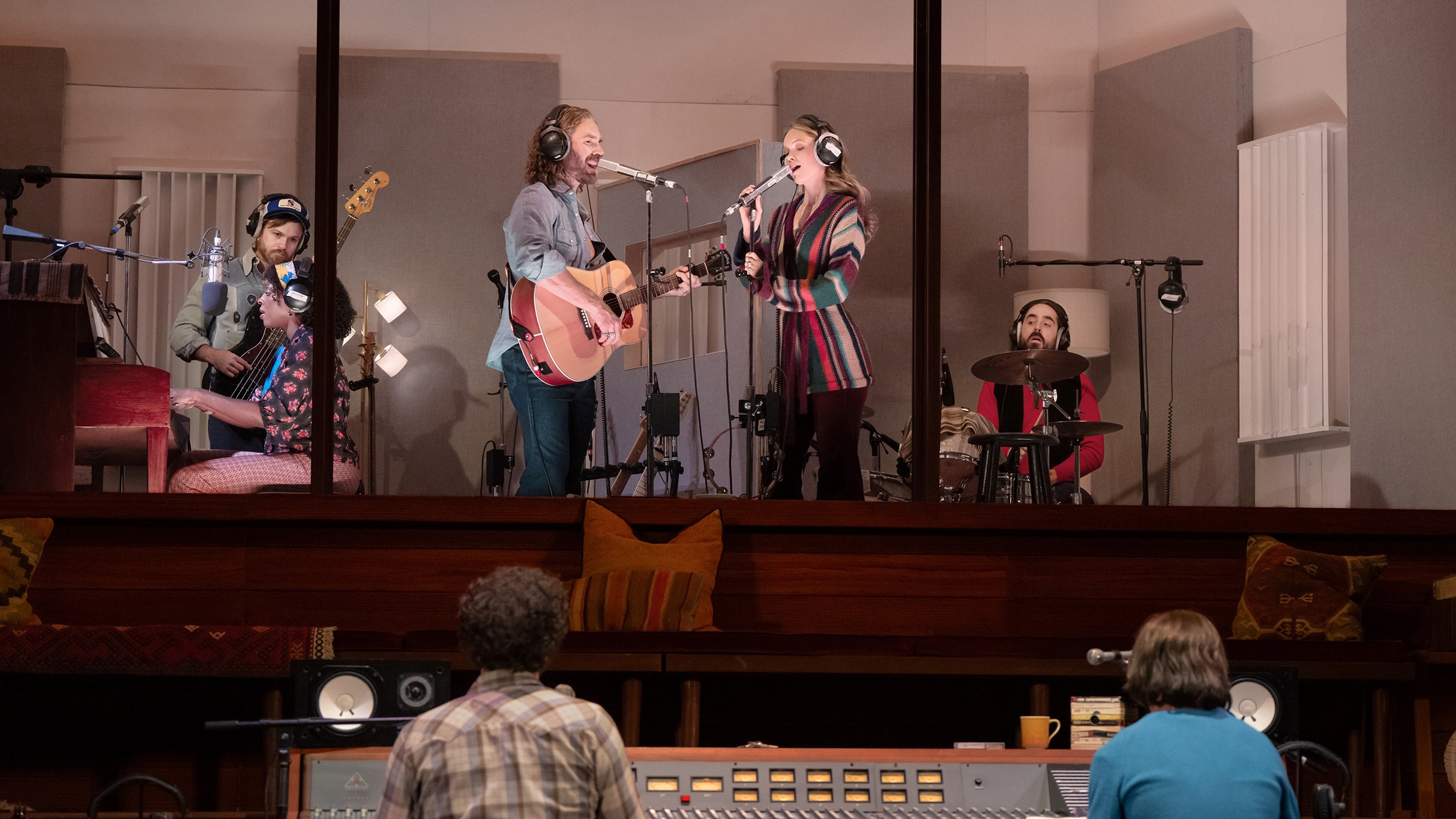
Stereophonic (Touring)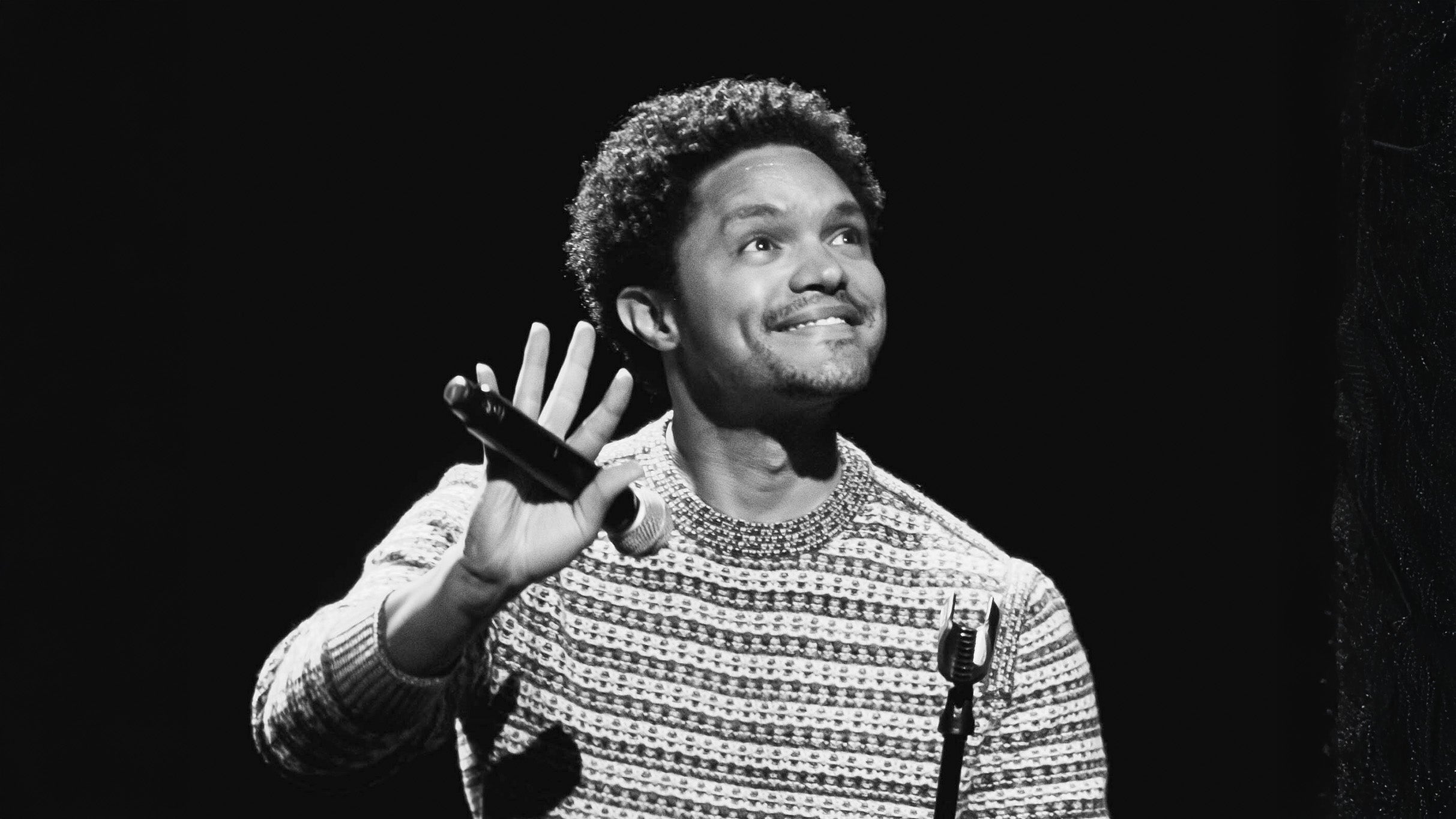
Feb. 18, 2026
Trevor Noah