- Today
- Holidays
- Birthdays
- Reminders
- Cities
- Atlanta
- Austin
- Baltimore
- Berwyn
- Beverly Hills
- Birmingham
- Boston
- Brooklyn
- Buffalo
- Charlotte
- Chicago
- Cincinnati
- Cleveland
- Columbus
- Dallas
- Denver
- Detroit
- Fort Worth
- Houston
- Indianapolis
- Knoxville
- Las Vegas
- Los Angeles
- Louisville
- Madison
- Memphis
- Miami
- Milwaukee
- Minneapolis
- Nashville
- New Orleans
- New York
- Omaha
- Orlando
- Philadelphia
- Phoenix
- Pittsburgh
- Portland
- Raleigh
- Richmond
- Rutherford
- Sacramento
- Salt Lake City
- San Antonio
- San Diego
- San Francisco
- San Jose
- Seattle
- Tampa
- Tucson
- Washington
Indian FM Rejects US Pressure on Russian Oil Imports
India will make its own decisions on energy imports, says Foreign Minister Jaishankar
Published on Feb. 14, 2026
Got story updates? Submit your updates here. ›
In response to a question about refusing Russian oil imports, Indian Foreign Minister Subrahmanyam Jaishankar stated that India will continue to make its own decisions on energy policy, even if those decisions do not always please the West. Jaishankar's comments reflect India's independent geopolitical positioning and unwillingness to bow to US pressure on its trade relations with Russia.
Why it matters
India's stance on Russian oil imports is a key point of tension between New Delhi and Washington, as the US has pushed for countries to reduce their energy ties with Moscow in response to the invasion of Ukraine. India's refusal to comply with US demands highlights its desire to maintain strategic autonomy and pursue its own interests, even if they conflict with Western priorities.
The details
The Indian government has faced pressure from the US to cut back on its purchases of Russian oil, with former President Trump claiming that India had agreed to a trade deal with the US in exchange for reducing Russian oil imports. However, Indian officials have consistently stated that they will make their own decisions on energy policy. Foreign Minister Jaishankar's latest comments reiterate this position, making clear that India will not simply defer to US preferences on this issue.
- On February 2, 2026, former US President Trump announced a trade deal with India that allegedly included a commitment to reduce Russian oil imports.
- On February 14, 2026, Foreign Minister Jaishankar made his remarks rejecting US pressure on Indian oil imports from Russia during the Munich Security Conference.
The players
Subrahmanyam Jaishankar
The current Minister of External Affairs of India, responsible for overseeing the country's foreign policy.
Narendra Modi
The Prime Minister of India, who allegedly reached a deal with former US President Trump to reduce Russian oil imports in exchange for lower US tariffs on Indian goods.
Donald Trump
The former President of the United States, who claimed that India had agreed to ban Russian oil imports as part of a trade deal with the US.
What they’re saying
“To answer your question, I can say that India will continue to make its own decisions, and these decisions will not always be to your liking. We understand this. You will have to come to terms with this.”
— Subrahmanyam Jaishankar, Minister of External Affairs of India
What’s next
It remains to be seen how the US will respond to India's continued refusal to comply with its demands on Russian oil imports, and whether this will further strain relations between the two countries.
The takeaway
India's unwavering stance on maintaining its strategic autonomy and independent decision-making on energy policy, even in the face of US pressure, underscores its growing global influence and desire to chart its own course on key geopolitical issues.
Washington top stories


Washington events
Feb. 16, 2026
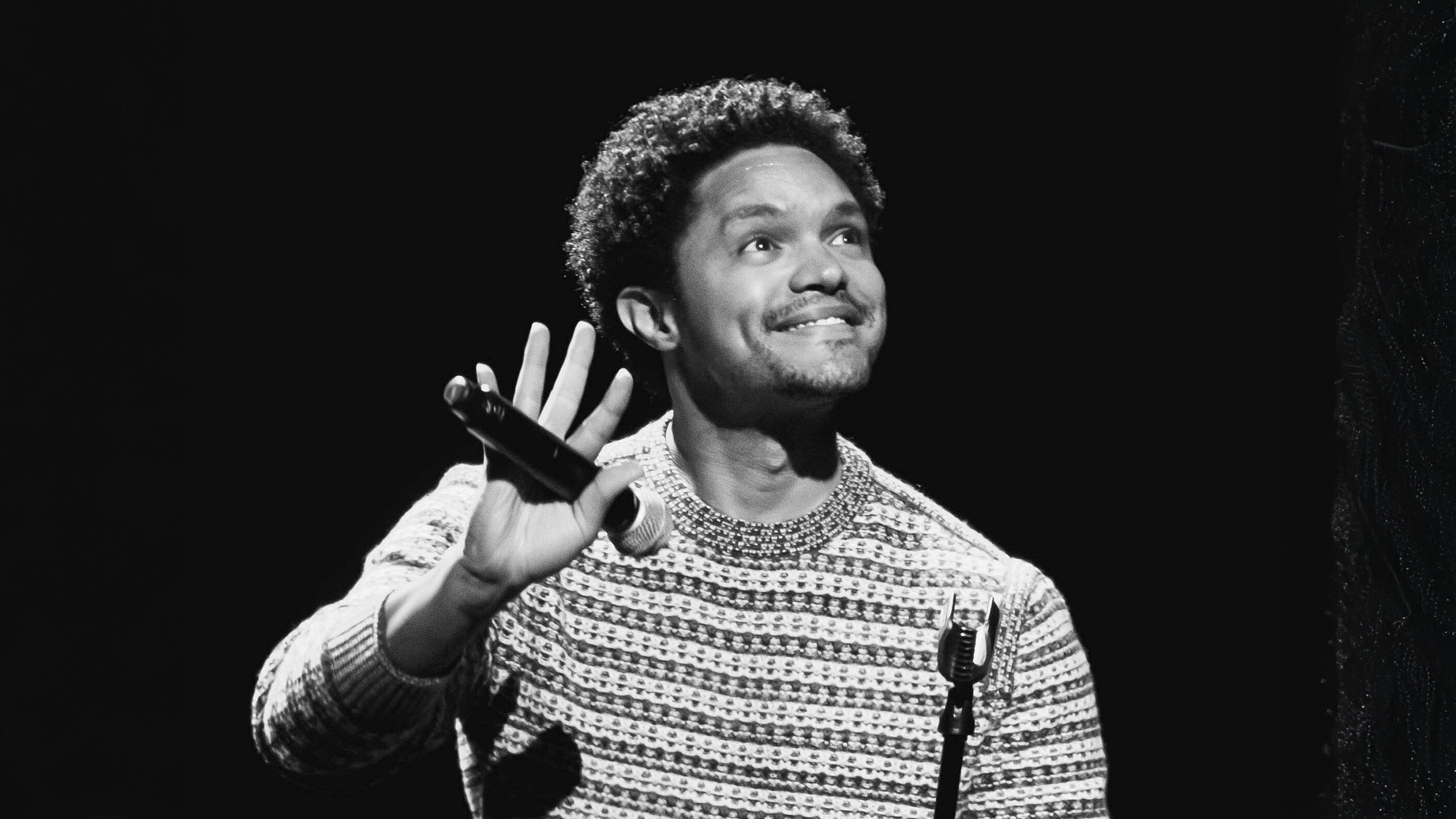
Trevor Noah
Feb. 17, 2026
Say She She: Cut & Rewind Tour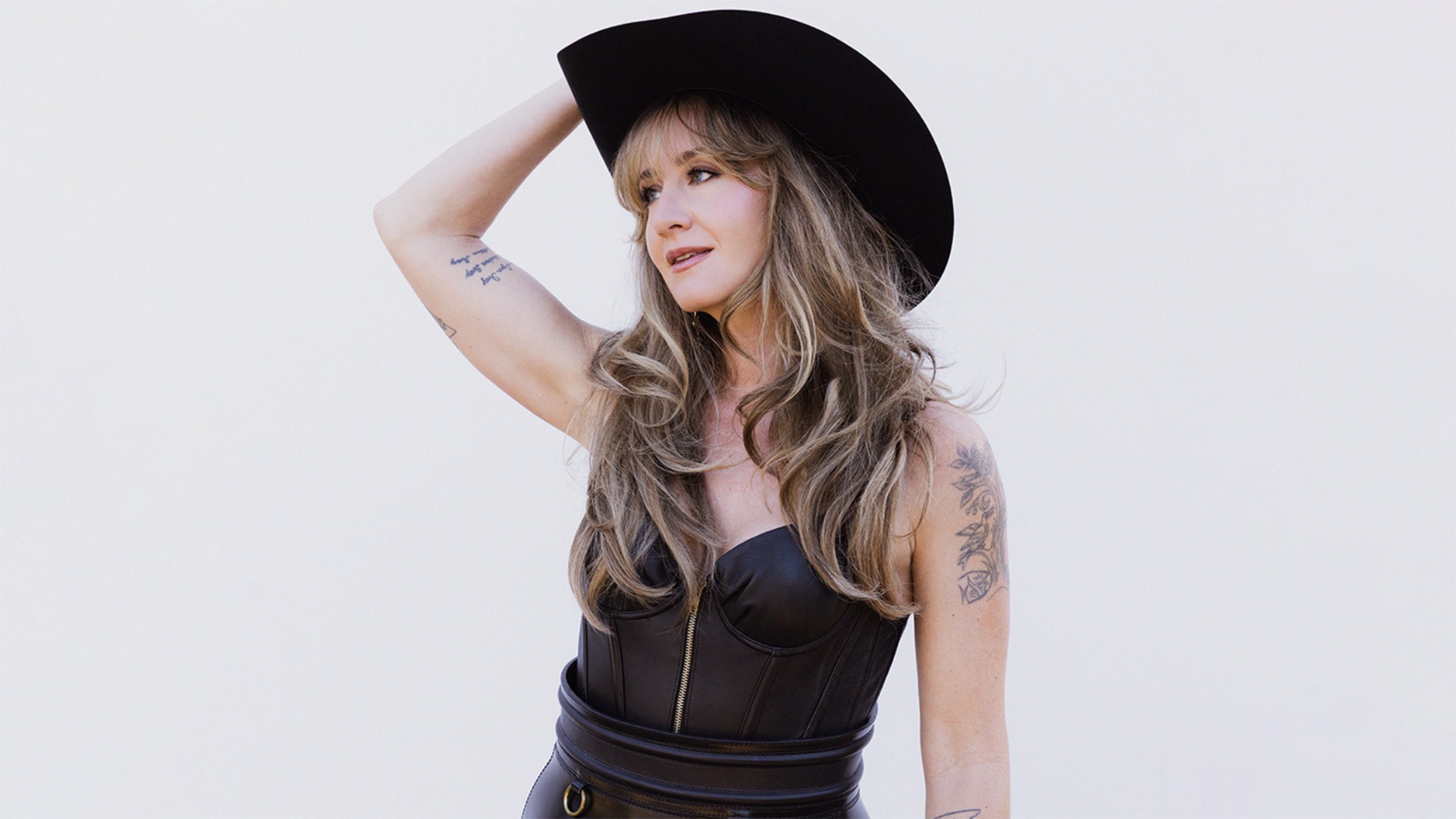
Feb. 17, 2026
Margo Price - Wild At Heart Tour