- Today
- Holidays
- Birthdays
- Reminders
- Cities
- Atlanta
- Austin
- Baltimore
- Berwyn
- Beverly Hills
- Birmingham
- Boston
- Brooklyn
- Buffalo
- Charlotte
- Chicago
- Cincinnati
- Cleveland
- Columbus
- Dallas
- Denver
- Detroit
- Fort Worth
- Houston
- Indianapolis
- Knoxville
- Las Vegas
- Los Angeles
- Louisville
- Madison
- Memphis
- Miami
- Milwaukee
- Minneapolis
- Nashville
- New Orleans
- New York
- Omaha
- Orlando
- Philadelphia
- Phoenix
- Pittsburgh
- Portland
- Raleigh
- Richmond
- Rutherford
- Sacramento
- Salt Lake City
- San Antonio
- San Diego
- San Francisco
- San Jose
- Seattle
- Tampa
- Tucson
- Washington
Trump Sues BBC Over Edited Jan. 6 Speech, Trial Set for 2027
Former president seeks $10 billion in damages over documentary's portrayal of his remarks.
Published on Feb. 13, 2026
Got story updates? Submit your updates here. ›
Former U.S. President Donald Trump has filed a $10 billion lawsuit against the BBC over the way the broadcaster edited and portrayed his speech on January 6, 2021, prior to the attack on the U.S. Capitol. A federal judge in Florida has rejected the BBC's attempt to delay the proceedings and has set a trial date for February 2027.
Why it matters
This lawsuit highlights the ongoing tensions between Trump and the media over coverage of the January 6th events, as well as broader debates around journalistic ethics, political bias, and the legal boundaries of free speech. The case could have significant implications for how the media reports on political figures and controversial events.
The details
In the lawsuit, Trump alleges that the BBC defamed him and engaged in unfair trade practices by selectively editing his January 6th speech to make it appear as though he was urging his supporters to "fight like hell" and march to the Capitol. The BBC has acknowledged the editing error and apologized, but maintains that it did not defame Trump. The judge has rejected the BBC's request to postpone the discovery process, which could require the broadcaster to turn over a significant amount of internal materials related to its coverage.
- Trump filed the lawsuit in December 2026.
- The federal judge set a trial date for February 2027.
The players
Donald Trump
The former President of the United States who filed the $10 billion lawsuit against the BBC.
BBC
The British national broadcaster that aired a documentary about Trump that included edited footage of his January 6th speech.
Judge Roy K. Altman
The federal judge overseeing the case in the Southern District of Florida.
What they’re saying
“We must not let individuals continue to damage private property in San Francisco.”
— Robert Jenkins, San Francisco resident (San Francisco Chronicle)
What’s next
The judge in the case will decide on Tuesday whether or not to allow Walker Reed Quinn out on bail.
The takeaway
This case highlights the ongoing tensions between Trump and the media over coverage of the January 6th events, as well as broader debates around journalistic ethics, political bias, and the legal boundaries of free speech. The outcome could have significant implications for how the media reports on political figures and controversial events.
Washington top stories


Washington events
Feb. 16, 2026
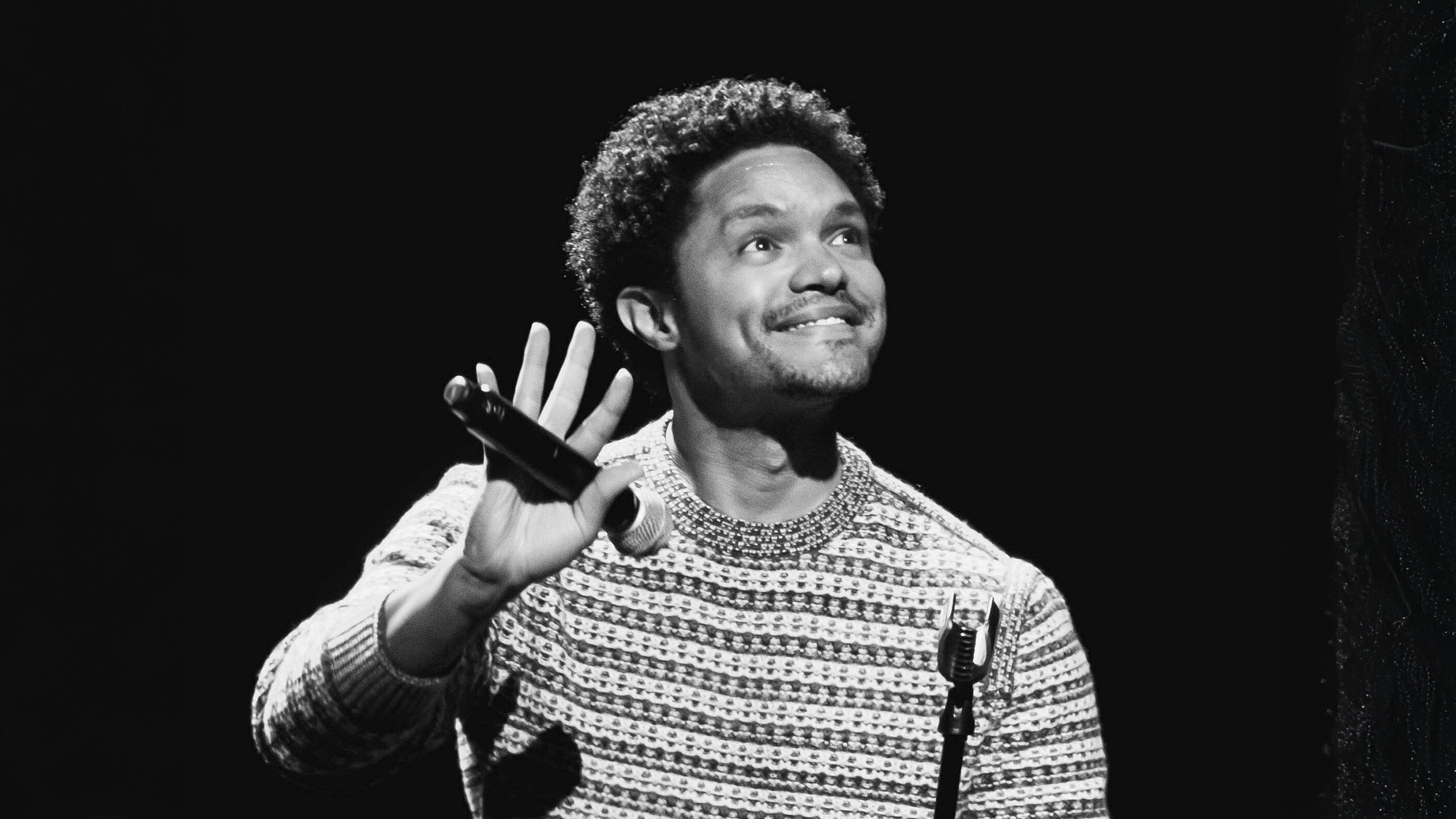
Trevor Noah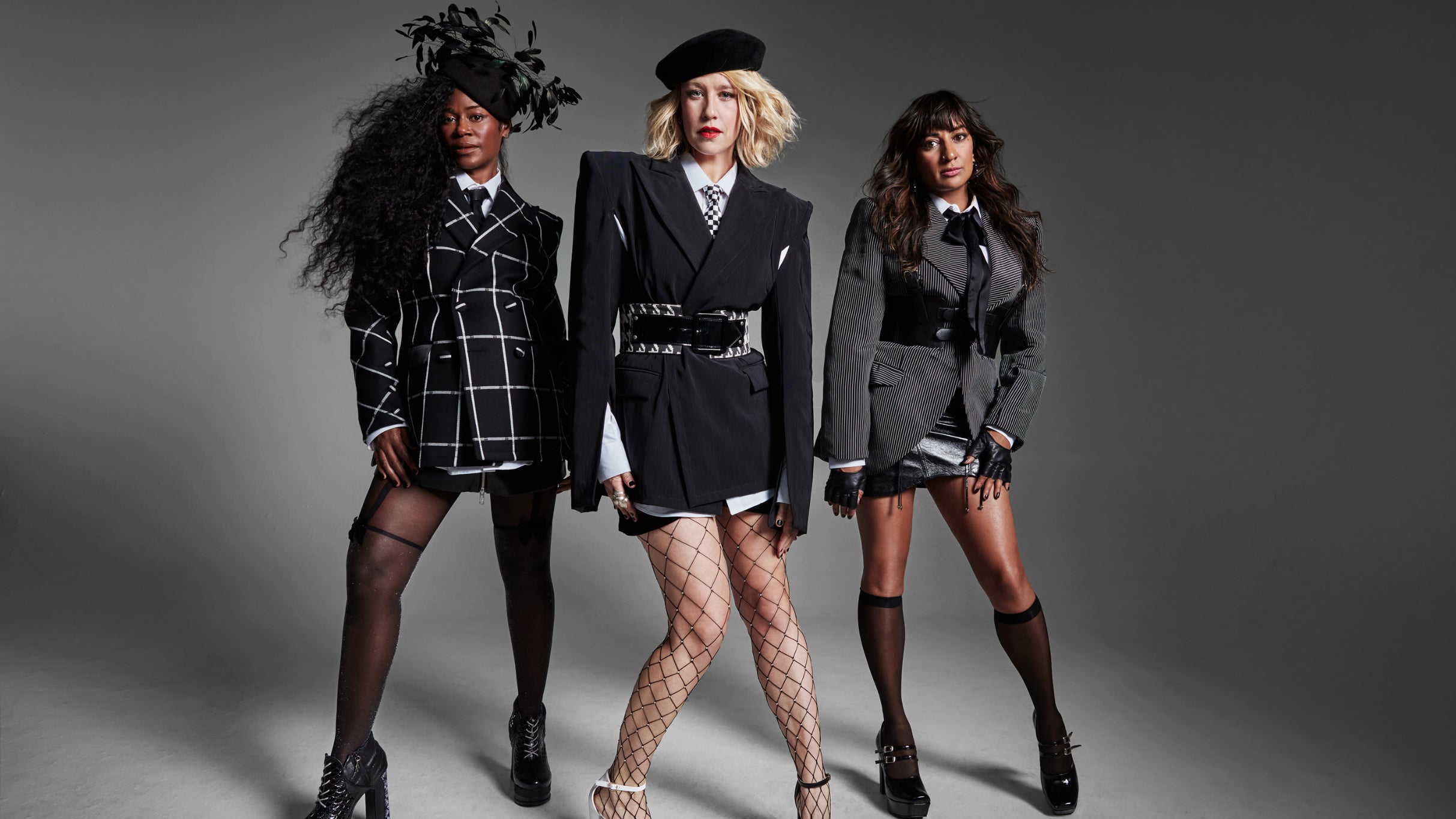
Feb. 17, 2026
Say She She: Cut & Rewind Tour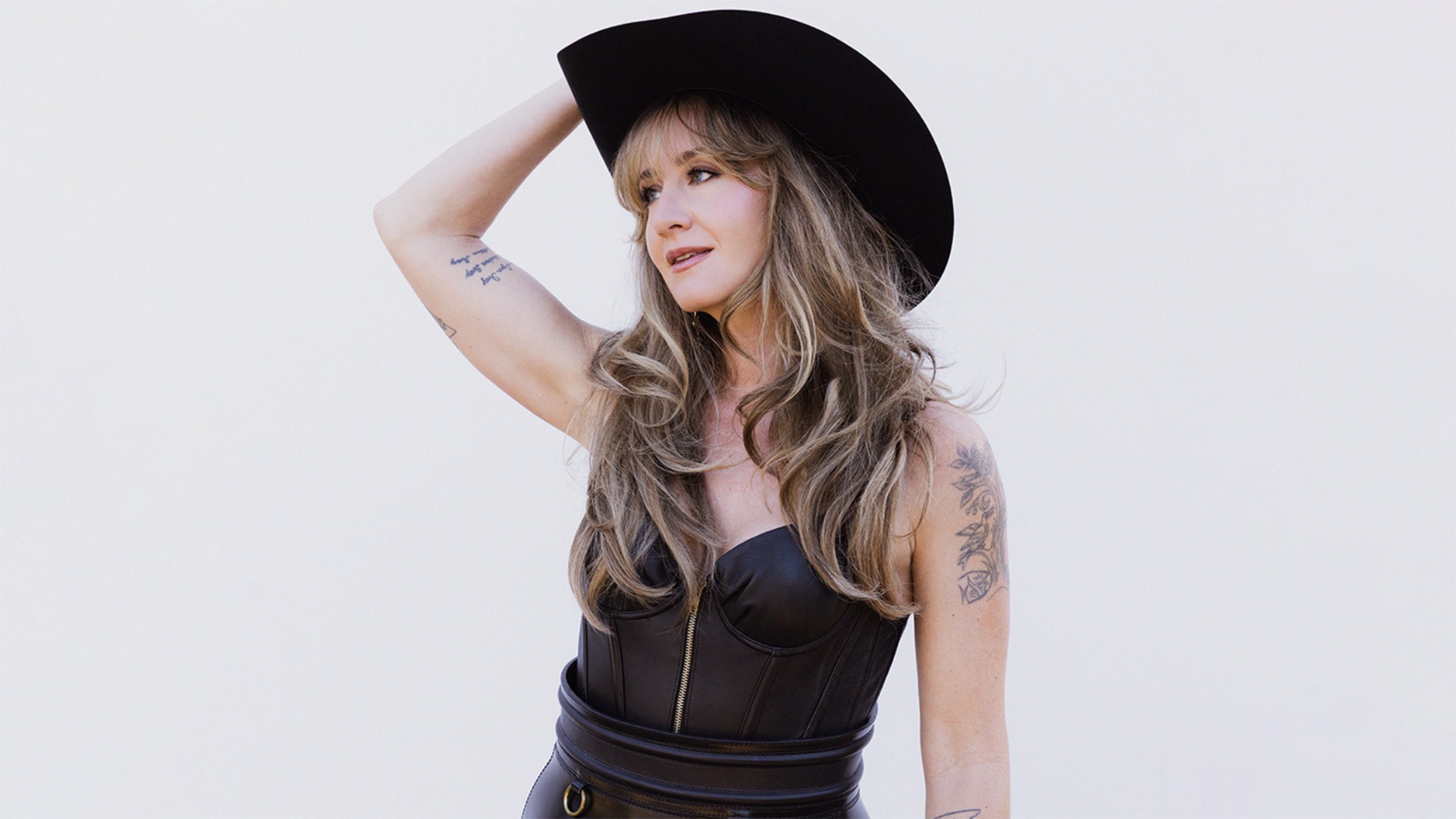
Feb. 17, 2026
Margo Price - Wild At Heart Tour