- Today
- Holidays
- Birthdays
- Reminders
- Cities
- Atlanta
- Austin
- Baltimore
- Berwyn
- Beverly Hills
- Birmingham
- Boston
- Brooklyn
- Buffalo
- Charlotte
- Chicago
- Cincinnati
- Cleveland
- Columbus
- Dallas
- Denver
- Detroit
- Fort Worth
- Houston
- Indianapolis
- Knoxville
- Las Vegas
- Los Angeles
- Louisville
- Madison
- Memphis
- Miami
- Milwaukee
- Minneapolis
- Nashville
- New Orleans
- New York
- Omaha
- Orlando
- Philadelphia
- Phoenix
- Pittsburgh
- Portland
- Raleigh
- Richmond
- Rutherford
- Sacramento
- Salt Lake City
- San Antonio
- San Diego
- San Francisco
- San Jose
- Seattle
- Tampa
- Tucson
- Washington
Yampa Today
By the People, for the People
Yampa Basin Faces Historic Water Shortage
Snowpack and soil moisture levels plummet amid ongoing drought
Apr. 2, 2026 at 7:47pm
Got story updates? Submit your updates here. ›
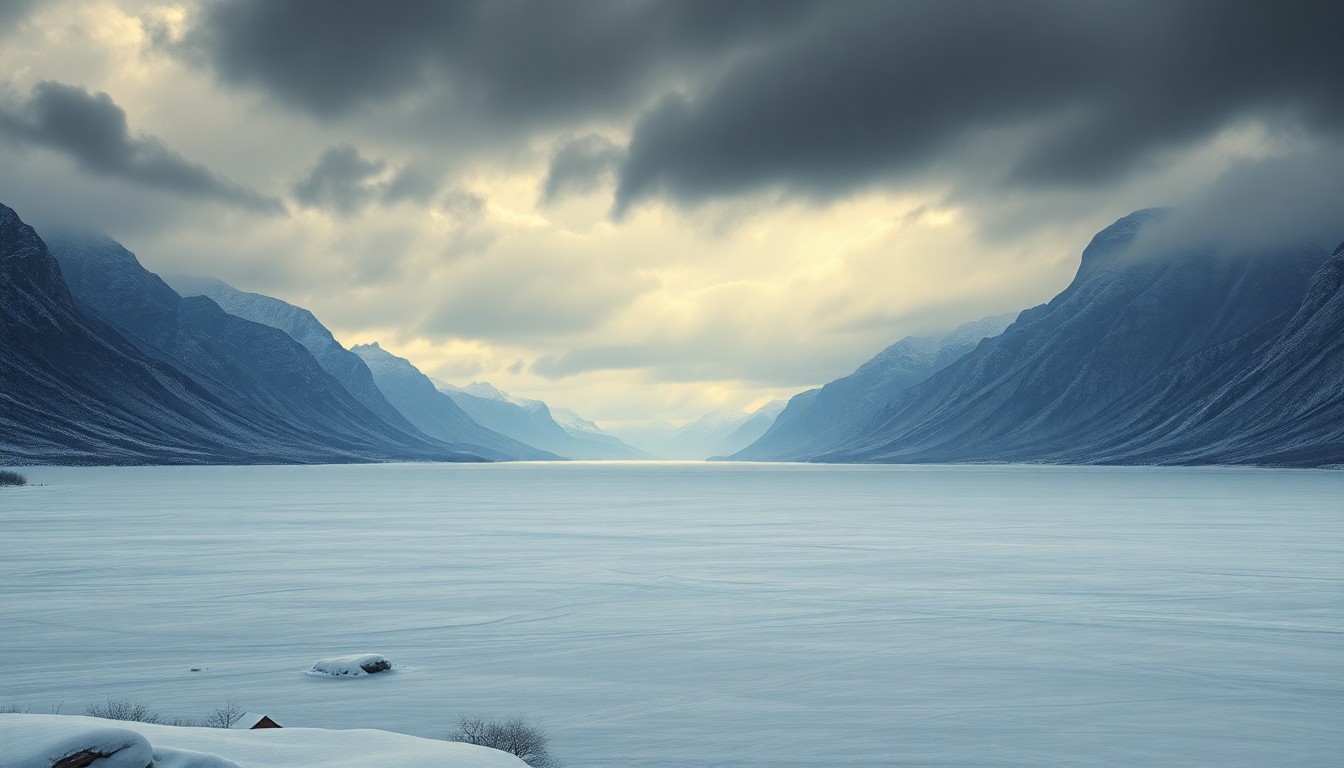 The Yampa Basin's dwindling snowpack and soil moisture levels foreshadow a looming water crisis in this critical Colorado watershed.Yampa Today
The Yampa Basin in Colorado is experiencing a severe water crisis, with snowpack levels measuring just 32% of the median as of March 30, 2026. This follows decades of continued drought in the region, leading to historically low snow-water equivalent (SWE) and dry soil conditions.
Why it matters
The Yampa Basin is a critical water source for agriculture, recreation, and municipal use in northwestern Colorado. This drastic decline in snowpack and soil moisture threatens the region's water supply and could have far-reaching impacts on the local economy and environment.
The details
The Yampa Basin's snow-water equivalent, a key metric for measuring snowpack, is currently at only 32% of the median level. This dramatic drop in snowpack, coupled with persistently dry soil conditions after years of drought, has created an unprecedented water shortage in the region.
- As of March 30, 2026, the Yampa Basin's snow-water equivalent is measuring 32% of median.
- The Yampa Basin has experienced decades of continued drought leading up to this water crisis.
The players
Yampa Basin
A critical water source for agriculture, recreation, and municipal use in northwestern Colorado.
What’s next
Local and state officials are expected to implement emergency water conservation measures and consider long-term strategies to address the region's chronic water scarcity.
The takeaway
This water crisis in the Yampa Basin underscores the urgent need for comprehensive water management and conservation efforts across Colorado and the American West to address the growing impacts of climate change and prolonged drought.