- Today
- Holidays
- Birthdays
- Reminders
- Cities
- Atlanta
- Austin
- Baltimore
- Berwyn
- Beverly Hills
- Birmingham
- Boston
- Brooklyn
- Buffalo
- Charlotte
- Chicago
- Cincinnati
- Cleveland
- Columbus
- Dallas
- Denver
- Detroit
- Fort Worth
- Houston
- Indianapolis
- Knoxville
- Las Vegas
- Los Angeles
- Louisville
- Madison
- Memphis
- Miami
- Milwaukee
- Minneapolis
- Nashville
- New Orleans
- New York
- Omaha
- Orlando
- Philadelphia
- Phoenix
- Pittsburgh
- Portland
- Raleigh
- Richmond
- Rutherford
- Sacramento
- Salt Lake City
- San Antonio
- San Diego
- San Francisco
- San Jose
- Seattle
- Tampa
- Tucson
- Washington
Experimental Injection Aims to Reverse Osteoarthritis
University of Colorado Boulder researchers develop a drug-delivery system to trigger the body's natural healing abilities.
Apr. 13, 2026 at 1:43am
Got story updates? Submit your updates here. ›
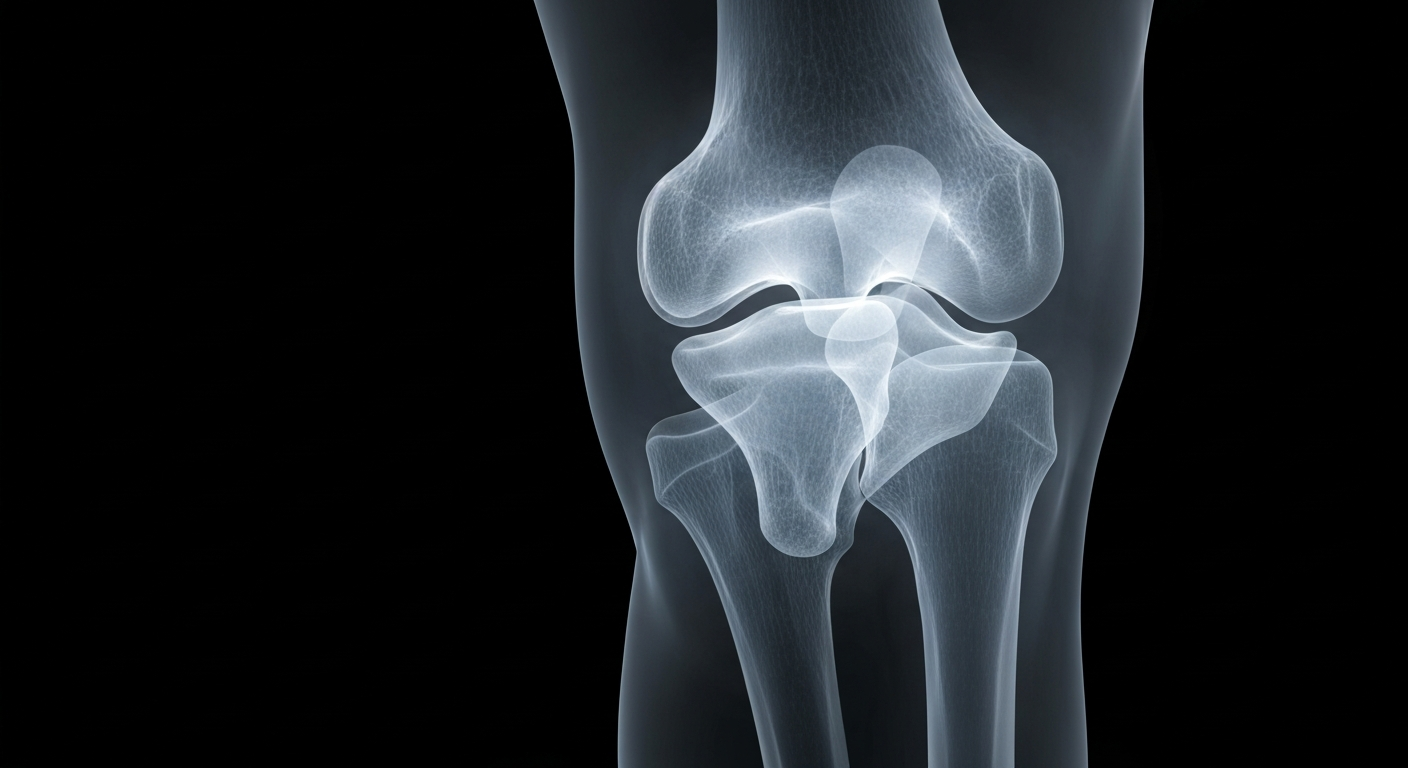 An experimental injection aims to trigger the body's natural healing abilities and reverse the debilitating effects of osteoarthritis.Boulder Today
Researchers at the University of Colorado Boulder are working on a revolutionary treatment for osteoarthritis that involves a single injection to prompt the body's own cells to repair damaged joints. The approach uses an engineered drug-delivery system to slowly release a therapeutic payload, triggering a repair process that could effectively reverse the debilitating effects of osteoarthritis.
Why it matters
Current treatments for osteoarthritis are limited to managing pain or undergoing major joint replacement surgery. This new research offers a non-invasive, regenerative approach that harnesses the body's innate healing abilities, potentially providing a much-needed alternative for the millions suffering from this chronic condition.
The details
The team's innovation lies in their engineered drug-delivery system, designed to slowly release a therapeutic payload into the affected joint. This triggers a repair process, coaxing cartilage and bone cells to regenerate. They are also developing an injectable implant that acts as a scaffold, recruiting the body's cells to repair cartilage gaps. This dual approach aims to cater to different stages of osteoarthritis, from mild cartilage loss to complete absence of cartilage.
- The initial animal experiments have been successful.
- The team must now navigate the complex path of further animal testing, toxicology studies, and eventually human clinical trials.
The players
University of Colorado Boulder
A public research university located in Boulder, Colorado, known for its innovative research in various fields, including regenerative medicine.
What’s next
The team must now navigate the complex path of further animal testing, toxicology studies, and eventually human clinical trials before the treatment can be approved for public use.
The takeaway
This research showcases the potential for regenerative medicine to transform how we approach chronic conditions like osteoarthritis. By understanding and harnessing the body's natural repair mechanisms, the team is offering a promising solution that could provide relief and improved mobility for millions of people suffering from this debilitating condition.
Boulder top stories



Boulder events
Apr. 15, 2026
saturdays at your place w/ Retirement Party
Apr. 17, 2026
Shreklesque - The Burlesque Parody
Apr. 17, 2026
Disco Lines