- Today
- Holidays
- Birthdays
- Reminders
- Cities
- Atlanta
- Austin
- Baltimore
- Berwyn
- Beverly Hills
- Birmingham
- Boston
- Brooklyn
- Buffalo
- Charlotte
- Chicago
- Cincinnati
- Cleveland
- Columbus
- Dallas
- Denver
- Detroit
- Fort Worth
- Houston
- Indianapolis
- Knoxville
- Las Vegas
- Los Angeles
- Louisville
- Madison
- Memphis
- Miami
- Milwaukee
- Minneapolis
- Nashville
- New Orleans
- New York
- Omaha
- Orlando
- Philadelphia
- Phoenix
- Pittsburgh
- Portland
- Raleigh
- Richmond
- Rutherford
- Sacramento
- Salt Lake City
- San Antonio
- San Diego
- San Francisco
- San Jose
- Seattle
- Tampa
- Tucson
- Washington
Arvada Today
By the People, for the People
Arvada Center Hosts Exhibit on Rocky Flats Nuclear Plant History
Local artist Jeff Gipe's multidisciplinary work explores the legacy of the controversial nuclear weapons facility.
Apr. 13, 2026 at 9:50pm
Got story updates? Submit your updates here. ›
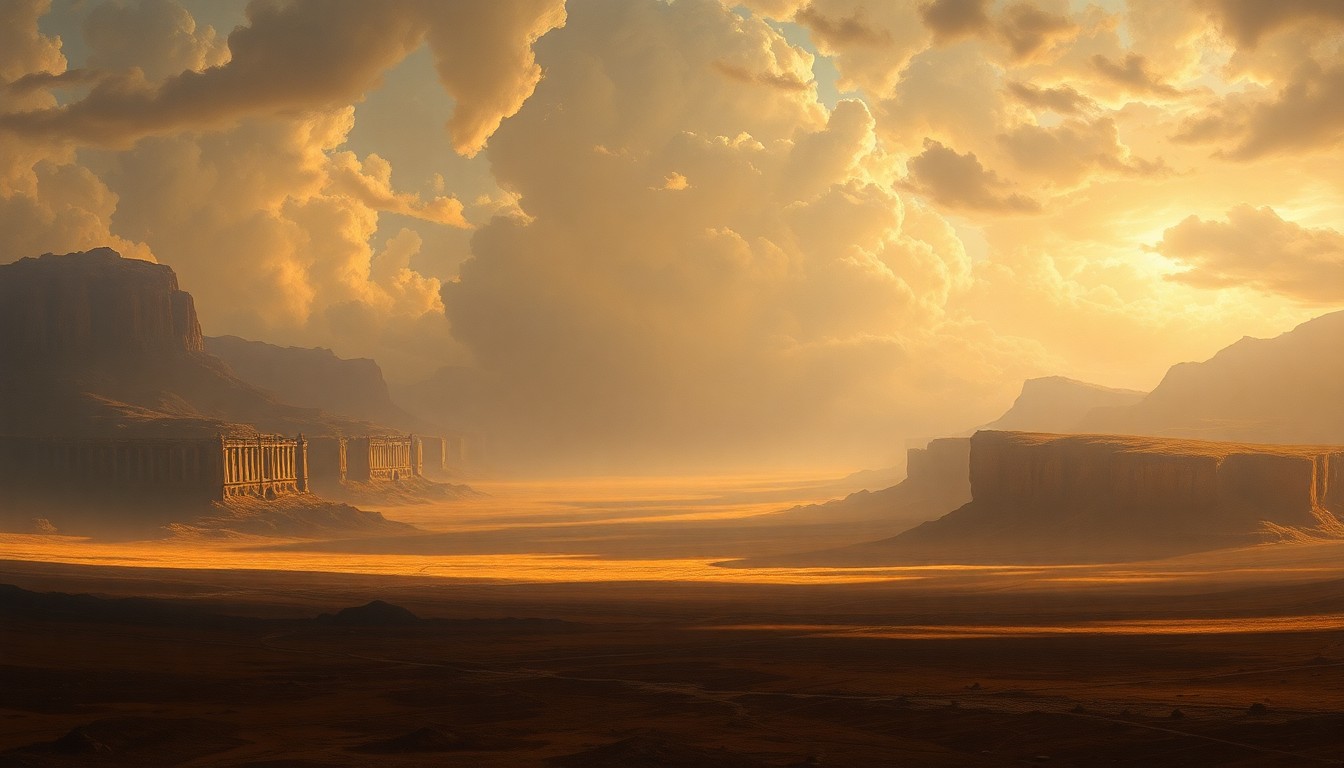
 An abstract artistic rendering of the complex environmental and social impacts of the Rocky Flats nuclear weapons plant, whose troubled history is explored in a new Arvada Center exhibit.Arvada Today
The Arvada Center is hosting a new exhibit by local artist Jeff Gipe that explores the history and environmental impact of the Rocky Flats nuclear weapons plant, which operated near Arvada, Colorado from 1951 to 1992. The exhibit, titled 'Half-Life of Memory - America's Forgotten Atomic Bomb Factory,' features Gipe's sculptures, artifacts, and a screening of his documentary film on the topic. Gipe grew up near Rocky Flats and has spent over a decade researching and creating art about the plant's troubled history of fires, leaks, and illegal dumping that contaminated the surrounding environment and harmed worker health.
Why it matters
The Rocky Flats plant was a major center of nuclear weapons production during the Cold War, but its environmental and worker safety record has left a troubling legacy in the Arvada community. Gipe's exhibit aims to raise awareness about this often overlooked chapter of local history and the ongoing impacts on the surrounding area.
The details
Gipe's exhibit at the Arvada Center will feature his sculptures, artifacts from Rocky Flats, and a screening of his 2024 documentary film also titled 'Half-Life of Memory.' The exhibit will explore the history of the plant, which produced 70,000 plutonium triggers for nuclear weapons but failed to properly protect workers or the environment. Fires, leaks, and illegal dumping at the site led to widespread contamination and health issues for plant employees, many of whom were denied benefits after the plant's closure in 1992 following an FBI raid.
- The 'Half-Life of Memory' exhibit will be on display at the Arvada Center from April 10 to May 10, 2026.
- A screening of Gipe's documentary film will take place on April 26, 2026 at 6 p.m., preceded by a 'walk and talk' with the artist at 5 p.m.
The players
Jeff Gipe
A local artist from Arvada, Colorado who grew up near the Rocky Flats nuclear plant and has spent over a decade researching and creating art about the plant's troubled history.
Philip Sneed
The CEO of the Arvada Center, who agreed to host Gipe's exhibit highlighting the Rocky Flats story.
What they’re saying
“There's this incredible history — the center of the nuclear weapons complex, right there, they produce 70,000 plutonium pits which, in themselves, are an atomic weapon; a plutonium bomb. And since then, I've been focused on it, trying to learn more. And I thought it was such an important issue, especially locally, for us to continue to talk about and acknowledge.”
— Jeff Gipe, Artist
“It really means a lot to be able to show it, especially in Arvada, where I grew up, where the most impacted downwind community (lives), and so many former workers are from this area and families (reside). This is kind of the ideal place, out of anywhere in the world, to show this work.”
— Jeff Gipe, Artist
What’s next
The exhibit at the Arvada Center will be open to the public from April 10 to May 10, 2026. The documentary film screening is scheduled for April 26, 2026 at 6 p.m., preceded by a 'walk and talk' with artist Jeff Gipe at 5 p.m.
The takeaway
This exhibit shines a light on an often overlooked chapter of Colorado history, highlighting the environmental and public health impacts of the Rocky Flats nuclear weapons plant. By sharing this story through art, Gipe hopes to inspire the Arvada community and beyond to learn more about this troubling legacy and its ongoing effects.
Arvada top stories

Arvada events

Apr. 15, 2026
Come from Away (Touring)
Apr. 16, 2026
Come from Away (Touring)
Apr. 17, 2026
Come from Away (Touring)