- Today
- Holidays
- Birthdays
- Reminders
- Cities
- Atlanta
- Austin
- Baltimore
- Berwyn
- Beverly Hills
- Birmingham
- Boston
- Brooklyn
- Buffalo
- Charlotte
- Chicago
- Cincinnati
- Cleveland
- Columbus
- Dallas
- Denver
- Detroit
- Fort Worth
- Houston
- Indianapolis
- Knoxville
- Las Vegas
- Los Angeles
- Louisville
- Madison
- Memphis
- Miami
- Milwaukee
- Minneapolis
- Nashville
- New Orleans
- New York
- Omaha
- Orlando
- Philadelphia
- Phoenix
- Pittsburgh
- Portland
- Raleigh
- Richmond
- Rutherford
- Sacramento
- Salt Lake City
- San Antonio
- San Diego
- San Francisco
- San Jose
- Seattle
- Tampa
- Tucson
- Washington
Stanford Study Offers Hope for Reversing Arthritis Through Cartilage Regeneration
Researchers target aging enzyme to unlock the body's natural repair mechanisms and restore joint health
Apr. 11, 2026 at 1:10am
Got story updates? Submit your updates here. ›
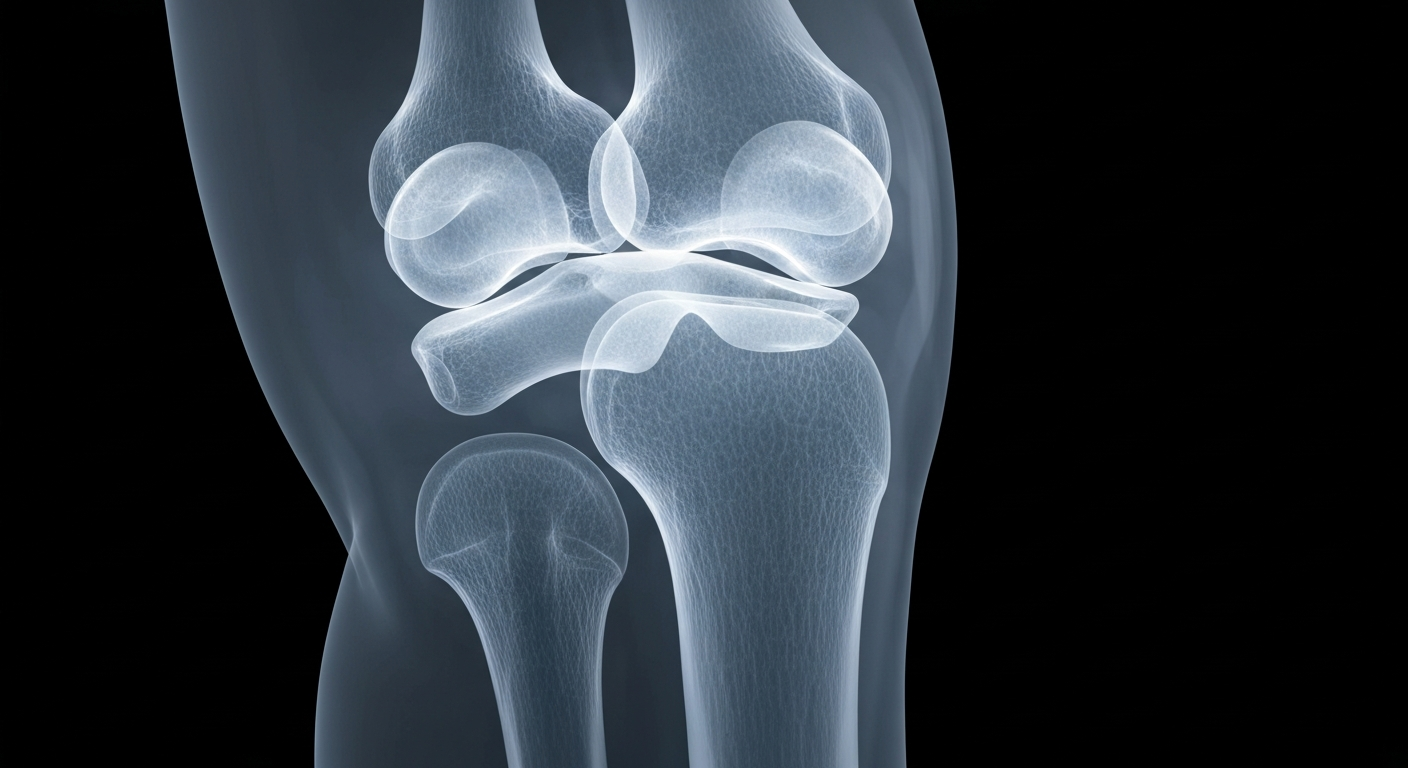 A groundbreaking study suggests the possibility of reversing the effects of aging on joint cartilage, offering new hope for those suffering from osteoarthritis.Stanford Today
A groundbreaking study from Stanford University has uncovered a potential new approach to treating arthritis by targeting the aging process itself. The researchers found that inhibiting a specific enzyme, 15-PGDH, can stimulate the body's own cartilage regeneration capabilities, potentially reversing joint damage and restoring tissue quality. This novel strategy challenges the traditional view of aging as an inevitable decline, instead positioning it as a modifiable process that could unlock new avenues for treating debilitating joint diseases.
Why it matters
Current arthritis treatments focus on managing symptoms and delaying joint replacements, but this research offers the tantalizing prospect of actually reversing the underlying cartilage degeneration. If validated in human trials, this approach could shift the paradigm of joint care from late-stage intervention to early, proactive preservation of healthy tissue. The implications extend beyond just arthritis, hinting at a broader rethinking of how we approach age-related diseases.
The details
The Stanford team used a small-molecule inhibitor to reduce the activity of the 15-PGDH enzyme in aged mice, which allowed the natural regenerative signaling of prostaglandin E2 (PGE2) to take effect. This led to notable thickening and restoration of cartilage quality, as well as reduced progression to osteoarthritis in injury models. Remarkably, the treatment appeared to 'reeducate' existing cartilage cells, reprogramming their gene expression towards a younger, healthier profile.
- The study was published in April 2026.
- The small-molecule inhibitor used in the research has already cleared Phase 1 safety testing for another age-related condition, providing a potential fast-track to human trials for joint applications.
The players
Stanford University
The prestigious research institution where the groundbreaking study on cartilage regeneration was conducted.
What’s next
The researchers will need to conduct robust human trials to validate the safety and efficacy of this approach, as well as address questions around optimal timing, patient selection, and potential side effects. If successful, this could pave the way for a paradigm shift in how we manage age-related joint diseases.
The takeaway
This research challenges the conventional view of aging as an inevitable decline, instead positioning it as a modifiable process that could unlock new avenues for treating debilitating joint diseases. By targeting the underlying biology of cartilage degeneration, the approach offers hope for reversing arthritis and preserving joint health, potentially transforming the economics and outcomes of joint care.
Stanford top stories


Stanford events



Apr. 16, 2026
David Byrne