- Today
- Holidays
- Birthdays
- Reminders
- Cities
- Atlanta
- Austin
- Baltimore
- Berwyn
- Beverly Hills
- Birmingham
- Boston
- Brooklyn
- Buffalo
- Charlotte
- Chicago
- Cincinnati
- Cleveland
- Columbus
- Dallas
- Denver
- Detroit
- Fort Worth
- Houston
- Indianapolis
- Knoxville
- Las Vegas
- Los Angeles
- Louisville
- Madison
- Memphis
- Miami
- Milwaukee
- Minneapolis
- Nashville
- New Orleans
- New York
- Omaha
- Orlando
- Philadelphia
- Phoenix
- Pittsburgh
- Portland
- Raleigh
- Richmond
- Rutherford
- Sacramento
- Salt Lake City
- San Antonio
- San Diego
- San Francisco
- San Jose
- Seattle
- Tampa
- Tucson
- Washington
Researchers Pursue Functional Cure for Type 1 Diabetes
Stem cell therapies and immune-modulating drugs show promise in restoring insulin production and preventing autoimmune attacks.
Apr. 6, 2026 at 4:10pm
Got story updates? Submit your updates here. ›
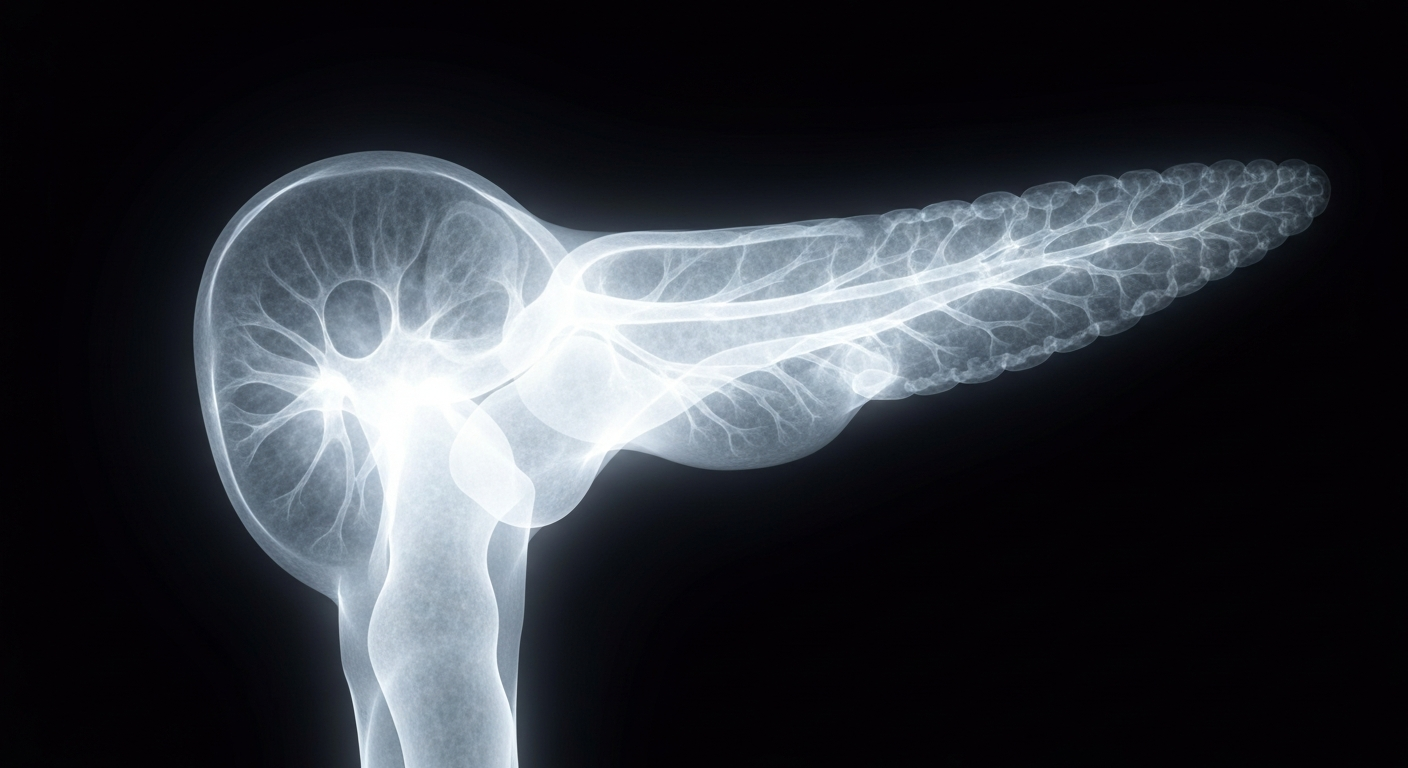 Cutting-edge medical research is exploring new ways to restore the body's natural insulin production and protect against the autoimmune attacks that cause type 1 diabetes.Stanford Today
Medical research into type 1 diabetes is shifting toward the possibility of a functional cure through a combination of stem cell therapies and immune-modulating drugs. Current strategies are focusing on delaying disease progression in high-risk individuals and restoring insulin-producing beta cells in those already diagnosed. Significant advancements include the use of the monoclonal antibody teplizumab and experimental therapies pairing stem cell-derived insulin cells with engineered immune cells.
Why it matters
A functional cure for type 1 diabetes could eliminate the need for daily insulin injections and dramatically improve quality of life for millions of people living with the chronic condition. Researchers are pursuing a multi-pronged approach to both delay the onset of the disease and restore the body's ability to produce insulin.
The details
One key advancement is the use of teplizumab, a monoclonal antibody approved in late 2022 that is designed to slow or potentially halt the progression of type 1 diabetes in individuals at stage 2 of the disease. In one clinical case, a girl who began taking the drug in 2011 delayed the progression to stage 3 for nearly a decade. For those who have already progressed to insulin dependency, researchers at the Medical University of South Carolina are developing a therapy to rebuild insulin cells while training the immune system to tolerate them. Separate research from Stanford Medicine has demonstrated a potential immune system reset in animal models, successfully preventing or curing type 1 diabetes in mice through a combination of blood stem cell and pancreatic islet cell transplants.
- Teplizumab was approved in late 2022.
- A girl began taking teplizumab in 2011 and delayed progression to stage 3 diabetes for nearly a decade.
- The Stanford Medicine study was published online on November 18, 2025.
The players
Kevan Herold
A Yale University endocrinologist who reported on a clinical case where a girl delayed the progression of type 1 diabetes for nearly a decade after taking teplizumab.
Leonardo Ferreira, Ph.D.
A researcher at the Medical University of South Carolina leading a project to pair stem cell-derived insulin-producing cells with custom-engineered immune cells to prevent the immune system from destroying the transplanted cells.
Seung K. Kim, MD, PhD
A professor at Stanford Medicine and senior author of a study that successfully prevented or cured type 1 diabetes in mice using a combination of blood stem cell and pancreatic islet cell transplants.
What they’re saying
“These awards support the most promising work that can significantly advance the path to cures for type 1 diabetes.”
— Leonardo Ferreira, Ph.D., Researcher, Medical University of South Carolina
What’s next
The Stanford findings are currently limited to mice, and the MUSC therapy is still in development. However, the combination of disease-delaying drugs like teplizumab and new cellular engineering techniques suggests a multi-pronged approach to ending insulin dependency is on the horizon.
The takeaway
Researchers are making significant progress toward a functional cure for type 1 diabetes, with a focus on both delaying disease progression and restoring the body's ability to produce insulin. These advancements could dramatically improve the lives of millions of people living with the chronic condition.