- Today
- Holidays
- Birthdays
- Reminders
- Cities
- Atlanta
- Austin
- Baltimore
- Berwyn
- Beverly Hills
- Birmingham
- Boston
- Brooklyn
- Buffalo
- Charlotte
- Chicago
- Cincinnati
- Cleveland
- Columbus
- Dallas
- Denver
- Detroit
- Fort Worth
- Houston
- Indianapolis
- Knoxville
- Las Vegas
- Los Angeles
- Louisville
- Madison
- Memphis
- Miami
- Milwaukee
- Minneapolis
- Nashville
- New Orleans
- New York
- Omaha
- Orlando
- Philadelphia
- Phoenix
- Pittsburgh
- Portland
- Raleigh
- Richmond
- Rutherford
- Sacramento
- Salt Lake City
- San Antonio
- San Diego
- San Francisco
- San Jose
- Seattle
- Tampa
- Tucson
- Washington
Santa Ynez Today
By the People, for the People
What Happened When We Ran Out of Oil? A 1970s Cold Wake-Up Call
The current oil crisis echoes the past, exposing vulnerabilities and the need for energy security
Apr. 12, 2026 at 9:06pm
Got story updates? Submit your updates here. ›
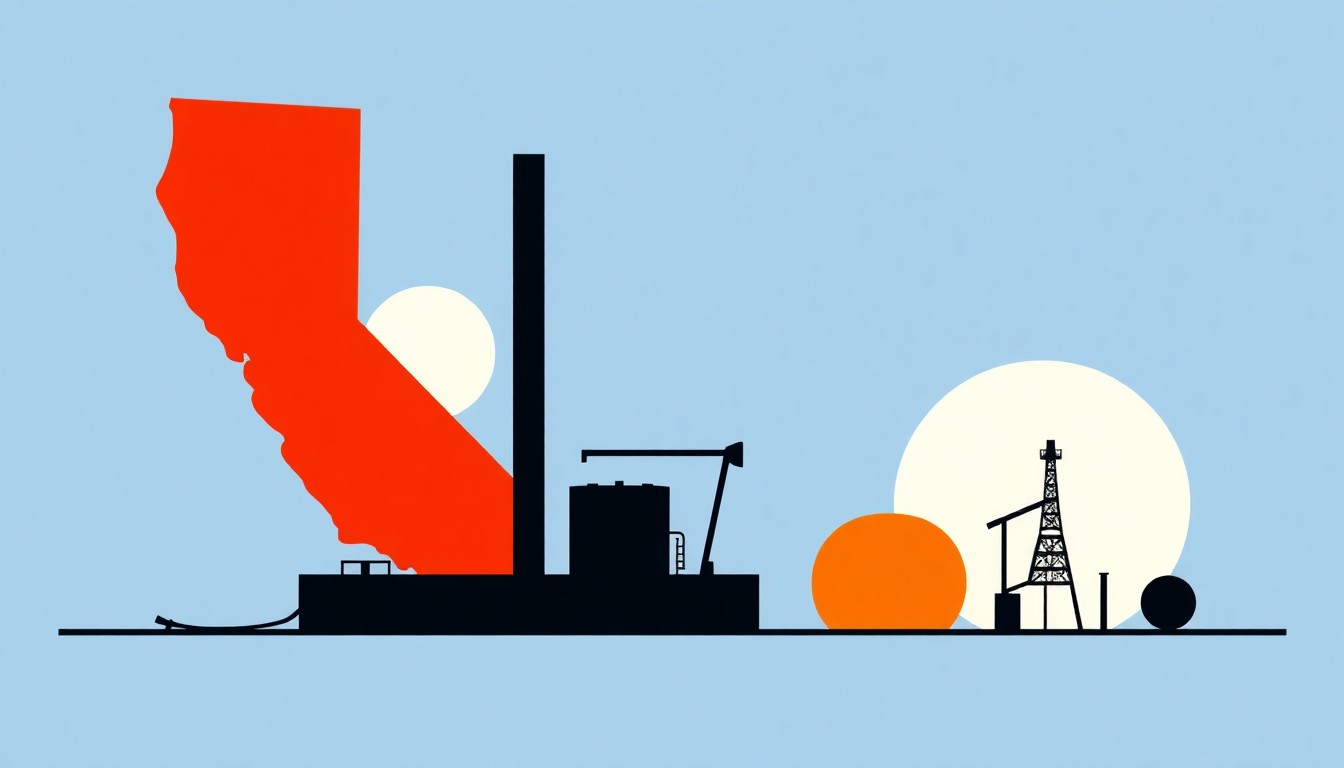
 A conceptual illustration capturing the fragility of energy security and the need for strategic long-term planning to build a more resilient future.Santa Ynez Today
The article explores the parallels between the current oil crisis and the 1970s oil shocks, highlighting how the echoes of the past are reverberating today. It delves into the complex geopolitical dynamics, the ripple effects on everyday lives, and the urgent need to re-evaluate our reliance on fossil fuels and prepare for a future where energy scarcity may become more commonplace.
Why it matters
The current oil crisis is not just about price fluctuations at the pump; it's a stark reminder of the fragility of the systems that underpin our modern conveniences. This situation exposes the interconnectedness of global events and the need to address energy security as a critical component of national stability and economic prosperity.
The details
The article suggests that the current crisis represents a fundamental shift in the delicate balance of U.S. foreign policy and economic strategy, with the collapse of the decades-long relationship between supporting Israel and maintaining global oil market stability. This has led to immediate consequences for household budgets and global trade, underscoring the need to move beyond simplistic political narratives and consider the deeper, more complex factors at play.
- The 1970s oil crises were a wake-up call, forcing nations to confront their dependence on a single resource and the vulnerabilities that came with it.
- The current anxieties around oil prices and potential shortages are a deeply unsettling glimpse into a past that many believed was firmly behind us.
The players
United States
The article suggests that the current crisis represents a fundamental shift in the delicate balance of U.S. foreign policy and economic strategy, with the collapse of the decades-long relationship between supporting Israel and maintaining global oil market stability.
What they’re saying
“The echoes of the 1970s are reverberating today, and for many, especially younger generations, the notion of fuel scarcity and the ensuing price hikes feel like a dystopian nightmare.”
— Author
“This current situation, however, is a harsh re-education, a forceful reminder that energy security is not a given.”
— Author
What’s next
The article does not mention any specific future newsworthy moments with definite and predictable dates.
The takeaway
This current oil crisis is a wake-up call, forcing us to look beyond the immediate price fluctuations and consider the long-term strategic imperatives around energy security. It highlights the need to invest in diversification, reevaluate our foreign policy decisions, and accelerate the transition to more sustainable and resilient energy sources to avoid the vulnerabilities exposed by this crisis.