- Today
- Holidays
- Birthdays
- Reminders
- Cities
- Atlanta
- Austin
- Baltimore
- Berwyn
- Beverly Hills
- Birmingham
- Boston
- Brooklyn
- Buffalo
- Charlotte
- Chicago
- Cincinnati
- Cleveland
- Columbus
- Dallas
- Denver
- Detroit
- Fort Worth
- Houston
- Indianapolis
- Knoxville
- Las Vegas
- Los Angeles
- Louisville
- Madison
- Memphis
- Miami
- Milwaukee
- Minneapolis
- Nashville
- New Orleans
- New York
- Omaha
- Orlando
- Philadelphia
- Phoenix
- Pittsburgh
- Portland
- Raleigh
- Richmond
- Rutherford
- Sacramento
- Salt Lake City
- San Antonio
- San Diego
- San Francisco
- San Jose
- Seattle
- Tampa
- Tucson
- Washington
Lawsuit Alleges Graniterock Illegally Polluted Pajaro River
Environmental groups say prominent Bay Area construction company exceeded pollution limits over 900 times in 6 years
Apr. 18, 2026 at 7:43pm
Got story updates? Submit your updates here. ›
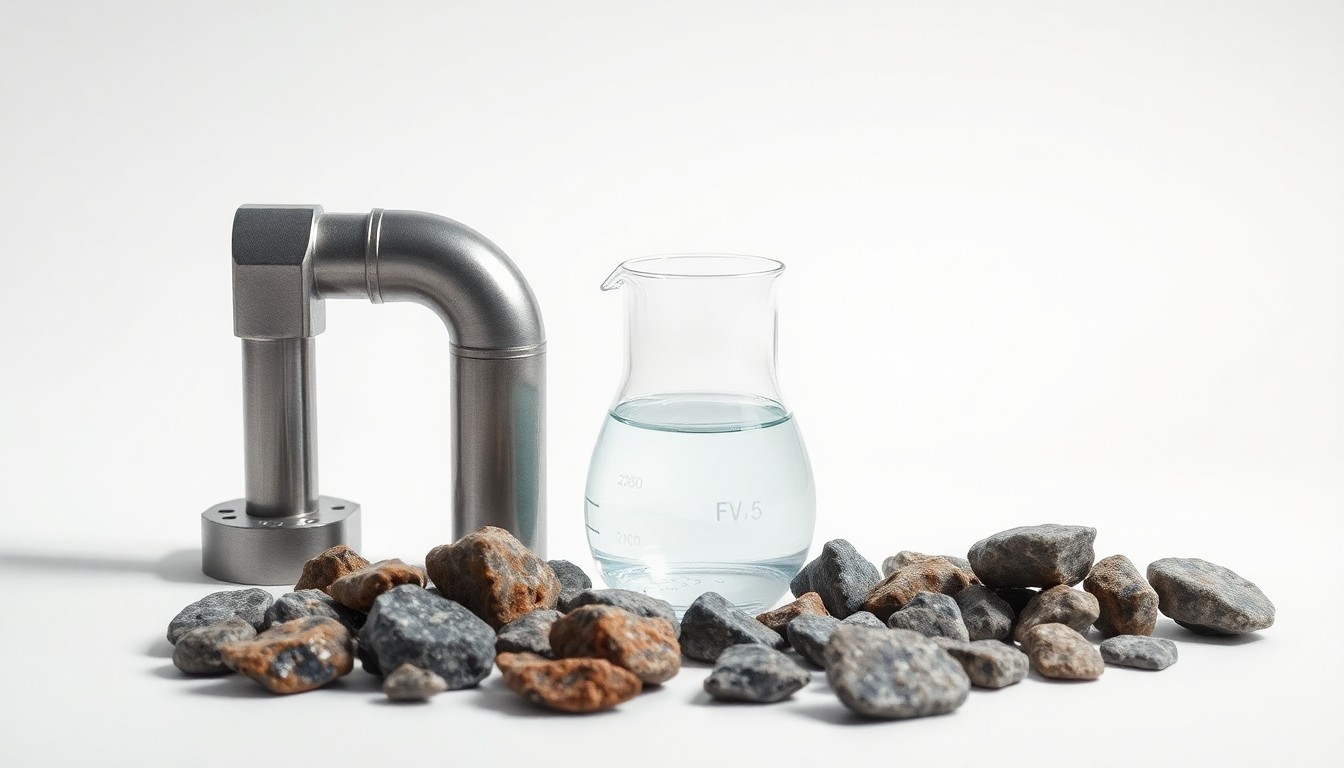 A symbolic still life captures the tension between industrial development and environmental protection in the case of alleged water pollution by a prominent Bay Area construction company.Santa Cruz Today
A lawsuit filed in federal court in San Jose alleges that Graniterock, one of the Bay Area's largest construction companies, has illegally discharged polluted water from its A.R. Wilson Quarry in Aromas into the Pajaro River more than 900 times in the past six years. The lawsuit claims the quarry water contains toxic contaminants that can harm steelhead trout and other wildlife in the river, which flows into the Monterey Bay National Marine Sanctuary.
Why it matters
The Pajaro River has long struggled with pollution issues, and the additional burden of mining runoff from Graniterock's quarry operations could further damage the river's ecosystem and threaten already endangered species like steelhead trout. The lawsuit aims to force the company to take steps to better treat and contain its wastewater to protect the local waterways.
The details
According to the lawsuit, Graniterock has released water into the Pajaro River at least 924 times since 2021 that exceeded federal pollution standards, with contaminants ranging from 10% to 470% over the allowable limits in its permits. The quarry water contains aluminum, iron, molybdenum, high levels of salts and sediment, and other pollutants. Graniterock disputes the allegations, saying its testing protocols are compliant with permits and that it has a history of working constructively with regulators.
- Graniterock has released water into the Pajaro River at least 924 times since 2021 that exceeded federal pollution standards.
- In 2018-2021, Graniterock was fined four times by state water pollution regulators, paying a total of $138,000 in penalties for water quality violations at the quarry.
The players
Graniterock
A prominent Bay Area construction company that owns and operates the A.R. Wilson Quarry in Aromas, one of the largest hard rock quarries in the Western United States. The company mines granite and other materials used in concrete, asphalt and other construction products.
Environment California
A non-profit environmental advocacy organization that is one of the plaintiffs in the lawsuit against Graniterock.
California Sportfishing Protection Alliance
A non-profit organization focused on protecting California's waterways and fisheries, and the other plaintiff in the lawsuit against Graniterock.
Central Coast Regional Water Quality Control Board
The state agency that regulates water pollution and has fined Graniterock multiple times for violations at the quarry.
What they’re saying
“These are highly toxic heavy metals that are going right into the river. It's really damaging and really polluting. The river is suffering.”
— Laura Deehan, State Director, Environment California
“We strongly disagree with the allegations and will respond appropriately through the legal process.”
— Shanna Crigger, Spokesperson, Graniterock
“Congress allowed for citizen enforcement of the Clean Water Act so that the public could play a vital role in the protection of water quality. When violations become habitual, citizens can demand legal accountability, and that's what we aim to do here.”
— Chris Shutes, Executive Director, California Sportfishing Protection Alliance
What’s next
The lawsuit is seeking a judge to require Graniterock to expand its holding pond, treat the water, or take other steps to reduce pollution into the Pajaro River. Graniterock's permit for the quarry is currently under review for a five-year renewal before the regional water board, and the environmental groups hope the case will result in stricter compliance requirements.
The takeaway
This case highlights the ongoing tensions between economic development and environmental protection, as a prominent local construction company stands accused of repeatedly violating water pollution regulations and damaging a sensitive river ecosystem. It underscores the important role that citizen advocacy groups can play in holding corporations accountable and pushing for stronger enforcement of clean water laws.
Santa Cruz top stories


Santa Cruz events

Apr. 18, 2026
Drain and Friends w/ No Pressure, Haywire & Secret World
Apr. 18, 2026
(((folkYEAH!))) Presents - Throwing Muses w/ Artsick