- Today
- Holidays
- Birthdays
- Reminders
- Cities
- Atlanta
- Austin
- Baltimore
- Berwyn
- Beverly Hills
- Birmingham
- Boston
- Brooklyn
- Buffalo
- Charlotte
- Chicago
- Cincinnati
- Cleveland
- Columbus
- Dallas
- Denver
- Detroit
- Fort Worth
- Houston
- Indianapolis
- Knoxville
- Las Vegas
- Los Angeles
- Louisville
- Madison
- Memphis
- Miami
- Milwaukee
- Minneapolis
- Nashville
- New Orleans
- New York
- Omaha
- Orlando
- Philadelphia
- Phoenix
- Pittsburgh
- Portland
- Raleigh
- Richmond
- Rutherford
- Sacramento
- Salt Lake City
- San Antonio
- San Diego
- San Francisco
- San Jose
- Seattle
- Tampa
- Tucson
- Washington
Apple Faces Widespread 'Touch Disease' Issue in iPhone 6 and 6 Plus
Repair experts say a design flaw is causing touchscreen failures in older iPhone models.
Apr. 20, 2026 at 8:24am
Got story updates? Submit your updates here. ›
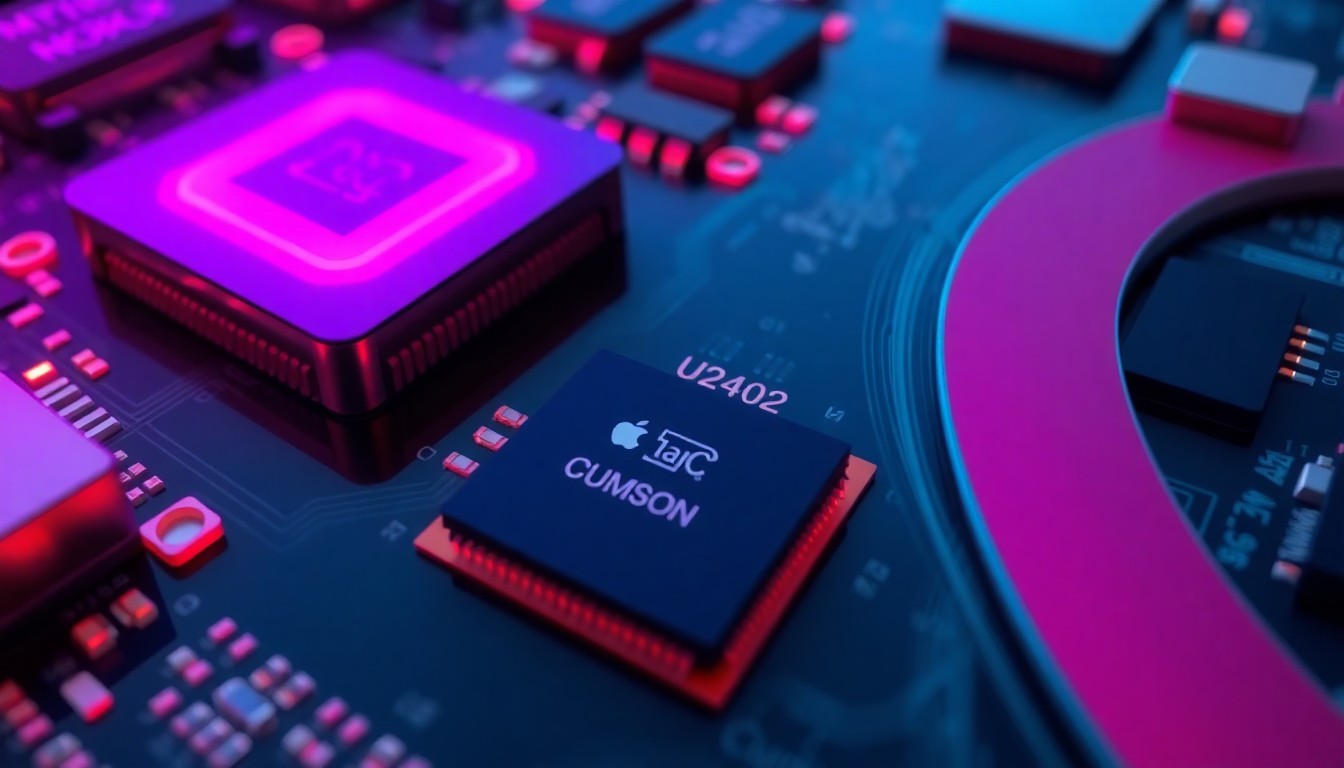 The hidden hardware flaws causing widespread touchscreen failures in older iPhone models.Santa Clara Today
Microsoldering specialists are seeing a surge in iPhone 6 and 6 Plus devices with a common hardware issue known as 'Touch Disease' - a flickering gray bar at the top of the screen and an unresponsive touchscreen. Repair pros say the problem stems from a design flaw related to the touchscreen controller chips on the logic board, which can crack over time due to the phones' bendable frames.
Why it matters
The widespread nature of the Touch Disease issue raises questions about Apple's product quality and customer support, as the company has reportedly refused to acknowledge the problem or offer free repairs. This could lead to a class action lawsuit if Apple doesn't address the issue proactively.
The details
The root cause of Touch Disease is the two touchscreen controller chips, known as the U2402 Meson and Cumulus U2401 chips, which can become disconnected from the logic board over time due to the phones' flexible design. Replacing the touchscreen doesn't fix the problem, as the gray bar eventually appears on a new screen too. Skilled microsoldering technicians can replace the faulty chips, but Apple's Genius Bar is not equipped to make these specialized logic board repairs.
- The iPhone 6 and 6 Plus were released in 2014.
- Repair shops started seeing a surge in Touch Disease cases in 2015.
The players
Jessa Jones
A microsoldering specialist who runs the repair shop iPad Rehab and has fixed hundreds of iPhones with Touch Disease.
Rami Odeh
A repair technician from New Orleans who sees up to 100 iPhone 6 and 6 Plus devices per month with Touch Disease symptoms.
Michael Huie
The specialist behind the repair site Microsoldering.com, who says about half the repairs he receives show signs of Touch Disease.
Jason Villmer
The owner of STS Telecom, a board repair shop in Missouri, who sees phones with Touch Disease several times per week.
Louis Rossmann
A board repair expert from New York City who has criticized Apple's lack of support for the Touch Disease issue.
What they’re saying
“This issue is widespread enough that I feel like almost every iPhone 6/6+ has a touch of it (no pun intended) and are like ticking bombs just waiting to act up.”
— Jason Villmer, Owner, STS Telecom
“[Apple] doesn't tell customers they can get it fixed at an independent service center. They don't offer repair of it at all. The only option that Apple offers to people who encounter this problem is 'Would you like to buy a new iPhone?'”
— Louis Rossmann, Board Repair Expert
What’s next
Repair experts predict the Touch Disease issue will eventually lead to a class action lawsuit against Apple, forcing the company to address the problem with an extended warranty program.
The takeaway
The widespread nature of the Touch Disease problem in iPhone 6 and 6 Plus models raises serious questions about Apple's commitment to product quality and customer support. The company's refusal to acknowledge the issue or provide free repairs has left many users frustrated and forced to seek out independent repair shops to fix their devices.