- Today
- Holidays
- Birthdays
- Reminders
- Cities
- Atlanta
- Austin
- Baltimore
- Berwyn
- Beverly Hills
- Birmingham
- Boston
- Brooklyn
- Buffalo
- Charlotte
- Chicago
- Cincinnati
- Cleveland
- Columbus
- Dallas
- Denver
- Detroit
- Fort Worth
- Houston
- Indianapolis
- Knoxville
- Las Vegas
- Los Angeles
- Louisville
- Madison
- Memphis
- Miami
- Milwaukee
- Minneapolis
- Nashville
- New Orleans
- New York
- Omaha
- Orlando
- Philadelphia
- Phoenix
- Pittsburgh
- Portland
- Raleigh
- Richmond
- Rutherford
- Sacramento
- Salt Lake City
- San Antonio
- San Diego
- San Francisco
- San Jose
- Seattle
- Tampa
- Tucson
- Washington
San Francisco Still Struggling to Recover Population After Pandemic Exodus
New census data shows the metro area's population remains well below 2020 levels, outpaced only by Los Angeles in population loss among major U.S. cities.
Apr. 20, 2026 at 12:36am
Got story updates? Submit your updates here. ›
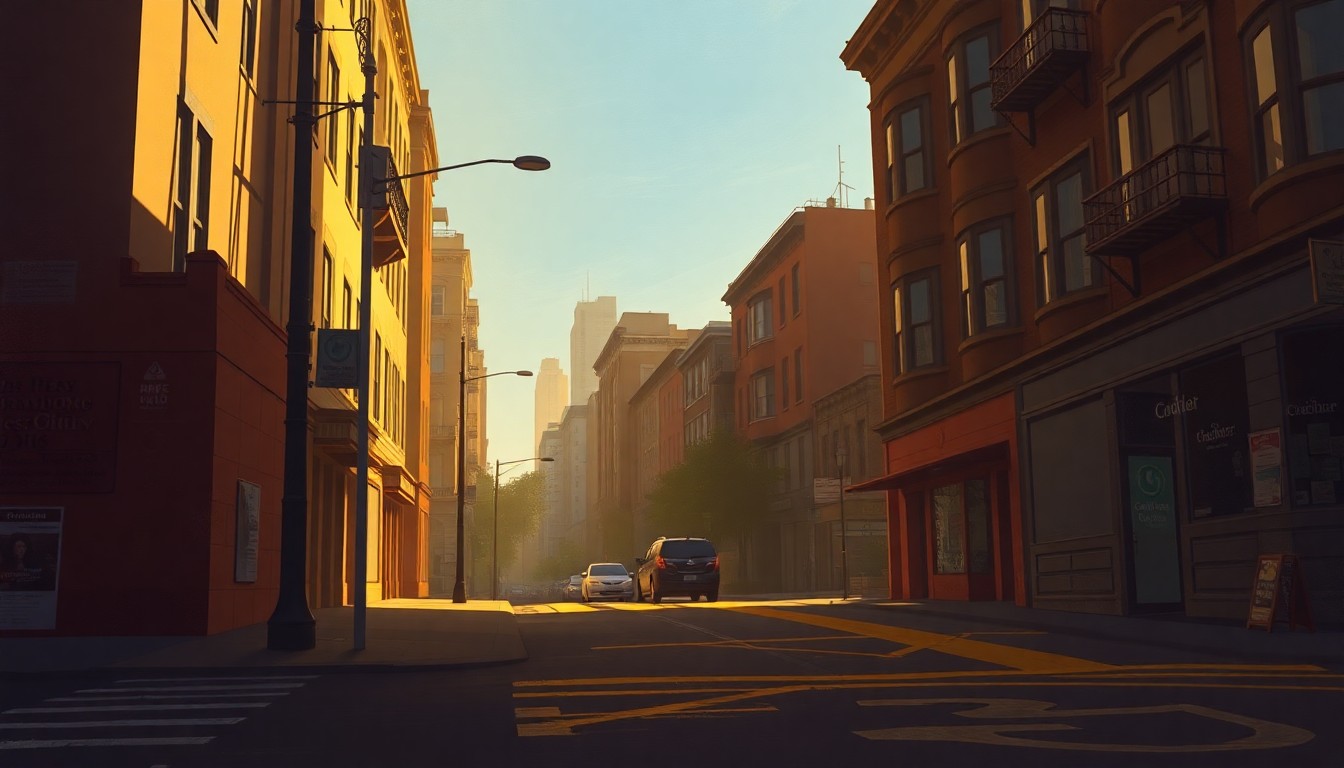 The once-vibrant streets of San Francisco now reflect a city struggling to recover from the pandemic exodus, with a population that remains well below pre-COVID levels.San Jose Today
According to a new report, the San Francisco metropolitan area's population has still not recovered to pre-pandemic levels, remaining 2.6% lower in 2025 than in April 2020. This population loss is outpaced only by Los Angeles among major U.S. metro areas. The city has grappled with issues like rampant homelessness, surging crime, and skyrocketing costs of living, leading many former residents to seek better quality and more affordable living elsewhere.
Why it matters
San Francisco's ongoing population decline highlights the challenges the city has faced in the wake of the pandemic, including the exodus of residents seeking more affordable housing and better quality of life. The city's struggles have political implications as well, with moderates working to counter the influence of progressive policies that some blame for the city's decline.
The details
The San Francisco metropolitan area, which includes the East Bay, Peninsula, and Marin County, saw its population remain 2.6% lower in July 2025 compared to April 2020. This population loss is outpaced only by Los Angeles, which was down 2.7% over the same period. The city has grappled with issues like rampant homelessness, surging crime, and skyrocketing costs of living, leading many former residents to seek better quality and more affordable living elsewhere.
- In 2022, the San Francisco metro area's population hit a low point.
- As of July 2025, the San Francisco metro area's population remained 2.6% lower than in April 2020.
The players
Daniel Lurie
The current mayor of San Francisco, elected in 2024 on a platform of addressing the city's issues with homelessness, crime, and cost of living.
London Breed
The former mayor of San Francisco, defeated by Daniel Lurie in the 2024 election.
Neighbors for a Better San Francisco
A group that raised $10 million to support moderate candidates in San Francisco elections, aiming to counter the influence of progressive policies in the city.
What they’re saying
“'San Francisco metro area's population failed to grow again in 2025, despite a swelling boom in AI.'”
— The San Francisco Chronicle
“'Unlike in almost every other major metro in the country, that's left the region's total population well below its 2020 level, according to newly released U.S. census estimates.'”
— The San Francisco Chronicle
“'Still, it's not as though the Bay Area's population has been in free fall since the pandemic. After hitting a low in 2022, the population growth in both the San Francisco and San Jose metro areas has generally leveled off, even creeping up slightly. Likewise, Los Angeles' population change has generally leveled off around its lowest point.'”
— The San Francisco Chronicle
What’s next
The city's new mayor, Daniel Lurie, is working to address the issues that have contributed to the population decline, including homelessness, crime, and the high cost of living. Moderate Democrats in San Francisco are also pushing back against progressive candidates, hoping to maintain the city's more centrist course.
The takeaway
San Francisco's ongoing population decline highlights the significant challenges the city has faced in the wake of the pandemic, including the exodus of residents seeking more affordable housing and better quality of life. The city's struggles have also had political implications, with moderates working to counter the influence of progressive policies that some blame for the city's decline.
San Jose top stories



San Jose events

Apr. 22, 2026
San Jose Earthquakes vs. Austin FC
Apr. 22, 2026
Hatsune Miku - EXPO 2026 North America
Apr. 22, 2026
The Extraordinary Card Magic of Jason Ladanye