- Today
- Holidays
- Birthdays
- Reminders
- Cities
- Atlanta
- Austin
- Baltimore
- Berwyn
- Beverly Hills
- Birmingham
- Boston
- Brooklyn
- Buffalo
- Charlotte
- Chicago
- Cincinnati
- Cleveland
- Columbus
- Dallas
- Denver
- Detroit
- Fort Worth
- Houston
- Indianapolis
- Knoxville
- Las Vegas
- Los Angeles
- Louisville
- Madison
- Memphis
- Miami
- Milwaukee
- Minneapolis
- Nashville
- New Orleans
- New York
- Omaha
- Orlando
- Philadelphia
- Phoenix
- Pittsburgh
- Portland
- Raleigh
- Richmond
- Rutherford
- Sacramento
- Salt Lake City
- San Antonio
- San Diego
- San Francisco
- San Jose
- Seattle
- Tampa
- Tucson
- Washington
Breaking Down Electric Vehicle AWD vs RWD
Exploring the core differences between all-wheel drive and rear-wheel drive electric vehicles
Apr. 19, 2026 at 10:56pm by Ben Kaplan
Got story updates? Submit your updates here. ›
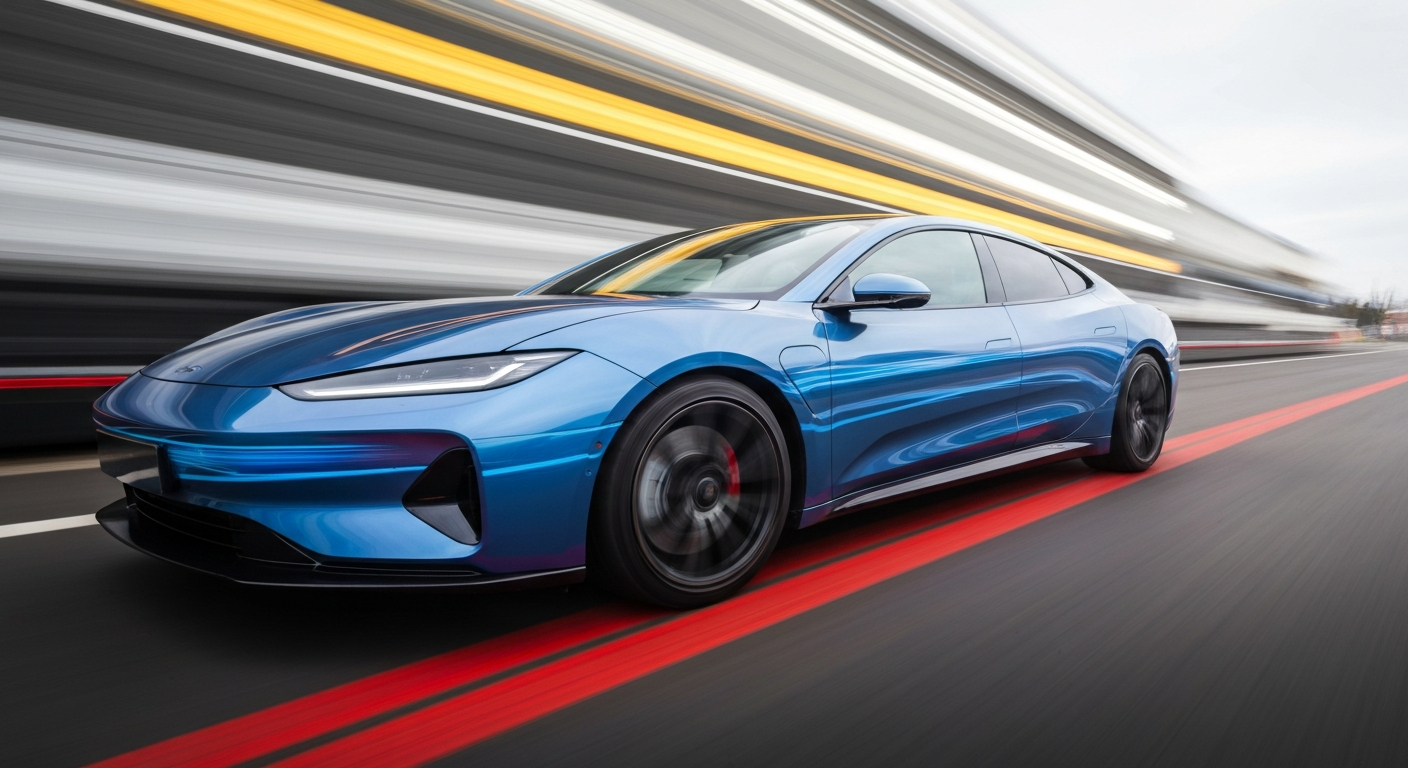 The dynamic visual energy of an electric vehicle in motion captures the excitement and innovation driving the future of sustainable transportation.San Francisco Today
Your comprehensive resource for understanding the key distinctions between all-wheel drive (AWD) and rear-wheel drive (RWD) electric vehicles, explained in plain language. Informed opinions start with the right facts.
Why it matters
As electric vehicle adoption continues to rise, consumers need clear information to make the best purchasing decisions for their driving needs and preferences. Knowing the pros and cons of AWD vs RWD can help buyers choose the right EV model.
The details
The fundamental difference between AWD and RWD electric vehicles lies in how power is delivered to the wheels. AWD systems use multiple electric motors to power all four wheels, providing enhanced traction and stability, especially in inclement weather or off-road conditions. RWD setups use a single motor to power the rear wheels, offering a more traditional driving experience with a focus on performance and efficiency.
- The article was published on April 19, 2026.
The players
thedetroitbureau.com
An automotive news website providing in-depth coverage and analysis of the latest developments in the auto industry.
Marcus Thorne
The author of the article, providing expert insights on electric vehicle technology and trends.
What they’re saying
“Informed opinions start with the right facts.”
— Marcus Thorne, Author
The takeaway
As the electric vehicle market continues to evolve, understanding the key differences between AWD and RWD systems can help consumers make informed decisions that align with their driving needs and preferences, ultimately leading to a more satisfying EV ownership experience.
San Francisco top stories



San Francisco events

Apr. 20, 2026
Bloodywood: System Of A Brown Tour 2026
Apr. 20, 2026
FANTASTIC PLANET
Apr. 20, 2026
FANTASTIC PLANET