- Today
- Holidays
- Birthdays
- Reminders
- Cities
- Atlanta
- Austin
- Baltimore
- Berwyn
- Beverly Hills
- Birmingham
- Boston
- Brooklyn
- Buffalo
- Charlotte
- Chicago
- Cincinnati
- Cleveland
- Columbus
- Dallas
- Denver
- Detroit
- Fort Worth
- Houston
- Indianapolis
- Knoxville
- Las Vegas
- Los Angeles
- Louisville
- Madison
- Memphis
- Miami
- Milwaukee
- Minneapolis
- Nashville
- New Orleans
- New York
- Omaha
- Orlando
- Philadelphia
- Phoenix
- Pittsburgh
- Portland
- Raleigh
- Richmond
- Rutherford
- Sacramento
- Salt Lake City
- San Antonio
- San Diego
- San Francisco
- San Jose
- Seattle
- Tampa
- Tucson
- Washington
How Marvel & DC Comics Lost the Plot on Diversity
A sharp look at how comics shifted from organic diversity to grievance-driven storytelling—and why it's hurting the medium and alienating its audience.
Apr. 18, 2026 at 2:55pm by Ben Kaplan
Got story updates? Submit your updates here. ›
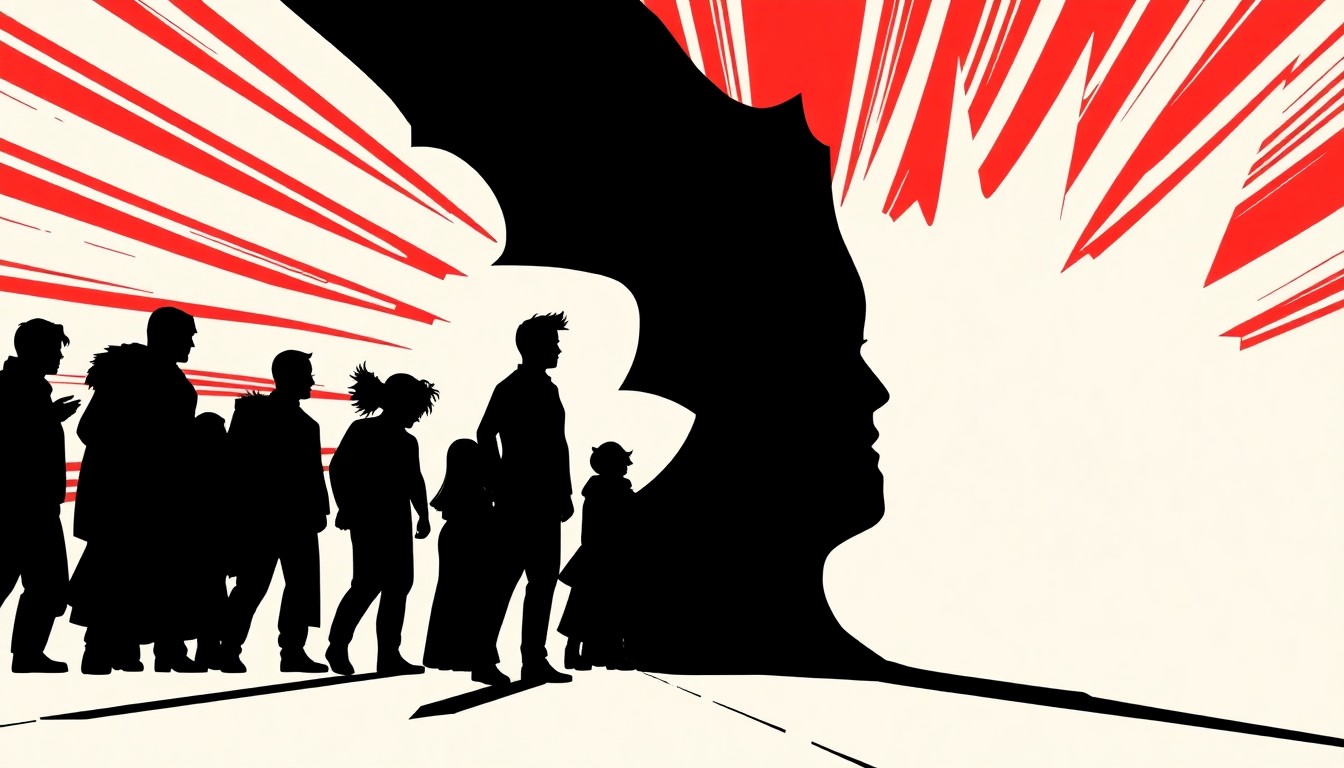 As the comics industry grapples with the shifting sands of diversity and representation, the once-unifying medium risks becoming mired in grievance and division.San Francisco Today
This article examines how the comics industry, particularly Marvel and DC, has shifted away from an organic, meliorist approach to diversity towards a more grievance-driven, radical agenda in recent years. The author argues this shift has alienated readers and hurt the medium, moving away from the goal of seeking common ground towards an ideal of representation for all aggrieved groups.
Why it matters
The article provides an insightful critique of how the comics industry's diversity efforts have become increasingly politicized and divisive, moving away from the goal of fostering mutual understanding towards a more combative, grievance-based approach. This shift has the potential to further alienate readers and damage the long-term health of the comics medium.
The details
The article traces the history of diversity in comics, noting how Marvel's introduction of characters like the Black Panther and Falcon in the 1960s took a meliorist approach aimed at helping readers better understand different cultures. This stood in contrast to a more radical, grievance-driven approach exemplified by titles like Shade the Changing Man in the 1990s. The author argues the mainstreaming of 'woke comics' in the 2010s, typified by controversial storylines like the 'Gay Son of Superman' and 'Captain America, Hydra Agent', has further entrenched this radical ideal of representation for all aggrieved groups rather than seeking common ground.
- The article was published on April 18, 2026.
- It examines the shift in the comics industry's approach to diversity over the past several decades, from the 1960s through the 2010s.
The players
Robert Frost
An American poet whose quote about walls is used to frame the article's central argument.
Stokely Carmichael
A civil rights activist who, along with Charles V. Hamilton, coined the term 'institutional racism' in their 1967 book 'Black Power'.
Chris Claremont
A writer who helped define the meliorist, liberal approach to diversity in the X-Men comics in the 1970s and 1980s.
Peter Milligan
A writer who the author sees as a precursor to the 'woke comics' trend, infusing grievance-based radicalism into his X-Men run in the mid-2000s.
Ibram X. Kendi
A scholar whose quote about the 'only remedy to discrimination is more discrimination' is used to illustrate the radical approach to diversity.
What’s next
The article suggests that while there may not be as many extreme examples of 'woke' storylines in current comics, the radical ideal of representation for all aggrieved groups rather than seeking common ground remains entrenched in the industry. The author notes that there are indications Hollywood may be backing away somewhat from peddling grievance, but the long-term impact on the comics medium remains to be seen.
The takeaway
This article provides a thoughtful analysis of how the comics industry's approach to diversity has shifted over time, moving away from an organic, meliorist approach aimed at fostering mutual understanding towards a more divisive, grievance-driven agenda. The author argues this shift has alienated readers and damaged the medium, underscoring the importance of seeking common ground rather than entrenching walls between different groups.
San Francisco top stories


San Francisco events

Apr. 18, 2026
Jason Cheny
Apr. 18, 2026
Mayday Mae!/ Jaded Justice/ Scorpio Moon
Apr. 18, 2026
SFBATCO: The Lin-Manuel Effect