- Today
- Holidays
- Birthdays
- Reminders
- Cities
- Atlanta
- Austin
- Baltimore
- Berwyn
- Beverly Hills
- Birmingham
- Boston
- Brooklyn
- Buffalo
- Charlotte
- Chicago
- Cincinnati
- Cleveland
- Columbus
- Dallas
- Denver
- Detroit
- Fort Worth
- Houston
- Indianapolis
- Knoxville
- Las Vegas
- Los Angeles
- Louisville
- Madison
- Memphis
- Miami
- Milwaukee
- Minneapolis
- Nashville
- New Orleans
- New York
- Omaha
- Orlando
- Philadelphia
- Phoenix
- Pittsburgh
- Portland
- Raleigh
- Richmond
- Rutherford
- Sacramento
- Salt Lake City
- San Antonio
- San Diego
- San Francisco
- San Jose
- Seattle
- Tampa
- Tucson
- Washington
California King Salmon Returns to Menus After 3-Year Hiatus
Fishing season to open in May with limited catch quotas after drought-related closure
Apr. 18, 2026 at 11:09pm by Ben Kaplan
Got story updates? Submit your updates here. ›
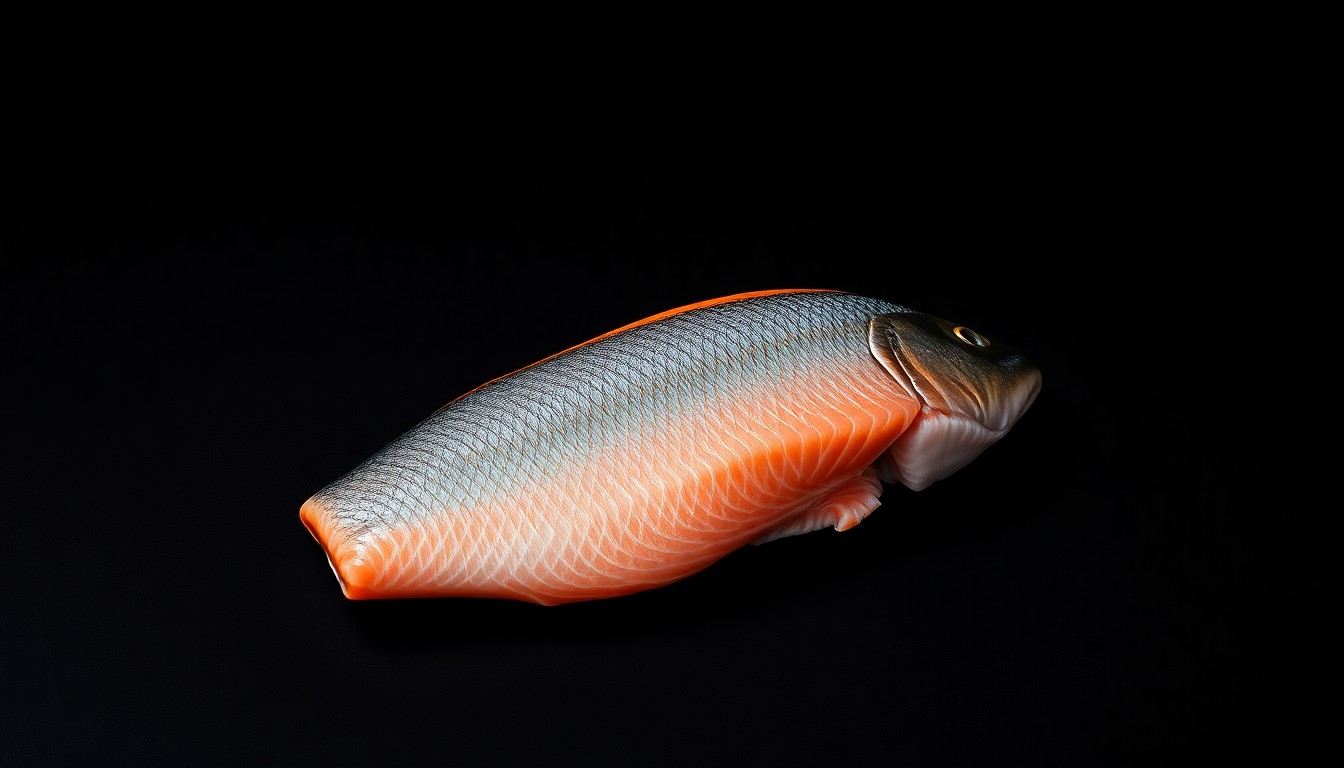 The return of the coveted California King Salmon to restaurant menus signals a hopeful recovery for the state's fishing industry after a prolonged drought-related closure.San Francisco Today
The California King Salmon, a local delicacy, will soon be back on restaurant menus after a three-year closure of the fishery due to concerns over plummeting salmon populations amid extended drought in the state. The Pacific Fishery Management Council has announced that state waters will reopen for limited fishing starting in May, though with reduced catch limits for both commercial and recreational anglers.
Why it matters
The return of the California King Salmon is a welcome development for the state's fishing industry and restaurant community, which has suffered significant financial losses from the three-year closure. However, the limited nature of the reopening means costs for the delicacy will likely remain high, and the industry will still be recovering from the prolonged drought-related disruption.
The details
The Pacific Fishery Management Council cited 'increased forecasts for both Sacramento and Klamath River fall Chinook compared to recent years' as the reason for reopening the fishery, though it will be on a shortened and limited schedule. Commercial and recreational anglers will face catch quotas, and the season will open in May. Many restaurants and grocery stores that previously offered the California King Salmon are eager to have it back on menus, though the limited supply will likely mean high prices for consumers.
- The California King Salmon fishery was closed in 2022 due to concerns over declining salmon populations.
- The Pacific Fishery Management Council announced the fishery will reopen in May 2026 with limited catch quotas.
- The final plan must still be adopted by the National Marine Fisheries Service, which is expected to make a decision by the end of April 2026.
The players
Pacific Fishery Management Council
The regional fishery management council responsible for overseeing fishing in the Pacific Ocean off the U.S. West Coast, including California.
Shelley Lindgren
Wine director and co-owner of San Francisco's A16 restaurant, as well as a member of the Golden Gate Restaurant Association board.
Vance Staplin
Executive director of the Golden State Salmon Association, an industry group representing California's commercial salmon fishing interests.
Sarah Bates
A commercial fisherman based in San Francisco.
What they’re saying
“Providing meaningful fishing opportunities, achieving conservation and management goals, and ensuring the long-term health of salmon populations and fishing communities are all key priorities for the Council.”
— Pete Hassemer, Council Chair, Pacific Fishery Management Council
“The minute we can get it, we will have it on the menu. It's really a joy to offer.”
— Shelley Lindgren, Wine Director and Co-Owner, A16 Restaurant
“Everyone's doing a big dance that we're fishing, and that's cool. But these commercial guys are going to be struggling, the bigger boats especially because of the overhead.”
— Vance Staplin, Executive Director, Golden State Salmon Association
“I really understand why people are upset. But also, I'm so excited to catch some fish. Even though it's not enough. It's not even close to enough.”
— Sarah Bates, Commercial Fisherman
What’s next
The final fishing plan must still be adopted by the National Marine Fisheries Service, which is expected to make a decision by the end of April 2026.
The takeaway
The return of the California King Salmon to restaurant menus is a positive development for the state's fishing industry and food culture, but the limited nature of the reopening means the delicacy will likely remain in short supply and high-priced for the foreseeable future as the industry continues to recover from the prolonged drought-related closure.
San Francisco top stories



San Francisco events

Apr. 18, 2026
Jason Cheny
Apr. 18, 2026
Mayday Mae!/ Jaded Justice/ Scorpio Moon
Apr. 18, 2026
SFBATCO: The Lin-Manuel Effect