- Today
- Holidays
- Birthdays
- Reminders
- Cities
- Atlanta
- Austin
- Baltimore
- Berwyn
- Beverly Hills
- Birmingham
- Boston
- Brooklyn
- Buffalo
- Charlotte
- Chicago
- Cincinnati
- Cleveland
- Columbus
- Dallas
- Denver
- Detroit
- Fort Worth
- Houston
- Indianapolis
- Knoxville
- Las Vegas
- Los Angeles
- Louisville
- Madison
- Memphis
- Miami
- Milwaukee
- Minneapolis
- Nashville
- New Orleans
- New York
- Omaha
- Orlando
- Philadelphia
- Phoenix
- Pittsburgh
- Portland
- Raleigh
- Richmond
- Rutherford
- Sacramento
- Salt Lake City
- San Antonio
- San Diego
- San Francisco
- San Jose
- Seattle
- Tampa
- Tucson
- Washington
San Francisco Upgrades Emergency Communications Network
New high-speed, redundant fiber network aims to ensure seamless coordination during disasters.
Apr. 16, 2026 at 10:51pm by Ben Kaplan
Got story updates? Submit your updates here. ›
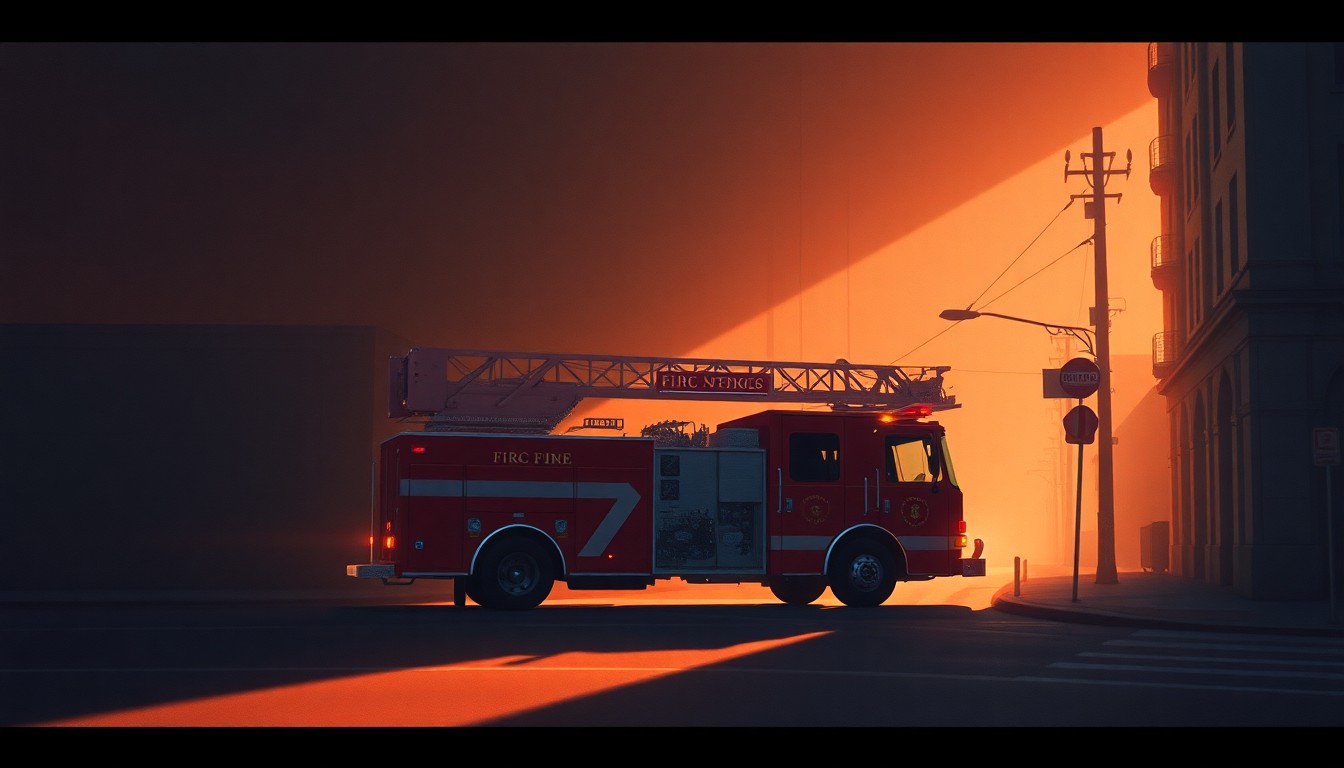
 San Francisco's new emergency communications network aims to ensure seamless coordination and response, even in the face of natural disasters that can overwhelm normal infrastructure.San Francisco Today
San Francisco is modernizing its emergency communications systems, including a new high-speed, redundant fiber network that connects all key agencies and facilities. The upgrades are designed to ensure clear, reliable communication and coordination during major disasters, learning from issues that arose during past emergencies like the 1989 Loma Prieta earthquake.
Why it matters
Effective emergency response relies on robust, resilient communications systems that can handle high call volumes and data traffic. San Francisco's upgrades aim to future-proof its disaster preparedness by creating an independent, prioritized network for first responders that won't be bogged down by overloaded commercial networks.
The details
The new fiber network connects all police, fire, and hospital facilities, providing a dedicated 'digital highway' for emergency data like video, audio, and dispatch information. This redundant system is designed to avoid the communication breakdowns that complicated response efforts in past disasters. The city is also upgrading its 911 call center and computer-aided dispatch (CAD) system to improve reliability and coordination.
- The 25-year fiber network upgrade project is nearly complete.
- All police and hospital facilities are already connected to the new network.
- All fire stations are expected to be connected by the end of the month.
- The $40 million CAD system upgrade is about a year away from completion.
The players
Michael Makstman
Executive Director of the San Francisco Department of Technology, overseeing the city's emergency communications network upgrades.
Garreth Miller
Assistant Deputy Chief of the San Francisco Fire Department, responsible for earthquake safety and emergency response.
Robert Smutz
Emergency Communications Deputy Director for the San Francisco Department of Emergency Management, overseeing the 911 call center and dispatch system upgrades.
What they’re saying
“Our emergency responders need a digital highway. Strong, resilient, wide, highway, to make sure that the data of today gets delivered to where it needs to go.”
— Michael Makstman, Executive Director, San Francisco Department of Technology
“Because it's an entirely independent network, it doesn't depend on any commercial systems, it's within our city network, and the fire department traffic is, in a number of ways, prioritized. We shouldn't suffer from any of those issues of so many people trying to communicate at the same time.”
— Garreth Miller, Assistant Deputy Chief, San Francisco Fire Department
“There is no margin for having systems down in 911. Every second matters. We need to make sure we have the staff to answer calls without any delay, we need to make sure we can process those calls promptly, and get the information to first responders so they can get on scene and take care of things.”
— Robert Smutz, Emergency Communications Deputy Director, San Francisco Department of Emergency Management
What’s next
The city's $40 million upgrade to its Computer Aided Dispatch (CAD) system is expected to be completed in about a year, further improving the reliability and coordination of emergency response.
The takeaway
San Francisco's comprehensive upgrades to its emergency communications infrastructure, including a new dedicated fiber network and modernized 911 and dispatch systems, demonstrate the city's commitment to future-proofing its disaster preparedness. These investments aim to ensure seamless coordination and response during the next major crisis, learning from past breakdowns in communication.
San Francisco top stories


San Francisco events

Apr. 17, 2026
LIVE 105 Presents: The Format 4/17
Apr. 17, 2026
SFBATCO: The Lin-Manuel Effect
Apr. 17, 2026
Kaskade