- Today
- Holidays
- Birthdays
- Reminders
- Cities
- Atlanta
- Austin
- Baltimore
- Berwyn
- Beverly Hills
- Birmingham
- Boston
- Brooklyn
- Buffalo
- Charlotte
- Chicago
- Cincinnati
- Cleveland
- Columbus
- Dallas
- Denver
- Detroit
- Fort Worth
- Houston
- Indianapolis
- Knoxville
- Las Vegas
- Los Angeles
- Louisville
- Madison
- Memphis
- Miami
- Milwaukee
- Minneapolis
- Nashville
- New Orleans
- New York
- Omaha
- Orlando
- Philadelphia
- Phoenix
- Pittsburgh
- Portland
- Raleigh
- Richmond
- Rutherford
- Sacramento
- Salt Lake City
- San Antonio
- San Diego
- San Francisco
- San Jose
- Seattle
- Tampa
- Tucson
- Washington
Biolojic Design Presents Promising Preclinical Data for New Cancer Drug Candidate
BD200 shows strong anti-tumor activity across multiple tumor models, including those resistant to other treatments.
Apr. 20, 2026 at 4:18am
Got story updates? Submit your updates here. ›
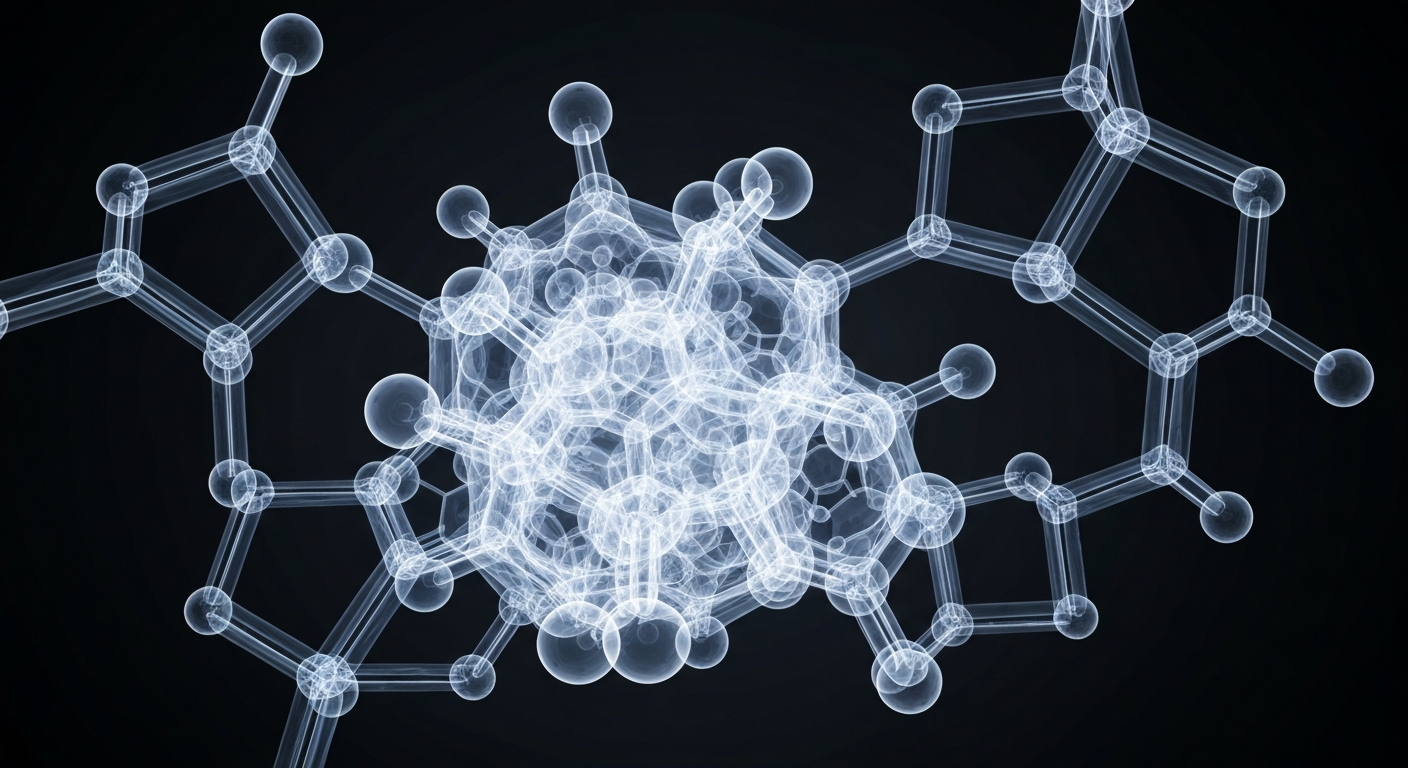 A novel multibody-drug conjugate design aims to enhance the targeted delivery and therapeutic potential of cancer treatments.San Diego Today
Biolojic Design, a biotechnology company using AI to develop innovative antibody-based medicines, presented new preclinical data on its multibody-drug conjugate BD200 at the American Association of Cancer Research (AACR) Annual Meeting. The data showed that BD200 demonstrated superior uptake and cellular cytotoxicity compared to approved drugs targeting either Trop-2 or Nectin-4 alone, as well as strong anti-tumor activity across clinically relevant human tumor models. Importantly, BD200 also showed efficacy in tumor models that were resistant to other antibody-drug conjugates (ADCs). Biolojic Design expects to initiate clinical trials for BD200 in the second half of 2026.
Why it matters
The data on BD200 suggest this multibody-drug conjugate could represent a significant advancement in ADC technology, potentially leading to more effective and safer cancer treatments. By targeting two key tumor proteins, Trop-2 and Nectin-4, BD200 may be able to overcome the challenge of tumor antigen heterogeneity that can limit the efficacy of other ADCs. The ability of BD200 to show activity in resistant tumor models is also an important finding, as overcoming drug resistance is a major goal in oncology drug development.
The details
BD200 is a multibody-drug conjugate that can conditionally bind to both Trop-2 and Nectin-4, two proteins that drive tumor progression and are often co-expressed in solid tumors. Unlike conventional bi-specific antibodies, each arm of BD200 can bind to either target, helping it adapt to the heterogeneity of antigen expression within a tumor. This enables BD200 to deliver more of its cytotoxic payload to the tumor while reducing off-target toxicity. The preclinical data showed BD200 had superior uptake and cytotoxicity compared to ADCs targeting just Trop-2 or Nectin-4, as well as strong anti-tumor activity across multiple tumor models, including those resistant to other ADCs.
- The data were presented at the 2026 AACR Annual Meeting held from April 17-22, 2026 in San Diego.
- Biolojic Design expects to initiate clinical trials for BD200 in the second half of 2026.
The players
Biolojic Design
A biotechnology company that uses AI to transform antibodies into multifunctional, programmable medicines.
Yanay Ofran, PhD
CEO and founder of Biolojic Design.
Trop-2
A protein that drives tumor progression, adhesion, and metastasis, and is co-expressed with Nectin-4 in various solid tumors.
Nectin-4
A protein that drives tumor progression, adhesion, and metastasis, and is co-expressed with Trop-2 in various solid tumors.
BD200
Biolojic Design's first-in-class multibody-drug conjugate that targets Trop-2 and Nectin-4.
What they’re saying
“We're excited to share data from the first ever multibody-drug conjugate, which has the potential to transform ADC technology and, as our data suggest, lead to more efficacious and safer treatment.”
— Yanay Ofran, CEO and founder of Biolojic Design
What’s next
Biolojic Design expects to initiate clinical trials for BD200 in the second half of 2026.
The takeaway
The promising preclinical data on Biolojic Design's multibody-drug conjugate BD200 suggest it could represent a significant advancement in antibody-drug conjugate technology, potentially overcoming some of the limitations of current ADCs and leading to more effective and safer cancer treatments. The ability of BD200 to show activity in resistant tumor models is a particularly important finding that warrants further investigation in clinical trials.
San Diego top stories



San Diego events

Apr. 20, 2026
2026 Aztec Baseball vs. Seattle
Apr. 20, 2026
Metropolis (1927), Played By Brett Miller
Apr. 21, 2026
Bloodywood: System Of A Brown Tour 2026