- Today
- Holidays
- Birthdays
- Reminders
- Cities
- Atlanta
- Austin
- Baltimore
- Berwyn
- Beverly Hills
- Birmingham
- Boston
- Brooklyn
- Buffalo
- Charlotte
- Chicago
- Cincinnati
- Cleveland
- Columbus
- Dallas
- Denver
- Detroit
- Fort Worth
- Houston
- Indianapolis
- Knoxville
- Las Vegas
- Los Angeles
- Louisville
- Madison
- Memphis
- Miami
- Milwaukee
- Minneapolis
- Nashville
- New Orleans
- New York
- Omaha
- Orlando
- Philadelphia
- Phoenix
- Pittsburgh
- Portland
- Raleigh
- Richmond
- Rutherford
- Sacramento
- Salt Lake City
- San Antonio
- San Diego
- San Francisco
- San Jose
- Seattle
- Tampa
- Tucson
- Washington
Early Nerve Cell Choices Shape Human Development
New research reveals that cells in the peripheral nervous system are determined much earlier in embryonic development than previously thought.
Apr. 15, 2026 at 6:14am
Got story updates? Submit your updates here. ›
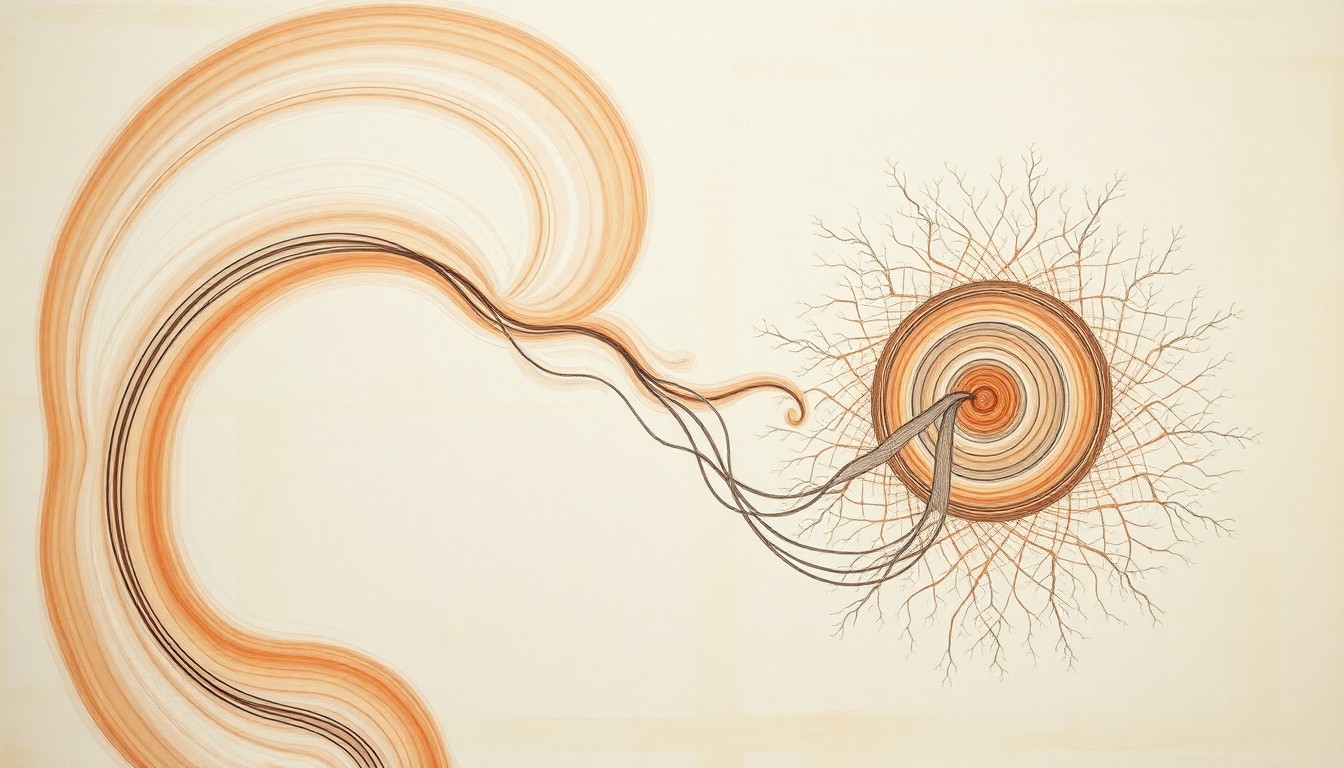 A conceptual illustration of the newly discovered early commitment of cells in the peripheral nervous system, challenging longstanding assumptions about human embryonic development.San Diego Today
A team of researchers led by scientists at the University of Utah and UC San Diego have discovered that within the first few weeks of development, some of an embryo's cells have already been selected to take on particular roles in the peripheral nervous system. This overturns longstanding assumptions in biology and could lead to new avenues for research into developmental diseases and potential therapies.
Why it matters
The researchers' findings challenge the prevailing view that neural crest cells, which give rise to the peripheral nervous system, only take on their specialized identities after migrating away from the neural tube. This new understanding of early cell commitment could inform the development of more targeted treatments for congenital nerve disorders and childhood cancers that originate from neural crest cells.
The details
The researchers used a novel method of tracing genetic mutations in adult cells to uncover the developmental histories of two types of nerve clusters that lie next to the spine: sensory ganglia, which relay sensory information, and sympathetic ganglia, which manage involuntary functions. Their analysis of human tissues showed that these nerve clusters have separate origins much earlier in development than previously thought, with the cells committing to their future identities before even leaving the neural tube. Experiments in mice and quail allowed the team to further trace the carefully orchestrated migration and maturation of neural crest cells into the subtypes of ganglia that innervate different regions of the body.
- The researchers' findings were recently reported in the journal Nature.
The players
Xiaoxu Yang
A Ph.D. researcher at the University of Utah Health who led the study.
Keng Ioi Vong
A postdoctoral scholar in Joseph Gleeson's lab at the University of California San Diego who worked on the study.
Joseph Gleeson
A M.D. researcher at the University of California San Diego who co-led the study.
What they’re saying
“By revealing the early commitment of these cells, our study opens new avenues for research into developmental diseases and potential therapies.”
— Xiaoxu Yang, Researcher, University of Utah Health
“This means that these nerve clusters have separate origins much earlier in development than previously thought.”
— Joseph Gleeson, Researcher, University of California San Diego
“Most neural crest cells commit to their future identity before they even leave the neural tube.”
— Keng Ioi Vong, Postdoctoral Scholar, University of California San Diego
What’s next
The researchers say their findings could inform the development of more targeted treatments for congenital nerve disorders and childhood cancers that originate from neural crest cells, such as neuroblastoma or neurofibromatosis.
The takeaway
This study provides a new understanding of the early commitment of cells in the peripheral nervous system, overturning longstanding assumptions in biology. This knowledge could lead to breakthroughs in treating developmental diseases that begin in these cells.
San Diego top stories



San Diego events

Apr. 15, 2026
San Diego Padres vs. Seattle Mariners
Apr. 15, 2026
San Diego Gulls vs. Tucson Roadrunners
Apr. 15, 2026
The Notebook (Touring)