- Today
- Holidays
- Birthdays
- Reminders
- Cities
- Atlanta
- Austin
- Baltimore
- Berwyn
- Beverly Hills
- Birmingham
- Boston
- Brooklyn
- Buffalo
- Charlotte
- Chicago
- Cincinnati
- Cleveland
- Columbus
- Dallas
- Denver
- Detroit
- Fort Worth
- Houston
- Indianapolis
- Knoxville
- Las Vegas
- Los Angeles
- Louisville
- Madison
- Memphis
- Miami
- Milwaukee
- Minneapolis
- Nashville
- New Orleans
- New York
- Omaha
- Orlando
- Philadelphia
- Phoenix
- Pittsburgh
- Portland
- Raleigh
- Richmond
- Rutherford
- Sacramento
- Salt Lake City
- San Antonio
- San Diego
- San Francisco
- San Jose
- Seattle
- Tampa
- Tucson
- Washington
College Sports Needs Fixing, Here's What I'd Do
Columnist Nick Canepa proposes sweeping changes to address the chaos in college athletics
Apr. 11, 2026 at 10:19pm
Got story updates? Submit your updates here. ›
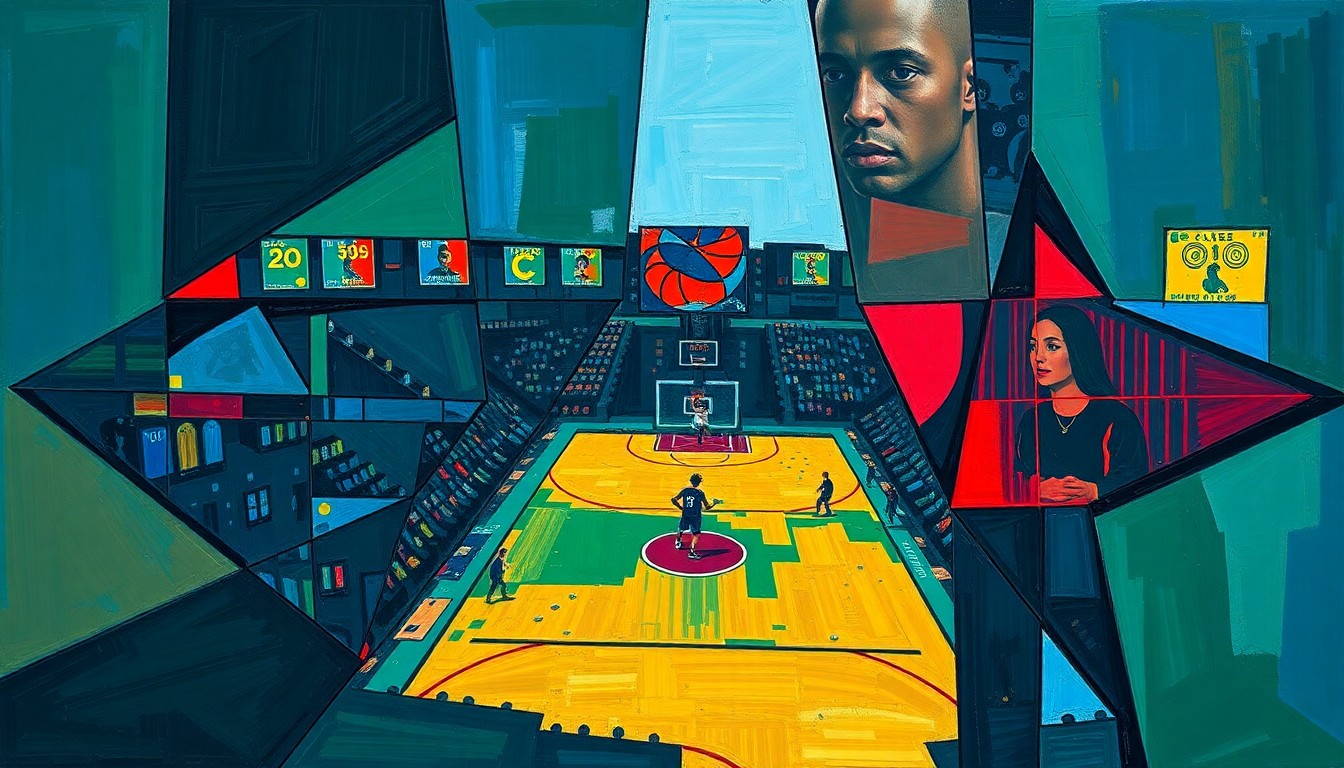 Canepa's vision for reforming the chaotic state of college sports calls for a radical rethinking of the system, deconstructing the game into its core geometric elements.San Diego Today
Veteran sports columnist Nick Canepa argues that college sports have spiraled out of control and proposes a series of reforms to fix the system, including capping player spending, allowing one transfer without penalty, eliminating conference tournaments, and preventing players who have gone pro from returning to college teams.
Why it matters
Canepa's suggestions come as college sports face growing scrutiny over issues like athlete compensation, transfer rules, and the overall commercialization of collegiate athletics. His ideas aim to restore balance and integrity to the college sports landscape.
The details
Canepa's proposed reforms include: instituting a spending cap on college athletics programs, allowing players one transfer without penalty (but sitting out a year for any additional transfers), eliminating conference tournaments, and preventing players who have gone pro from returning to college teams. He argues these changes would help rein in the chaos and excesses that have crept into college sports in recent years.
- Canepa's column was published on April 11, 2026.
The players
Nick Canepa
A veteran sports columnist for the San Diego Union-Tribune who has covered college and professional sports for decades.
President
The current President of the United States, who has become involved in trying to address the issues facing college sports.
NCAA
The National Collegiate Athletic Association, the governing body of college sports that has proposed a plan to limit athlete eligibility to five years.
Dan Hurley
The head basketball coach of the University of Connecticut, whose team made the 2026 NCAA men's basketball championship game.
Geno Auriemma
The legendary head coach of the University of Connecticut women's basketball team, who apologized for an outburst following a loss.
What they’re saying
“If I were college football czar (which is desperately needed now that athletes are openly being paid), I would move quickly on the journey.”
— Nick Canepa, Sports Columnist
“There are currently around 3,000 players in the college basketball portal, or about half the athletes available. That just doesn't seem right.”
— Nick Canepa, Sports Columnist
“The NCAA makes a billion dollars out of March Madness. So it's time to get the Final Four out of large football stadiums. They affect play — and not in a positive way.”
— Nick Canepa, Sports Columnist
What’s next
The NCAA's proposed plan to limit athlete eligibility to five years is expected to be adopted soon, though it may face anti-trust scrutiny. Canepa's more sweeping reforms would likely require significant changes to NCAA rules and policies, as well as potential federal intervention.
The takeaway
Canepa's ideas highlight the growing consensus that major reforms are needed to address the systemic issues plaguing college sports, from athlete compensation to the overall commercialization of collegiate athletics. His proposals aim to restore balance and integrity to a system that has become increasingly chaotic and out of control.
San Diego top stories



San Diego events

Apr. 15, 2026
San Diego Padres vs. Seattle Mariners
Apr. 15, 2026
San Diego Gulls vs. Tucson Roadrunners
Apr. 15, 2026
The Notebook (Touring)