- Today
- Holidays
- Birthdays
- Reminders
- Cities
- Atlanta
- Austin
- Baltimore
- Berwyn
- Beverly Hills
- Birmingham
- Boston
- Brooklyn
- Buffalo
- Charlotte
- Chicago
- Cincinnati
- Cleveland
- Columbus
- Dallas
- Denver
- Detroit
- Fort Worth
- Houston
- Indianapolis
- Knoxville
- Las Vegas
- Los Angeles
- Louisville
- Madison
- Memphis
- Miami
- Milwaukee
- Minneapolis
- Nashville
- New Orleans
- New York
- Omaha
- Orlando
- Philadelphia
- Phoenix
- Pittsburgh
- Portland
- Raleigh
- Richmond
- Rutherford
- Sacramento
- Salt Lake City
- San Antonio
- San Diego
- San Francisco
- San Jose
- Seattle
- Tampa
- Tucson
- Washington
Reedley Today
By the People, for the People
Feds Raid Suspected Clandestine Biolab in California
Authorities uncover potential infectious agents from China, raising national security concerns
Apr. 10, 2026 at 7:20pm
Got story updates? Submit your updates here. ›
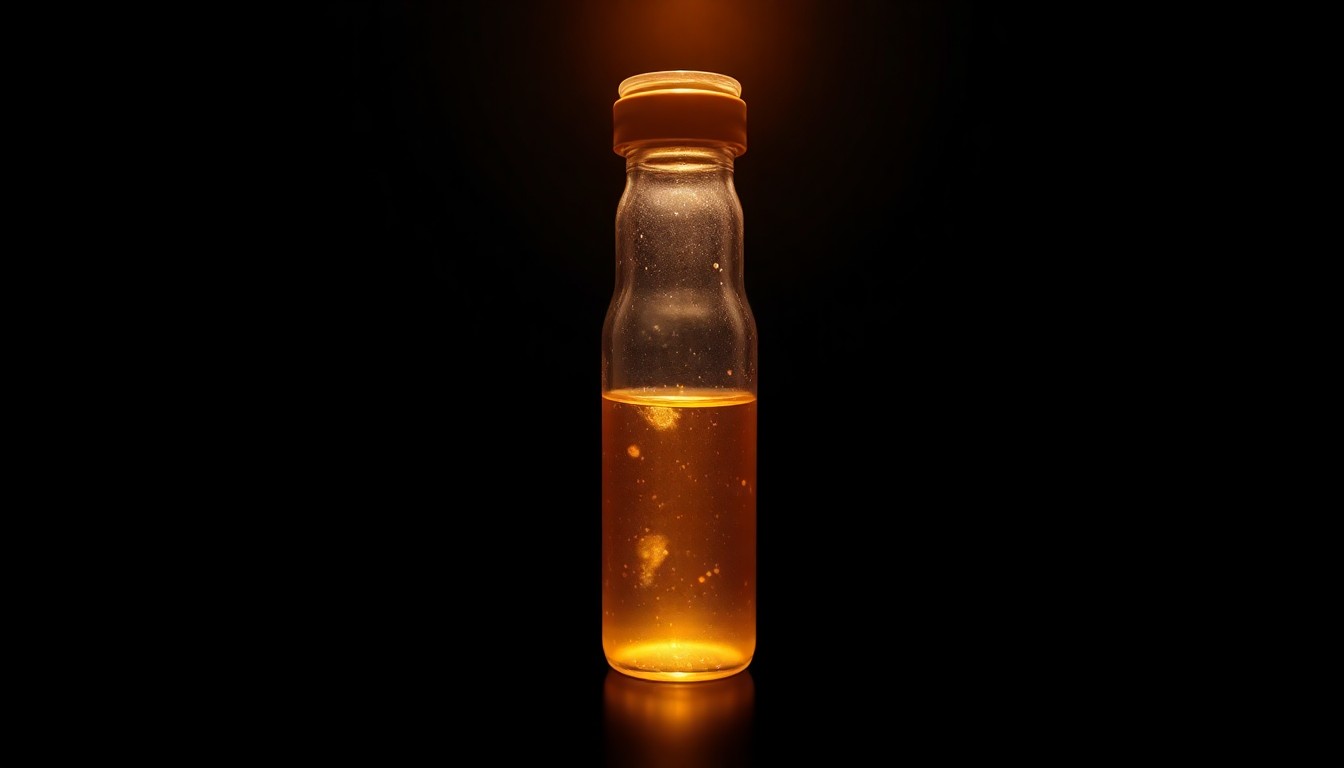 A chilling glimpse into the alleged clandestine biolab, where dangerous pathogens from China may have been harbored.Reedley Today
Federal agents have raided a warehouse in Reedley, California, uncovering what they believe to be a clandestine laboratory harboring dangerous pathogens imported from China. The facility was discovered after a municipal code enforcement officer noticed suspicious activity, leading to a larger investigation that revealed thousands of gallons of biological waste, freezers containing organic matter labeled as hazardous materials, and the presence of at least 20 potential infectious agents like dengue, hepatitis, and COVID-19. Authorities allege the lab was part of a scheme to sell mislabeled COVID-19 tests for profit, but some officials fear the facility may have been involved in more sinister bioweapons research that could escalate tensions between the U.S. and China.
Why it matters
The discovery of this suspected clandestine biolab raises serious national security concerns, as the presence of potentially deadly pathogens from China could pose a grave threat to public health if released. It also highlights the need for stronger federal oversight and regulation of high-containment laboratories to prevent such facilities from operating under the radar and potentially being used for nefarious purposes.
The details
According to reports, the investigation began when a municipal code enforcement officer in Reedley, California discovered suspicious activity at a supposedly vacant warehouse, including a garden hose coming from a hole in the wall and a fan blowing foul-smelling air. Upon entering the facility, the officer found numerous vials labeled with names of infectious diseases like malaria, COVID-19, and HIV, as well as thousands of dead laboratory mice. Local and federal authorities later raided the warehouse, uncovering 5,000 gallons of biological waste and 32 industrial-sized freezers containing organic matter labeled as "blood" and "Ebola". The Centers for Disease Control and Prevention determined that at least 20 potentially infectious bacterial and viral agents were present at the site.
- Over three years ago, a municipal code enforcement officer first discovered suspicious activity at the warehouse in Reedley, California.
- The FBI and other federal agencies conducted a raid on the facility in April 2026.
The players
Jesalyn Harper
A municipal code enforcement officer who first discovered the suspicious activity at the warehouse in Reedley, California.
Jia Bei Zhu
The Chinese national alleged to be the operator of the clandestine biolab facility in Reedley. He has been charged with manufacturing and distributing misbranded medical devices, wire fraud, conspiracy to commit wire fraud, and making false statements to the FDA, but denies any wrongdoing.
What they’re saying
“These labs would be used to sow not only disease, but also fear and panic among the American populace. Imagine the calamity we'd experience with outbreaks of various illnesses previously believed to be under control flaring up across the nation.”
— CIA Insider
“I realized I'm in trouble, and I need to get out of this building without tipping them off that I'm scared.”
— Jesalyn Harper, Municipal Code Enforcement Officer
What’s next
Congress is working to strengthen federal oversight of pathogen and high-containment laboratories to protect national security, in case the Reedley facility was involved in more sinister bioweapons research that could escalate tensions between the U.S. and China.
The takeaway
The discovery of this suspected clandestine biolab highlights the need for greater vigilance and tighter regulations around the handling and storage of dangerous pathogens, especially those that may be imported from other countries. Authorities must remain diligent in rooting out any similar facilities that could pose a threat to public health and national security.