- Today
- Holidays
- Birthdays
- Reminders
- Cities
- Atlanta
- Austin
- Baltimore
- Berwyn
- Beverly Hills
- Birmingham
- Boston
- Brooklyn
- Buffalo
- Charlotte
- Chicago
- Cincinnati
- Cleveland
- Columbus
- Dallas
- Denver
- Detroit
- Fort Worth
- Houston
- Indianapolis
- Knoxville
- Las Vegas
- Los Angeles
- Louisville
- Madison
- Memphis
- Miami
- Milwaukee
- Minneapolis
- Nashville
- New Orleans
- New York
- Omaha
- Orlando
- Philadelphia
- Phoenix
- Pittsburgh
- Portland
- Raleigh
- Richmond
- Rutherford
- Sacramento
- Salt Lake City
- San Antonio
- San Diego
- San Francisco
- San Jose
- Seattle
- Tampa
- Tucson
- Washington
Redwood City Today
By the People, for the People
Pheast Therapeutics Reports Early Clinical Promise for PHST001 at AACR 2026
Initial Phase 1a data show favorable safety profile and signs of anti-tumor activity for novel macrophage checkpoint inhibitor
Apr. 17, 2026 at 7:22pm
Got story updates? Submit your updates here. ›
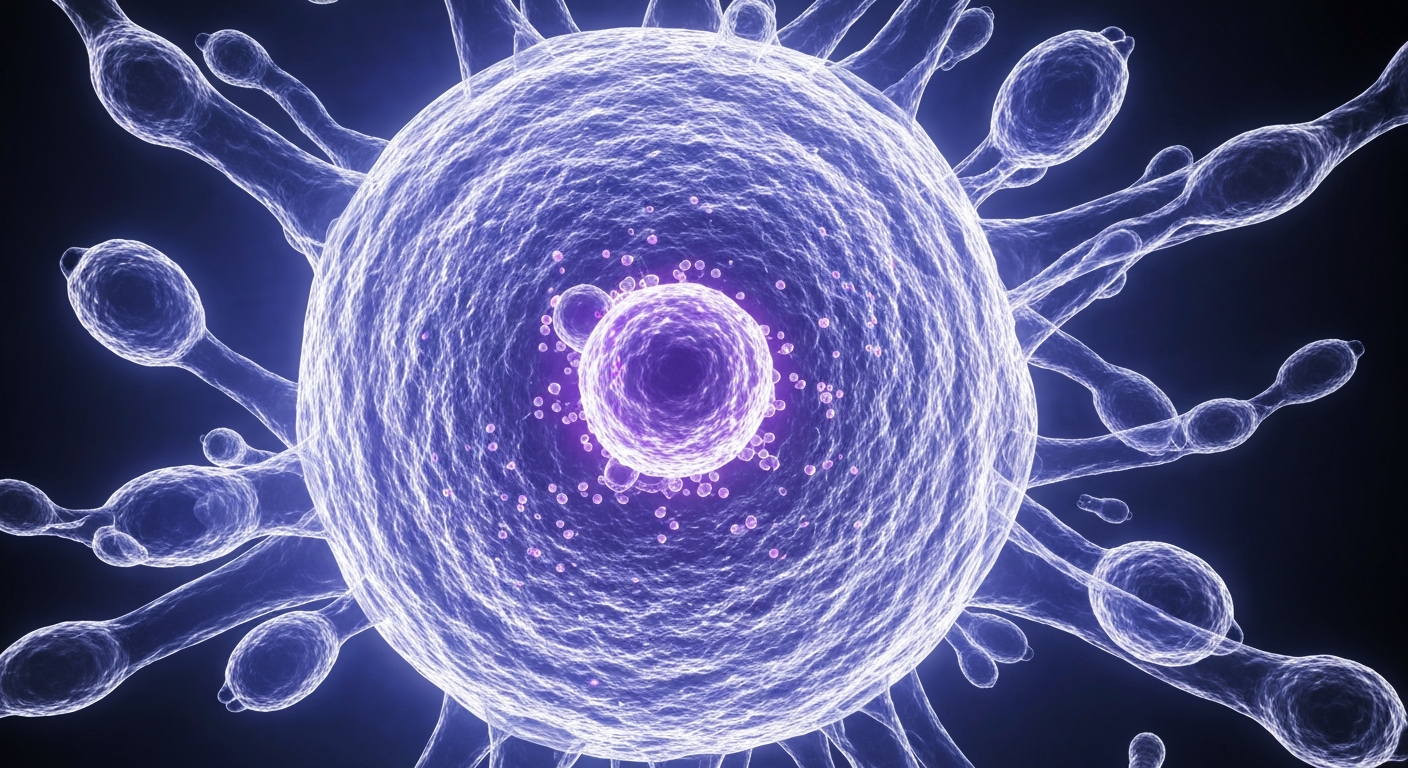 Pheast Therapeutics' PHST001 aims to activate macrophages and overcome immune suppression in the tumor microenvironment.Redwood City Today
Pheast Therapeutics, a clinical-stage biotech company, presented initial Phase 1a data and new preclinical findings for its anti-CD24 macrophage checkpoint inhibitor PHST001 at the American Association for Cancer Research (AACR) Annual Meeting 2026. The data highlighted PHST001's differentiated safety and pharmacologic profile, including target engagement, innate immune activation, and early signals of clinical activity in patients with advanced solid tumors.
Why it matters
Macrophage-directed immunotherapies represent a promising but challenging approach to cancer treatment. The data on PHST001 suggest it may overcome previous limitations by achieving the right balance of anti-tumor activity and tolerability, potentially making it an effective monotherapy or combination partner across multiple cancer types.
The details
In the ongoing Phase 1a study, PHST001 was generally well-tolerated, with mostly Grade 1-2 adverse events and manageable neutropenia. The data showed linear pharmacokinetics, increasing CD24 receptor occupancy at higher doses, and pharmacodynamic changes consistent with innate immune activation. Early signs of clinical activity were also observed, including disease stabilization and tumor shrinkage. Preclinical studies further demonstrated PHST001's ability to enhance macrophage-mediated tumor control, inhibit metastatic spread, and combine effectively with chemotherapies and antibody-drug conjugates.
- The AACR posters were presented on April 17, 2026.
- Pheast plans to present updated clinical data from the ongoing PHST001-101 study at a future medical meeting.
The players
Pheast Therapeutics
A clinical-stage biotechnology company advancing macrophage-directed immunotherapies for cancer.
Roy Maute, Ph.D.
CEO and Co-founder of Pheast Therapeutics.
Raphaël Rousseau, M.D., Ph.D.
Chief Medical Officer of Pheast Therapeutics.
Dr. Amira Barkal
Principal founder of Pheast and the researcher who identified CD24 as a novel macrophage checkpoint.
Dr. Irving Weissman, Dr. Ravi Majeti, and Dr. Roy Maute
Co-founders of Pheast whose research forms the basis for therapeutic strategies targeting CD24 to activate innate immune responses against cancer.
What they’re saying
“The data presented at AACR suggest that PHST001 may address a longstanding challenge in translating the therapeutic potential of macrophage biology into a cancer treatment with the right balance of activity and tolerability.”
— Roy Maute, Ph.D., CEO and Co-founder of Pheast Therapeutics
“Taken together, these clinical and preclinical findings begin to build the profile we are looking for in a macrophage checkpoint inhibitor: favorable tolerability, evidence of biological activity, and meaningful combination potential.”
— Raphaël Rousseau, M.D., Ph.D., Chief Medical Officer of Pheast Therapeutics
What’s next
Pheast plans to present updated clinical data from the ongoing PHST001-101 study at a future medical meeting.
The takeaway
Pheast's PHST001 represents a promising new approach to cancer immunotherapy by targeting the CD24 macrophage checkpoint, with early data suggesting it may overcome previous limitations in this therapeutic area and offer effective monotherapy or combination treatment options.