- Today
- Holidays
- Birthdays
- Reminders
- Cities
- Atlanta
- Austin
- Baltimore
- Berwyn
- Beverly Hills
- Birmingham
- Boston
- Brooklyn
- Buffalo
- Charlotte
- Chicago
- Cincinnati
- Cleveland
- Columbus
- Dallas
- Denver
- Detroit
- Fort Worth
- Houston
- Indianapolis
- Knoxville
- Las Vegas
- Los Angeles
- Louisville
- Madison
- Memphis
- Miami
- Milwaukee
- Minneapolis
- Nashville
- New Orleans
- New York
- Omaha
- Orlando
- Philadelphia
- Phoenix
- Pittsburgh
- Portland
- Raleigh
- Richmond
- Rutherford
- Sacramento
- Salt Lake City
- San Antonio
- San Diego
- San Francisco
- San Jose
- Seattle
- Tampa
- Tucson
- Washington
Placerville Today
By the People, for the People
Placerville Church Finds Way to Bridge Political Divide
Episcopal congregation learns to have difficult conversations while keeping community intact
Apr. 14, 2026 at 4:50am
Got story updates? Submit your updates here. ›
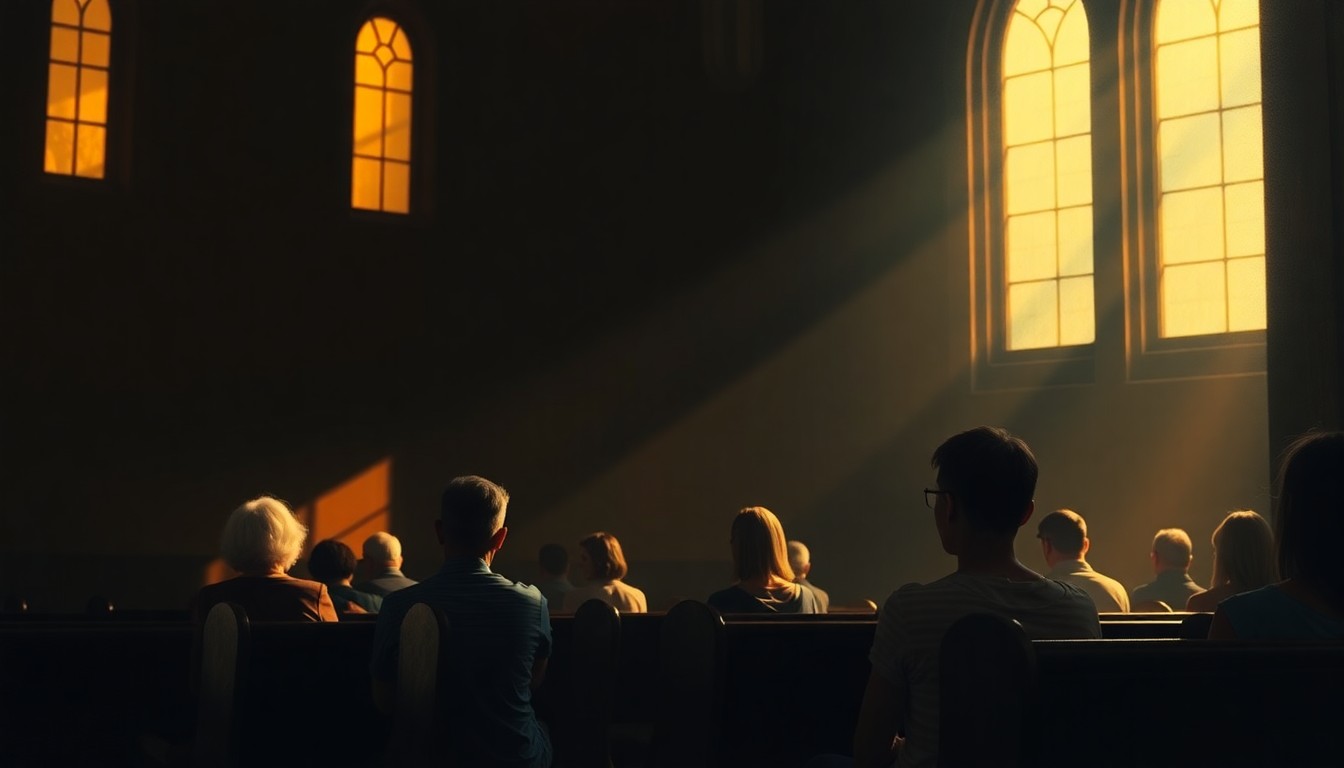 A congregation finds common ground through open and respectful dialogue, even across political divides.Placerville Today
The Episcopal church in Placerville, California, has managed to keep its congregation of roughly half conservative and half progressive members together through the pandemic and two bruising election cycles. Recently, the church's members decided they wanted to do more to bridge their political differences. They invited facilitator Ken Futernick to lead a workshop based on the 'Living Room Conversations' format, which teaches people to approach difficult conversations with curiosity rather than argument. The workshop gave the congregation tools and an assignment to have these conversations with friends and family outside the church setting.
Why it matters
As political divisions have torn apart faith communities across the country, the Placerville Episcopal church has managed to keep its diverse congregation united. This demonstrates that it is possible for people with differing political views to stay in relationship with each other, which is important for rebuilding trust and reducing polarization in a democracy.
The details
The workshop led by Ken Futernick began with a simple exercise where people shared what was most important to them, and the group realized that relationships with friends and family ranked highest. Futernick then explained the 'Living Room Conversations' approach, which encourages people to come to difficult conversations with a mindset of curiosity rather than argument. The congregation then practiced having these conversations through role-playing, with one woman named Dana Epstein calling a fictional 'Bob' to discuss immigration. The workshop gave the congregation an assignment to have similar conversations with friends or family outside the church before their next meeting.
- The Episcopal church in Placerville, California has kept its politically divided congregation together through the pandemic and two bruising election cycles.
- The congregation recently decided they wanted to do more to bridge their political differences.
- Ken Futernick led a workshop for the congregation based on the 'Living Room Conversations' format.
- The congregation was given an assignment to have conversations with friends or family outside the church before their next meeting in a month.
The players
Debra Sabino
The priest of the Episcopal church in Placerville, California who has managed to keep the politically divided congregation together.
Ken Futernick
The co-lead of Bridging Divides El Dorado who facilitated the workshop for the Placerville Episcopal church congregation based on the 'Living Room Conversations' format.
Dana Epstein
A member of the Placerville Episcopal church congregation who volunteered to role-play having a conversation about immigration with a fictional 'Bob' during the workshop.
What they’re saying
“If that's true for all of us, then it would seem to follow that we would want to avoid doing anything that would harm those relationships – like painfully unpleasant conversations about politics that sometimes lead to estrangement.”
— Ken Futernick, Co-lead of Bridging Divides El Dorado
“Being with one another in love isn't passive. It's a skill — and it can be learned. Watching people practice that conversation, and then applaud it, was one of the most tender moments I've seen in this ministry.”
— Debra Sabino, Priest of the Episcopal church
“It gave people permission — to stay curious, to stay connected, and to trust that their relationships are strong enough to hold honest conversation.”
— Debra Sabino, Priest of the Episcopal church
What’s next
The congregation will meet again in a month, where they will share how their conversations with friends and family went. Ken Futernick will also lead another role-playing exercise, this time around the dinner table, to practice having difficult political conversations in a way that strengthens relationships.
The takeaway
The Placerville Episcopal church's approach demonstrates that it is possible for people with differing political views to stay in relationship with each other, which is crucial for rebuilding trust and reducing polarization in a democracy. Their focus on practicing curiosity and keeping relationships central, rather than winning arguments, offers a model for how communities can bridge divides.