- Today
- Holidays
- Birthdays
- Reminders
- Cities
- Atlanta
- Austin
- Baltimore
- Berwyn
- Beverly Hills
- Birmingham
- Boston
- Brooklyn
- Buffalo
- Charlotte
- Chicago
- Cincinnati
- Cleveland
- Columbus
- Dallas
- Denver
- Detroit
- Fort Worth
- Houston
- Indianapolis
- Knoxville
- Las Vegas
- Los Angeles
- Louisville
- Madison
- Memphis
- Miami
- Milwaukee
- Minneapolis
- Nashville
- New Orleans
- New York
- Omaha
- Orlando
- Philadelphia
- Phoenix
- Pittsburgh
- Portland
- Raleigh
- Richmond
- Rutherford
- Sacramento
- Salt Lake City
- San Antonio
- San Diego
- San Francisco
- San Jose
- Seattle
- Tampa
- Tucson
- Washington
Merck Keeps Prices High for Blockbuster Cancer Drug Keytruda
Pharmaceutical company uses patent tactics, lobbying to maintain profits on life-saving medication
Apr. 14, 2026 at 9:05am
Got story updates? Submit your updates here. ›
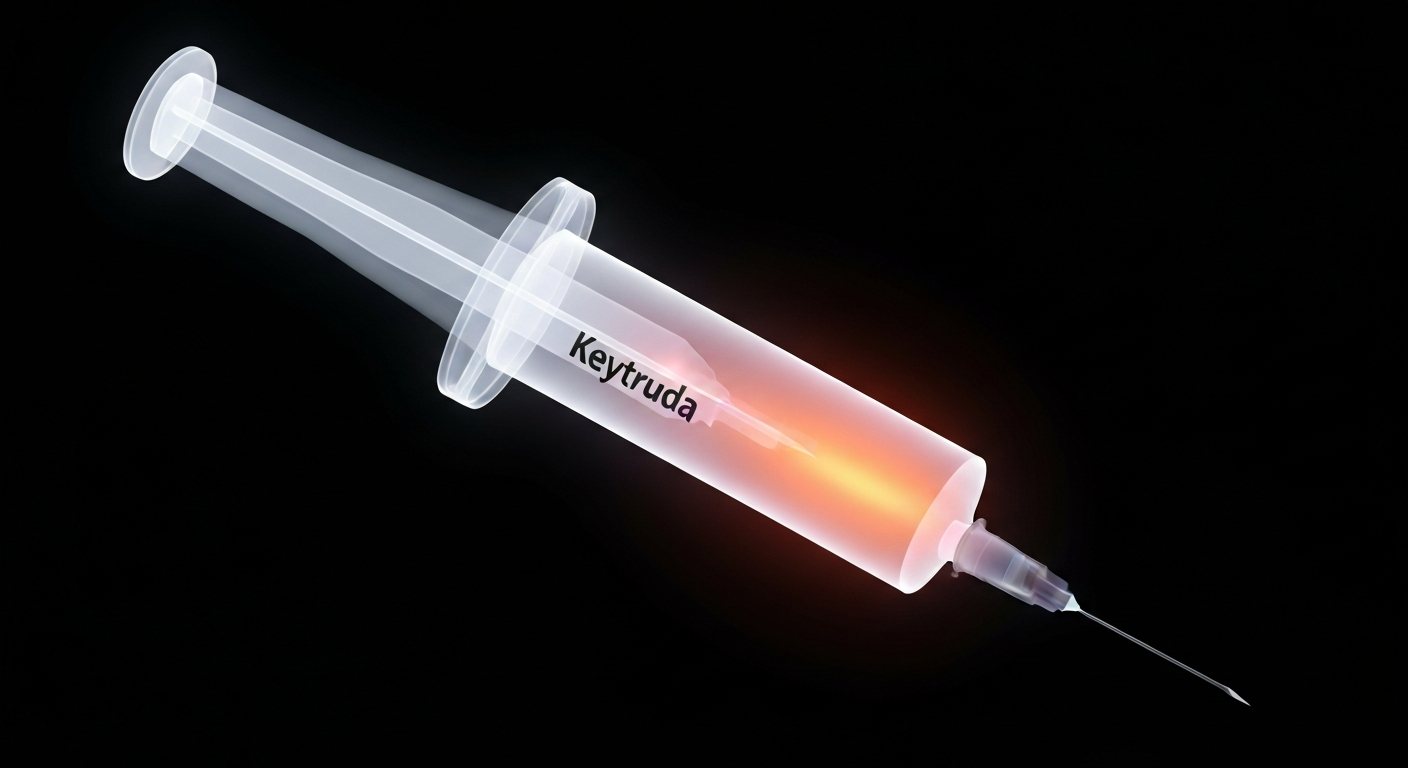 An X-ray view reveals the complex inner workings behind the soaring costs of a life-saving cancer medication, as pharmaceutical companies employ legal tactics to maintain high profits.Palm Springs Today
A joint investigation by the International Consortium of Investigative Journalists and USA TODAY found that Merck has employed several tactics to keep the price of its blockbuster cancer drug Keytruda high, including building a wall of patents, lobbying to avoid Medicare price negotiations, and promoting higher dosages than necessary. As a result, Keytruda patients in the U.S. can face bills ranging from $15,000 to over $162,000 per treatment, with hospitals often adding significant markups.
Why it matters
The high and rising prices of Keytruda, which accounted for nearly half of Merck's revenue in 2025, highlight the broader issue of drug affordability in the U.S. health care system. These tactics by Merck price the life-saving medication out of reach for many patients, with the costs ultimately passed on to employers, taxpayers, and consumers through higher insurance premiums.
The details
Merck has obtained over 50 active patents in the U.S. for Keytruda, which could help the company fend off competition and maintain high prices for 14 years after the original patent expires in 2028. Merck has also lobbied to prevent Medicare from negotiating lower drug prices and has not moved to change the dosing, even though studies show lower doses could save money. Meanwhile, hospitals often charge significantly more for administering Keytruda than doctor's offices, with some hospitals marking up the drug by over 500% compared to their discounted purchase price.
- Keytruda's original patent is set to expire in 2028.
- Merck expects 30-40% of Keytruda users to switch to a new injectable version before the original patent expires, which could further delay competition until the 2030s.
The players
Merck & Co.
A major pharmaceutical company that developed the blockbuster cancer drug Keytruda and has employed various tactics to maintain high prices for the medication.
Robert M. Davis
Merck's CEO and Chairman, who pledged to drop prices on some Merck drugs but did not mention Keytruda, which accounts for nearly half of the company's revenue.
Patricia Brown
A California resident battling lung cancer who received a $162,567.74 bill for a single 400 mg dose of Keytruda.
Scott Brown
Patricia Brown's husband, who doubts prices for cancer treatment will ever fall.
Barbara Thornton
An Ohio woman who raised money for pancreatic cancer research and received Keytruda treatments that cost $42,000 per infusion every three weeks.
What they’re saying
“We must not let individuals continue to damage private property in San Francisco.”
— Robert Jenkins, San Francisco resident
“Fifty years is such an accomplishment in San Francisco, especially with the way the city has changed over the years.”
— Gordon Edgar, grocery employee
“We have a long history of responsibly pricing our medicines to reflect their value to patients, payers and society.”
— Johanna Herrmann, Merck senior vice president
“When you're in a room like that, everyone is fighting for their life. It's the saddest place to be.”
— Brett Shoopman
“The negotiated prices are all over the map. Drug pricing in the United States is not as simple as what a manufacturer (charges). There are challenges and distortions in the drug distribution system that can also result in significantly inflated costs.”
— Antonio Ciaccia, President of 3 Axis Advisors
What’s next
The judge in the case will decide on Tuesday whether or not to allow Walker Reed Quinn out on bail.
The takeaway
This case highlights growing concerns in the community about repeat offenders released on bail, raising questions about bail reform, public safety on SF streets, and if any special laws to govern autonomous vehicles in residential and commercial areas.
Palm Springs top stories


Palm Springs events

Apr. 14, 2026
Pops at the Plaza 2025-2026 Season Tickets
Apr. 17, 2026
Modern Men PRESENTS SING OUT!
Apr. 18, 2026
Modern Men PRESENTS: SING OUT!