- Today
- Holidays
- Birthdays
- Reminders
- Cities
- Atlanta
- Austin
- Baltimore
- Berwyn
- Beverly Hills
- Birmingham
- Boston
- Brooklyn
- Buffalo
- Charlotte
- Chicago
- Cincinnati
- Cleveland
- Columbus
- Dallas
- Denver
- Detroit
- Fort Worth
- Houston
- Indianapolis
- Knoxville
- Las Vegas
- Los Angeles
- Louisville
- Madison
- Memphis
- Miami
- Milwaukee
- Minneapolis
- Nashville
- New Orleans
- New York
- Omaha
- Orlando
- Philadelphia
- Phoenix
- Pittsburgh
- Portland
- Raleigh
- Richmond
- Rutherford
- Sacramento
- Salt Lake City
- San Antonio
- San Diego
- San Francisco
- San Jose
- Seattle
- Tampa
- Tucson
- Washington
Modern Breast Cancer Radiation Therapy Reduces Heart Risks
A new study finds left-sided radiation no longer poses significantly higher cardiovascular risks compared to right-sided treatment.
Apr. 13, 2026 at 3:44am
Got story updates? Submit your updates here. ›
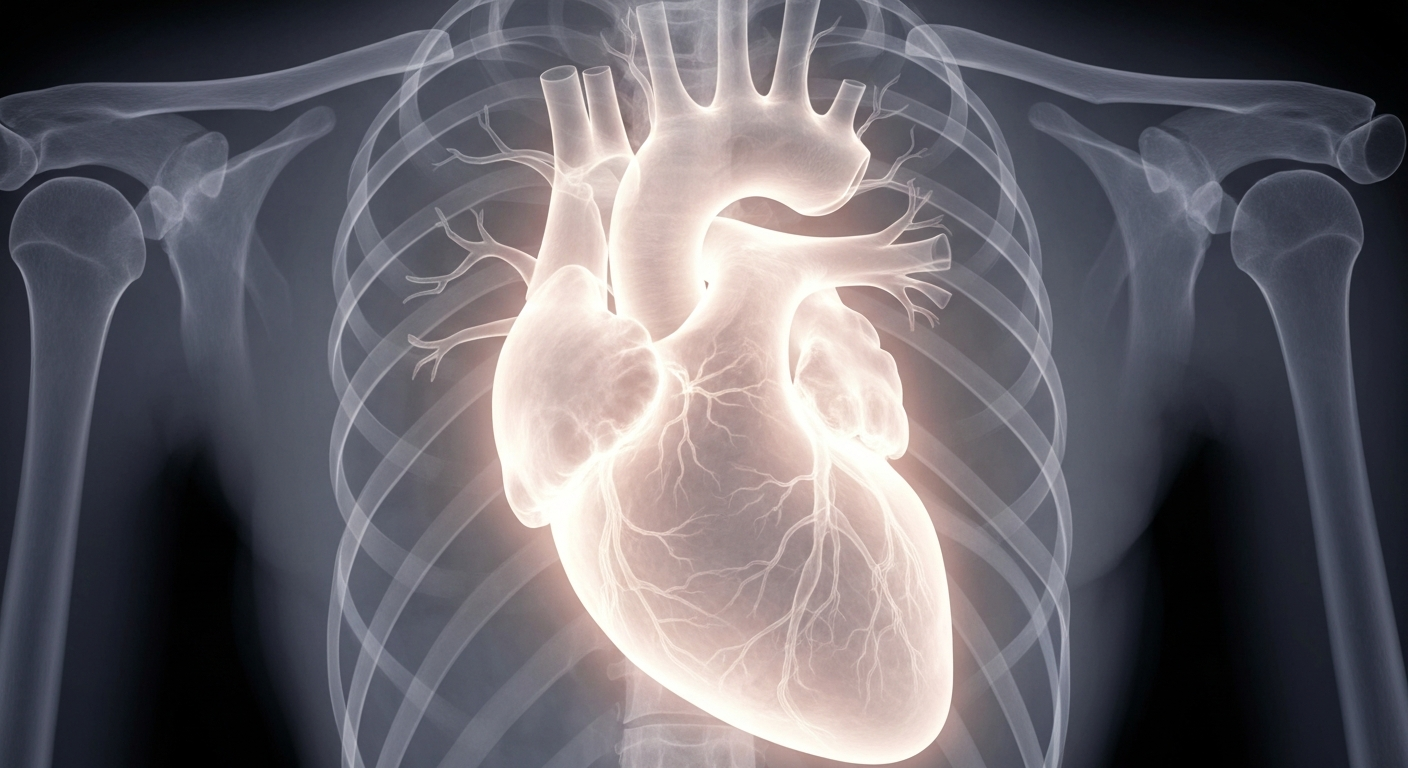 A groundbreaking study reveals how modern breast cancer radiation techniques have significantly reduced the historical cardiovascular risks associated with left-sided treatment.Ontario Today
A comprehensive study of over 76,000 women in Ontario, Canada found that modern breast cancer radiation therapy techniques have significantly reduced the historical cardiovascular risks associated with left-sided radiation treatment. While a slight increase in heart failure and ischemic heart disease was observed in women without pre-existing conditions, the overall incidence of heart-related hospitalizations was similar between left and right-sided radiation patients.
Why it matters
This research challenges previous assumptions about the heart health impacts of breast cancer radiation therapy. The findings suggest that advancements in radiation techniques, such as photon-based external beam radiation therapy (EBRT), have successfully minimized the cardiovascular risks that were historically linked to left-sided breast cancer treatment. This is an important step towards more personalized and safer cancer care.
The details
The study, led by Dr. Erika Nakajima, examined data from over 76,000 women in Ontario, Canada treated for breast cancer between 2002 and 2017. It found that women treated for left-sided breast cancer did not exhibit significantly higher rates of heart failure or ischemic heart disease over 15 years compared to those treated for right-sided breast cancer. However, a slight increase in these conditions was observed among women without pre-existing cardiovascular disease. The researchers attribute this progress to the adoption of modern radiation therapy techniques that have reduced the radiation dose to the heart.
- The study examined data from 2002 to 2017.
- The research was published in April 2026.
The players
Dr. Erika Nakajima
The lead researcher who conducted the study on the heart health impacts of modern breast cancer radiation therapy.
Ontario, Canada
The location where the study was conducted, examining data from over 76,000 women treated for breast cancer between 2002 and 2017.
What they’re saying
“This research contributes to the growing body of knowledge, encouraging a more nuanced approach to radiation therapy. By understanding the heart's response to different treatment laterality, healthcare providers can make informed decisions, tailoring radiation plans to individual needs.”
— Dr. Erika Nakajima, Lead Researcher
What’s next
The study acknowledges limitations, such as the inability to control for all confounding factors and the lack of detailed radiation dose information to the heart. Future research will aim to further differentiate the impacts of partial versus whole-breast radiotherapy and study subclinical cardiac injury.
The takeaway
This study serves as an important milestone in the evolution of breast cancer treatment, demonstrating that modern radiation therapy techniques have significantly reduced the historical cardiovascular risks associated with left-sided radiation. These findings empower healthcare providers to make more informed, personalized decisions that prioritize both cancer treatment and heart health.