- Today
- Holidays
- Birthdays
- Reminders
- Cities
- Atlanta
- Austin
- Baltimore
- Berwyn
- Beverly Hills
- Birmingham
- Boston
- Brooklyn
- Buffalo
- Charlotte
- Chicago
- Cincinnati
- Cleveland
- Columbus
- Dallas
- Denver
- Detroit
- Fort Worth
- Houston
- Indianapolis
- Knoxville
- Las Vegas
- Los Angeles
- Louisville
- Madison
- Memphis
- Miami
- Milwaukee
- Minneapolis
- Nashville
- New Orleans
- New York
- Omaha
- Orlando
- Philadelphia
- Phoenix
- Pittsburgh
- Portland
- Raleigh
- Richmond
- Rutherford
- Sacramento
- Salt Lake City
- San Antonio
- San Diego
- San Francisco
- San Jose
- Seattle
- Tampa
- Tucson
- Washington
Napa Wineries Cater to Families to Boost Visitor Numbers
Established Napa Valley wineries are adding family-friendly amenities to attract more visitors as consumer habits evolve.
Apr. 16, 2026 at 1:20am
Got story updates? Submit your updates here. ›
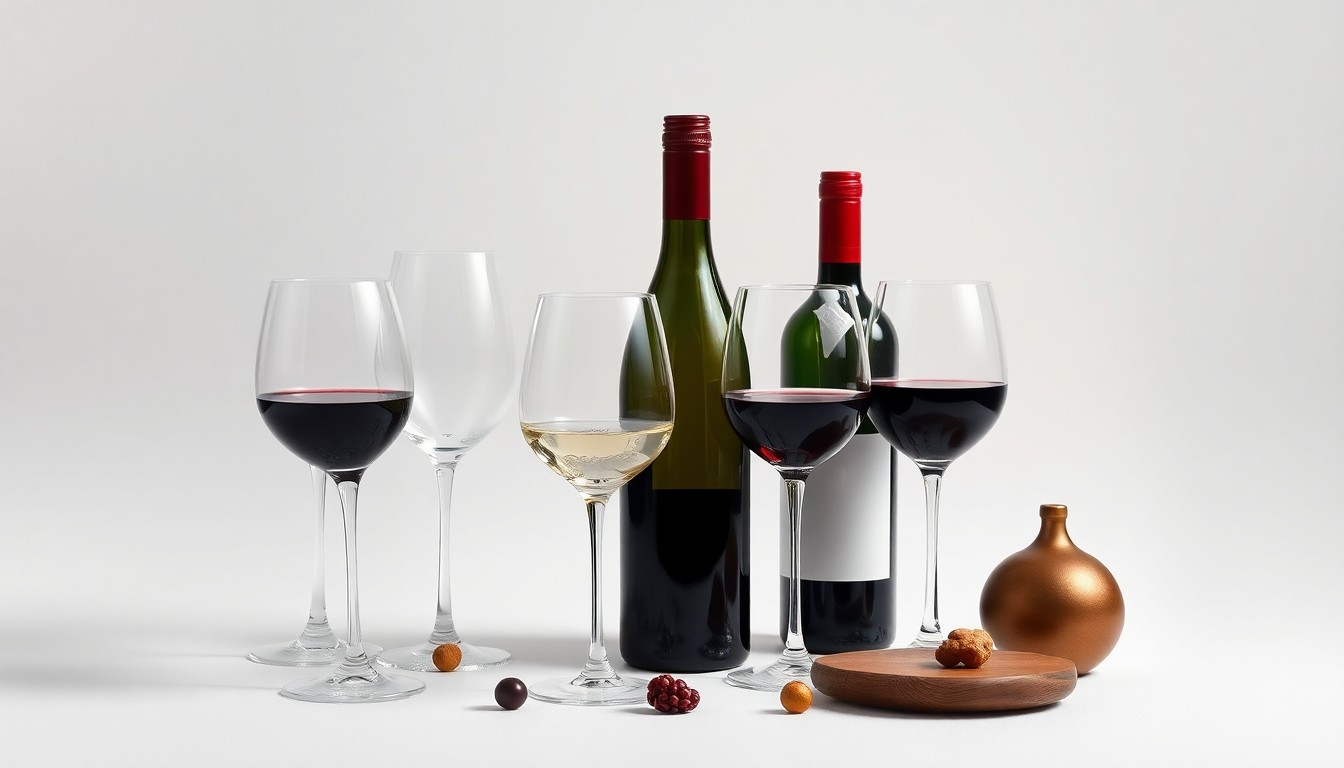 As Napa wineries adapt to declining visitor numbers, a new focus on family-friendly experiences aims to broaden the region's appeal.Napa Today
As Napa Valley wineries face declining visitor numbers and changing consumer preferences, some of the region's most prominent wineries are increasingly targeting families with children in an effort to sustain traffic and revenue. More than 90 Napa wineries now permit children in tasting areas, a significant shift from long-standing norms that traditionally limited access to adults.
Why it matters
The move by Napa wineries to welcome families with children reflects the broader challenges facing the region's wine industry. With younger Americans consuming less alcohol overall, traditional tasting-room models are under pressure. By adapting to cater to families, Napa's elite wineries are attempting to broaden their appeal and boost visitor numbers to sustain their businesses.
The details
Wineries like Grgich Hills Estate, Bouchaine Vineyards, Charles Krug Winery, PlumpJack Estate Winery, Priest Ranch, and Wente Family Vineyards have all introduced family-friendly amenities and programming. This includes adding picnic areas, nonalcoholic beverages, open spaces for children, books, activities, and even seasonal events like movie nights. Executives at Grgich Hills Estate say families with children now make up more than 20% of their annual visitors, a share they describe as unthinkable just a decade ago.
- In recent years, the share of U.S. adults who drink has fallen from 62% in 2023 to 54% in 2025, according to Gallup.
- Drinking rates among adults aged 18 to 34 have dropped from roughly 72% two decades ago to between 50% and 62% in recent years.
The players
Grgich Hills Estate
A Napa Valley winery that has seen families with children make up more than 20% of its annual visitors, a significant increase from just a decade ago.
Bouchaine Vineyards
A Napa Valley winery that has added picnic areas with nonalcoholic beverages and open space for children to cater to family visitors.
Charles Krug Winery
A Napa Valley winery that is leaning into a more casual experience with food, games, and relaxed outdoor seating to appeal to families.
PlumpJack Estate Winery
A Napa Valley winery that has introduced books and activities for younger visitors to attract family visitors.
Priest Ranch
A Napa Valley winery that is expanding family-focused programming, including seasonal events such as movie nights and holiday activities.
What they’re saying
“Because we grew up with wine as part of our family, we feel very much that we want to share that culture with everyone who comes. There are many wineries that won't let anyone under 21 [in], but we feel there's so much more to visiting a winery than just drinking wine. It's also about farming, and because of that, it's entertaining for children as well.”
— Violet Grgich, President and CEO of Grgich Hills Estate
What’s next
As Napa wineries continue to adapt their business models to attract more family visitors, it will be important to monitor whether these efforts are successful in boosting overall visitor numbers and revenue in the long term.
The takeaway
Napa Valley's iconic wineries are embracing a new era of family-friendly experiences, recognizing the need to evolve their offerings to cater to changing consumer preferences and sustain their businesses in the face of declining alcohol consumption among younger generations.