- Today
- Holidays
- Birthdays
- Reminders
- Cities
- Atlanta
- Austin
- Baltimore
- Berwyn
- Beverly Hills
- Birmingham
- Boston
- Brooklyn
- Buffalo
- Charlotte
- Chicago
- Cincinnati
- Cleveland
- Columbus
- Dallas
- Denver
- Detroit
- Fort Worth
- Houston
- Indianapolis
- Knoxville
- Las Vegas
- Los Angeles
- Louisville
- Madison
- Memphis
- Miami
- Milwaukee
- Minneapolis
- Nashville
- New Orleans
- New York
- Omaha
- Orlando
- Philadelphia
- Phoenix
- Pittsburgh
- Portland
- Raleigh
- Richmond
- Rutherford
- Sacramento
- Salt Lake City
- San Antonio
- San Diego
- San Francisco
- San Jose
- Seattle
- Tampa
- Tucson
- Washington
Meta Building Photorealistic AI Clone of Zuckerberg
The dystopian effort is part of a broader push to create avatars based on public figures that customers can interact with in real time.
Apr. 13, 2026 at 6:04pm
Got story updates? Submit your updates here. ›
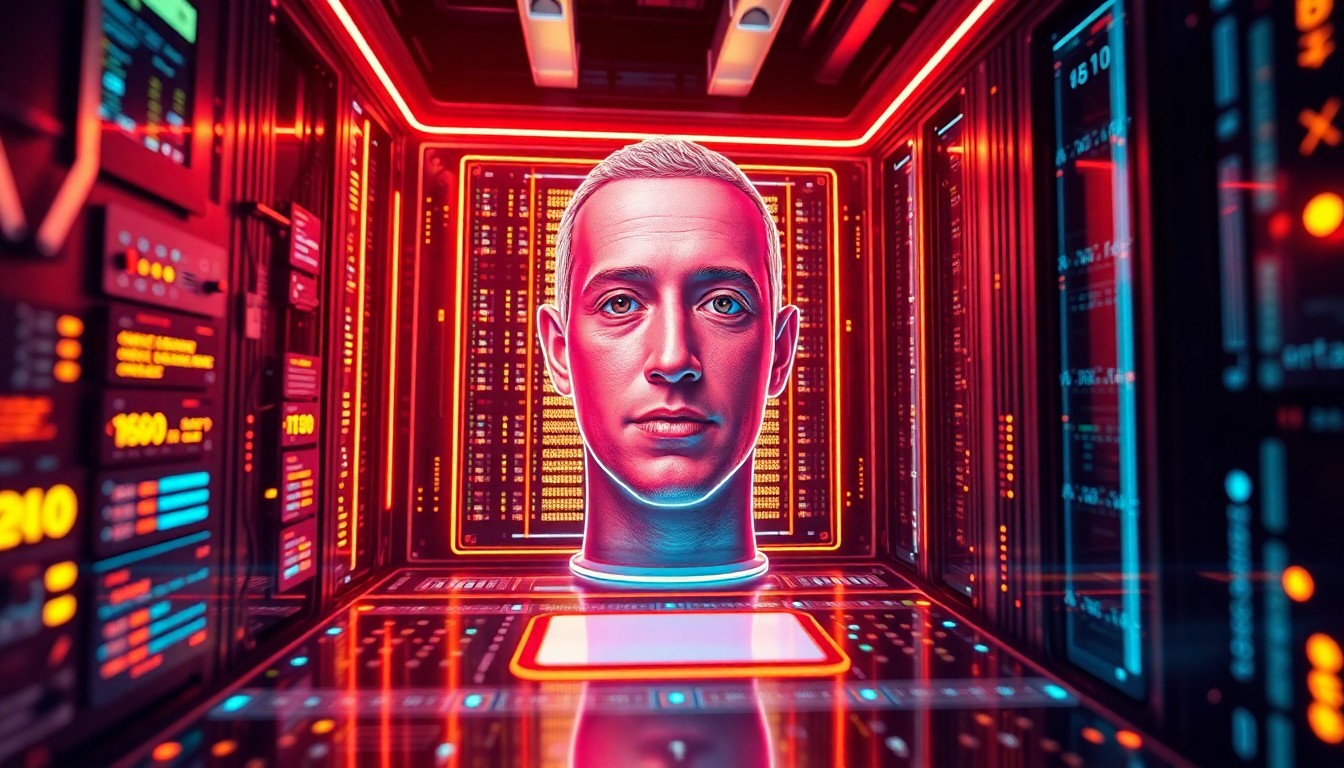 As Meta pushes the boundaries of AI-powered avatars, the company's ambitious plans to create a photorealistic digital clone of its CEO raise concerns about employee surveillance and the ethical challenges of such advanced technology.Menlo Park Today
Meta CEO Mark Zuckerberg is using AI to develop a 'photorealistic, AI-powered 3D' version of himself that can interact with staffers, according to a report from the Financial Times. The effort is part of a broader push by Meta to create avatars based on public figures that customers can interact with in real time, though previous attempts have struggled to catch on with the public.
Why it matters
This move by Meta raises concerns over privacy, access to sexualized AI avatars, and the potential strain on computing resources. It also highlights Meta's desperate push to stay relevant in the ongoing AI race, even as the company faces layoffs and struggles with the performance of its own AI models.
The details
The faux Zuckerberg AI will be trained on a wealth of imagery of the executive and his voice, with Zuckerberg personally overseeing the effort and spending 5-10 hours a week 'vibe coding.' Staffers are also working on a separate project to develop a 'CEO agent' that allows employees to retrieve information more quickly. Previous attempts by Meta to recreate public figures using AI have fallen flat, with the company shutting down a chatbot project less than a year after launching it due to bad press and questionable claims made by the chatbots.
- In October 2023, Meta announced it was paying celebrities millions to turn them into chatbots.
- Less than a year later, Meta decided to shut down the chatbot project.
- Eyebrow-raising comments from the chatbots continued well into 2025.
The players
Mark Zuckerberg
The CEO of Meta, who is personally overseeing the development of a photorealistic AI clone of himself to interact with employees.
Meta
The technology company formerly known as Facebook, which is developing the photorealistic AI clone of Zuckerberg and other avatar-based projects as part of a broader push to stay relevant in the AI race.
What they’re saying
“Meta can get more done by 'investing in AI-native tooling,' while 'elevating individual contributors and flattening teams.'”
— Mark Zuckerberg, CEO, Meta
What’s next
The development of the photorealistic Zuckerberg AI clone is ongoing, and it remains to be seen how the technology will be implemented and received by Meta employees. The company's broader push to create avatar-based experiences for customers also continues, despite previous failures in this area.
The takeaway
Meta's efforts to develop a photorealistic AI clone of its CEO Mark Zuckerberg highlight the company's desperate push to stay relevant in the AI race, even as it faces layoffs and struggles with the performance of its own AI models. This move raises concerns over privacy, access to sexualized AI avatars, and the potential strain on computing resources, as well as the broader implications of using AI to create digital replicas of public figures.
Menlo Park top stories



Menlo Park events
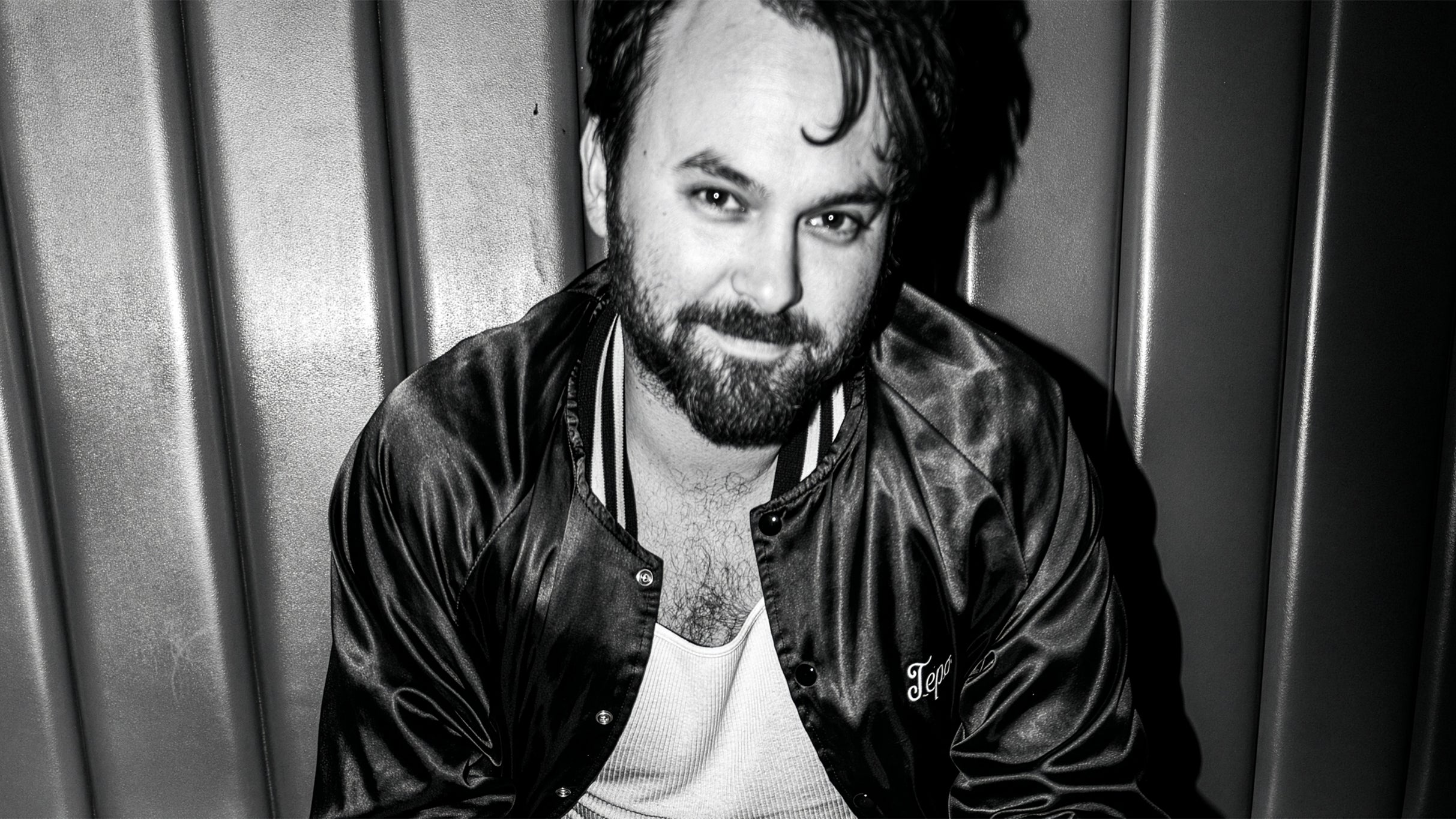
Apr. 22, 2026
Shakey Graves